Moody's sees Oman banks stable
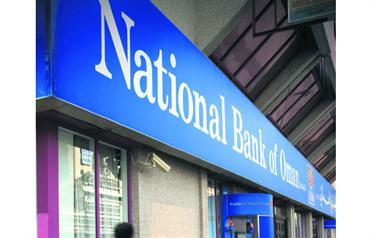
Oman's banking system would be stable over the next 18 months despite a likely rise in provisions and slower credit growth, ratings agency Moody's Investor Services said yesterday.
"Moody's believes that the more challenging credit environment will lead to lower volume growth and higher loan loss and other provisioning," said Christos Theofilou, a Moody's analyst, in a report.
"This should not lead to adverse pressure on Omani banks' ratings, unless it results in a substantial weakening of franchises."
The depressed economic climate will lead to lower credit growth at banks, Moody's said, while credit risk will rise and profitability will come under pressure from stiffer competition and lower interest rates.
But Oman's diversification strategy would create growth opportunities for banks, and the economy's relative isolation from the worst effects of the global crisis is also supportive of banks, it said.
Lenders also have adequate capitalisation, which is a buffer against future unforeseen losses, it added.
"The system's stable outlook reflects the resilience and continued growth of the Omani non-oil economy, the still adequate domestic liquidity in the banking sector and the strong financial ratios of Omani banks," said Elena Panayiotou, a Moody's lead analyst.
The non-Opec oil exporter is still heavily dependent on its oil sector, which accounted for 41.5 per cent of gross domestic product in 2007. The sultanate has said it aims to reduce this to nine per cent by 2020.
In the first quarter of 2009, nominal GDP fell 20 per cent year-on-year as plunging demand sent oil prices tumbling and state revenues shrank.
Oman June M2 growth slows, foreign assets fall
Omani money supply growth slowed for an eighth month to 8.2 per cent in June, and the central bank's foreign assets slipped month-on-month, official figures showed yesterday.
Money supply measured as M2 stood at RO7.6 billion (Dh72.5bn) on June 31, compared with RO7.02bn a year earlier, according to central bank figures.
That marked the slowest pace of annual money supply growth since May 2005. Money supply includes time and savings deposits, margins and foreign currency.
The central bank said its foreign assets declined 4.1 per cent in June to RO3.98bn from the month earlier.
Foreign assets fell 0.25 per cent compared to a year earlier.
Keep up with the latest business news from the region with the Emirates Business 24|7 daily newsletter. To subscribe to the newsletter, please click here.