Banned, exotic animals prowling UAE websites
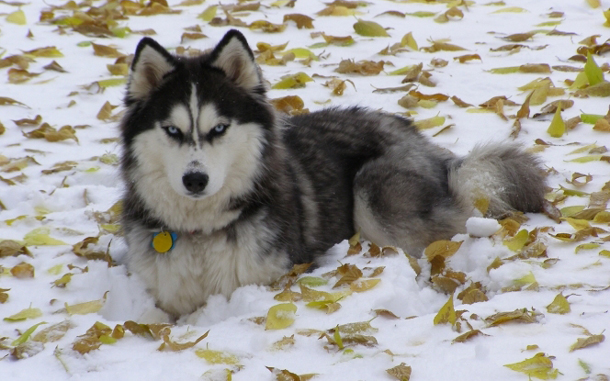
Despite a law that has been in effect for nearly three years now, banned household pets and exotic animals are still prowling UAE’s e-commerce websites, with Siberian Huskies and Cheetah cubs emerging as the most sought after companions.
The blue-eyed husky, which is native to the northern hemisphere and one of the 16 banned breeds of dogs in the UAE, is still demanding Dh7,000 for a puppy in Ajman.
The website, Olx.ae, has an advertisement posted on August 4, that is selling six such puppies, each for the aforementioned price.
A similar post sprung up yesterday on the same website, but no price had been listed.
Meanwhile, Expatads.com went a step further, offering “loving and sociable” four-week-old cheetah cubs to a caring home where they can be spoilt with affection. No price was listed on the site, but according to sources, such cubs retail anywhere between Dh10,000 and Dh30,000, with the main clientele being Arabs.
Price is right
Pretending to be a potential buyer, Emirates 24|7.com contacted a seller through an online post to acquire a Siberian Husky, which was being retailed at Dh5,000.
The seller, who went by the name of Nabeel, said: “I have four puppies available, all two months old. You want blue or golden eyes?”
When this reporter opted for the blue-eyed husky, the price shot up another Dh2,000. Outraged by this price hike, Nabeel immediately put forth other valuable options, saying: “I also have pit bulls, a one-year-old Doberman and a rare white German shepherd that costs Dh7,000.”
Considering two out of the three breeds of dogs mentioned were on the UAE banned list, we pointed out the obvious, only to have the seller laugh and say: “You bring these dogs from outside, you get banned. I breed my own dogs in Ajman. I have no problem. I will even get you the official municipality papers for an extra Dh150. You want or not?”
A taste of exotica?
Three mouse clicks later, Uaeinsider.com’s “lovely cheetah cubs” were not only being offered with medical papers proving their history of vaccinations, but the animals have also been declawed and potty-trained for your convenience.
When contacted, the seller asked us who gave us his reference and then hung up on us soon after. All corresponding calls went answered.
A source told Emirates 24|7: “Cheetahs and wild cats are very popular in farmhouses in Ras Al Khaimah and Umm Al Quwain. Its almost a status symbol for many Arabs.”
Quizzed if the municipality approves their health certificates, and the source said: “Either you have waasta (influence) and get the job done, or you forge the papers with the help of the local veterinarian, who issues a fake passport for the animal and instead of tagging it as a cheetah, tags it as a Persian cat. Once the papers are handed over to authorities, they don’t go door to door and check on the identity of each animal.”
No statement from Dubai Municipality was forthcoming after repeated calls and questions sent via email.