Dubai among top 5 in the world for economic opportunities; Abu Dhabi rises among the fastest-growing cities
The emirate recorded a remarkable performance in the Social Capital Index, with a full score in security and safety
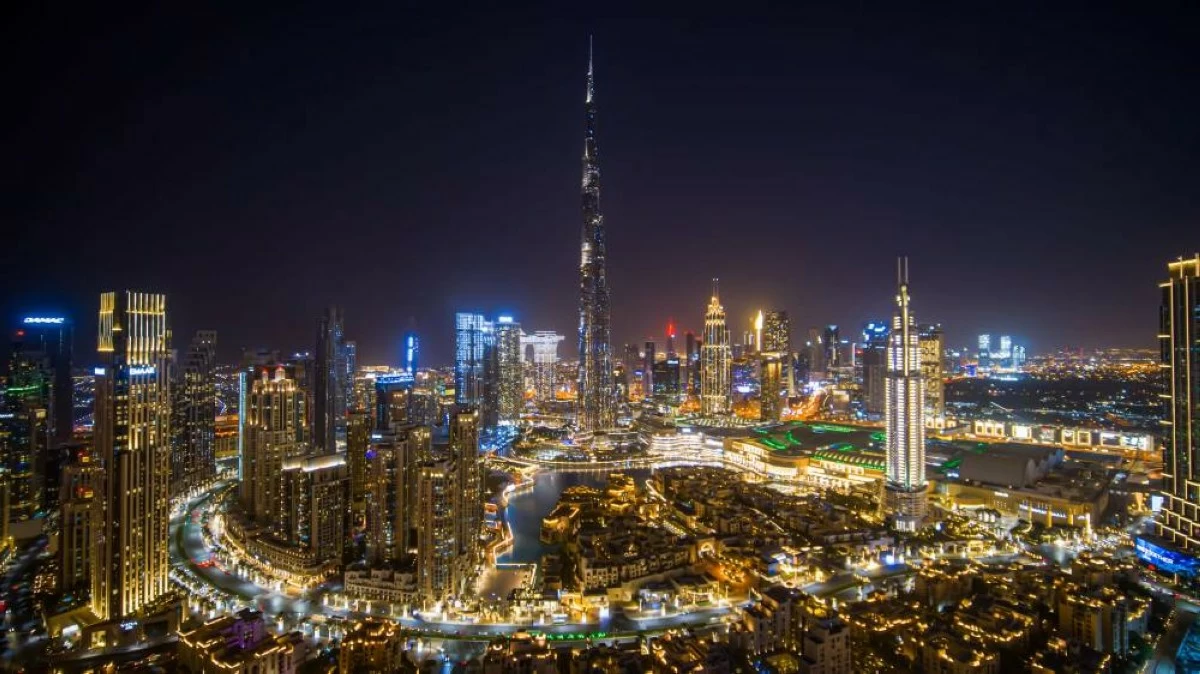
Dubai and Abu Dhabi have strengthened their position on the map of the world's most attractive cities for business and investment, according to the "Cities of Choice 4.0" report by Boston Consulting, which showed the rapid progress of Middle Eastern cities in urban competitiveness indicators compared to many traditional global hubs.
According to the report, which included 80 cities around the world, Dubai entered the list of the top 10 cities globally in the Economic Opportunity Index, after ranking fifth with 77 points, ahead of prominent global cities such as Amsterdam, Frankfurt, and San Francisco.
The report explained that Dubai has succeeded in consolidating its position as one of the most prominent global economic hubs thanks to the strength of the business environment, the diversity of job and income opportunities, and easy access to finance, to become the only Arab city in the top five positions globally in this index.
In the Quality of Life Index, Dubai was ranked among the top 20 cities globally, occupying 18th place with 61 points, supported by strong performance in the areas of education and development, institutional resilience and emergency preparedness. It was also ranked as the second best city in the world in terms of resilience and crisis resilience, after Washington.
The emirate recorded a remarkable performance in the Social Capital Index, with a full score in security and safety (100 points), in addition to high levels of community cohesion and trust among the population.
Dubai also continued to enhance its excellence in government digital transformation, ranking ninth globally in the Interaction with Governments Index with 72 points, benefiting from the expansion of digital services and the efficiency of the government system, at a time when the report pointed to a growing convergence between Middle Eastern cities and advanced Western cities in this field.
In terms of quality rankings, Dubai came in second place in the "Established Global Positions" category, just behind Berlin, ahead of major cities such as Washington and San Francisco, driven by the strength of its economic performance and the efficiency of its government services.
On the other hand, Abu Dhabi continued to strengthen its presence among the world's fastest-growing cities, ranking 14th in the "Speed of Change" index with 73 points, ahead of a number of major urban centers.
The report attributed this performance to the continuous improvement in the indicators of economic opportunities, quality of life, government services and social capital, reflecting the development momentum witnessed by the emirate and its continuous efforts to enhance its global competitiveness.
Abu Dhabi was also ranked 11th in the category of global prosperous cities, with strong results in community confidence and rapid development, enhancing its chances of continuing to advance in international rankings in the coming years.
In indicators related to the tourism economy, the report ranked Dubai as the world's highest city in terms of visitor spending, and placed it alongside Tokyo among the cities that benefited the most from the growing phenomenon of combining business trips with leisure and tourism. Dubai and Abu Dhabi also topped the list of cities with the most residents spending the most time on leisure activities, reflecting the quality of the urban environment and the diversity of living options.
The report was based on a survey of more than 25,000 participants in 83 cities around the world, where cities were assessed according to five main axes, including economic opportunities, quality of life, social capital, interaction with governments, and the speed of change and development, in addition to a wide range of sub-indicators related to the business environment, employment and income opportunities, security and safety, education, healthcare, government services, and the ability to adapt to future economic and technological transformations.