Dubai aviation sector gears up for next phase of growth
Emirates, flydubai and Dubai Airports boost capacity, fleets and network plans amid strong travel demand
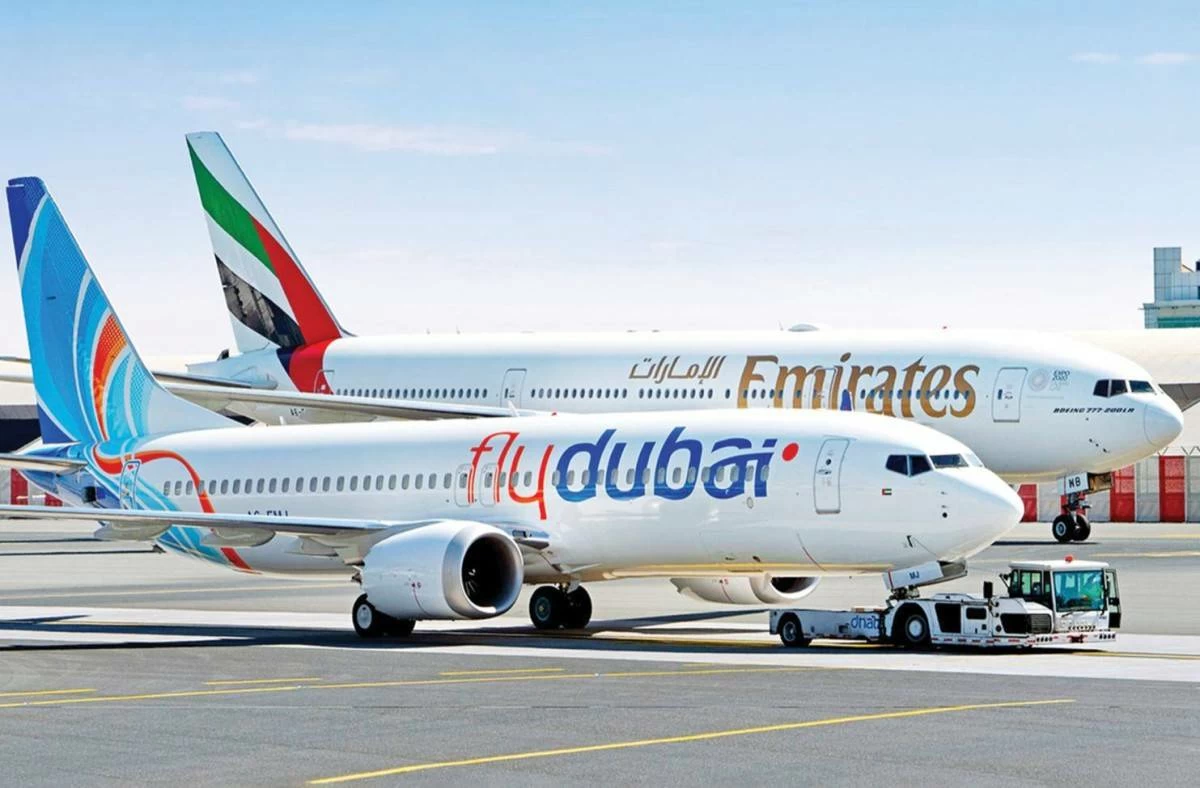
Dubai: Dubai's aviation sector is entering a new phase marked by the restoration of traffic and operational capacity and the resumption of ambitious growth and expansion plans, following a period of regional disruption that affected air travel during much of this year.
Indicators announced during the Arabian Travel Market (ATM) suggest that both Emirates and flydubai are now treating the current period as the start of a new growth cycle, driven by stronger demand, the recovery of air traffic, fleet expansion and the revival of key markets and destinations.
Emirates is currently operating at around 93% of its pre-disruption capacity, having carried more than 8.6 million passengers during July and August. The airline has also reported strong booking indicators for the upcoming winter season across several major markets.
Flydubai has likewise signalled a move from recovery to expansion, saying it expects to return to full operational capacity by the end of the year and potentially exceed pre-disruption levels, supported by the arrival of new aircraft. The carrier is currently operating at about 85% of its network capacity.
The airline is preparing for a broader expansion phase, with plans to grow its fleet to more than 100 aircraft. The strategy is supported by the delivery of 11 new Boeing aircraft, which will strengthen its ability to increase capacity, expand its destination network and enhance products and services.
At the same time, Dubai Airports is maintaining a long-term growth outlook. The operator expects passenger traffic through Dubai International Airport to reach around 70 million passengers in 2026, with targeted growth levels expected to be restored in the following year.
The latest developments indicate a shift in priorities within Dubai's aviation sector. After months focused on maintaining operations and rebuilding network capabilities, attention is now turning to leveraging renewed demand to expand fleets, open new routes and enter additional markets.
The upcoming winter season is expected to serve as an important test of that strategy. Emirates has reported strong demand from markets including South Africa, Brazil, India and Egypt, alongside notable growth from the United Kingdom and Indonesia.
The growth plans come as Dubai's aviation sector prepares for a major long-term transformation through the gradual expansion of Al Maktoum International Airport, which is expected to enhance the emirate's capacity to accommodate future increases in both passenger and cargo traffic.
Industry indicators suggest that competition in the coming period will focus not only on recovering travellers lost during the period of disruption, but also on generating new demand, expanding connectivity, opening additional markets and reinforcing Dubai's position as a global aviation hub.