Dubai tourism sector aligns on strategy to sustain growth and global competitiveness
DET city briefing highlights collaboration, resilience, and major initiatives driving D33 Agenda
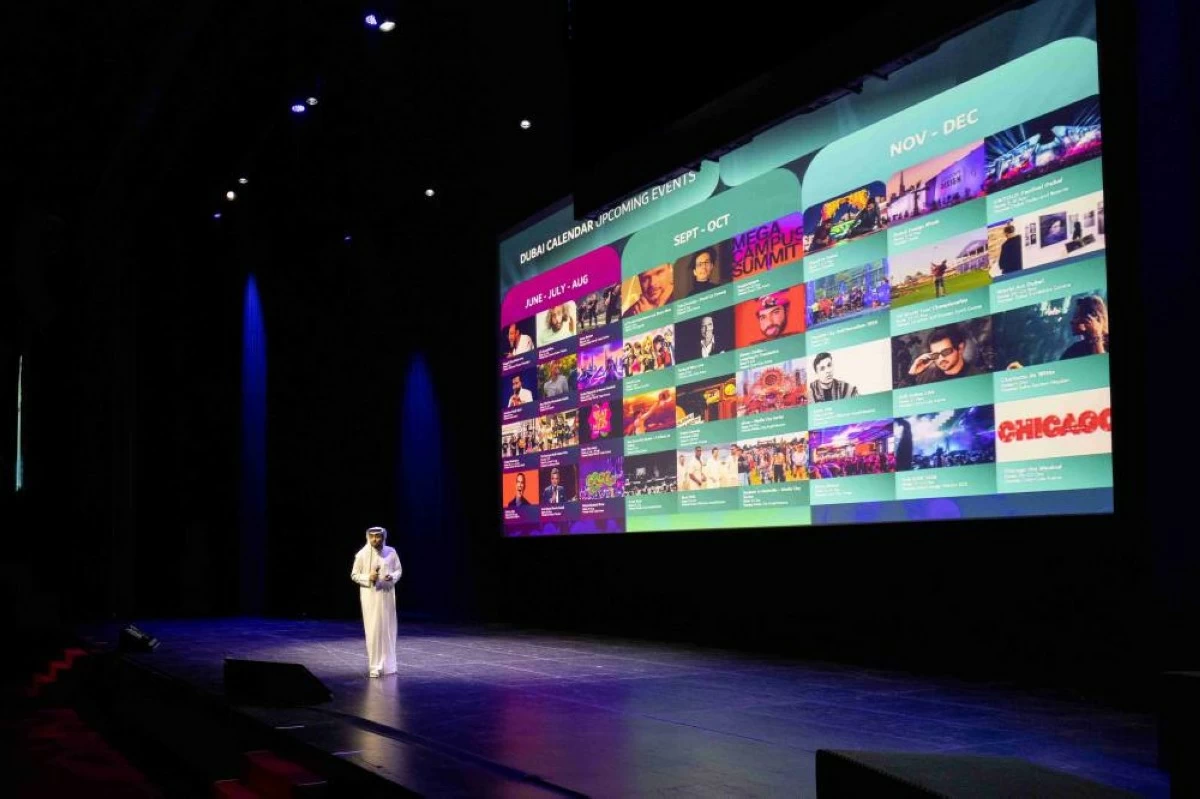
Dubai: The Dubai Department of Economy and Tourism (DET) convened its biannual City Briefing yesterday (June 3, 2026) at Dubai Opera, bringing together more than 1,700 leaders from the tourism, aviation, hospitality, retail, and events sectors, along with government officials and members of the media.
According to a press release, the meeting highlighted the importance of strategic public-private partnerships in reinforcing Dubai’s position as a leading global destination for business and leisure.
Held in the presence of Helal Saeed Almarri, Director-General of DET, the briefing aimed to align stakeholders on strategy, ensure operational continuity, and accelerate the delivery of the Dubai Economic Agenda (D33) at a pivotal time for the sector.
The session provided a comprehensive industry overview across three key pillars: the coordinated response to regional developments; the resilience demonstrated by the tourism sector alongside innovative initiatives; and a forward-looking outlook on major events, initiatives, and developments shaping Dubai’s trajectory in the second half of 2026.
Resilience and competitiveness
Issam Kazim, CEO of the Dubai Corporation for Tourism and Commerce Marketing (DCTCM), said: “Under the visionary leadership of His Highness Sheikh Mohammed bin Rashid Al Maktoum, we have built a tourism ecosystem that is coordinated, agile, and globally connected. This model, supported by strong stakeholder collaboration and a diversified market strategy, has been central to the continued resilience of Dubai’s tourism sector.”
He added: “As we move into the second half of 2026, our focus remains on sustaining long-term growth and strengthening global competitiveness, in line with the priorities of the D33 Agenda.”
Ahmed Al Khaja, CEO of Dubai Festivals and Retail Establishment (DFRE), emphasized the role of events in driving growth, stating: “Events remain a critical engine for Dubai’s tourism economy, supporting businesses, driving visitation, and generating year-round demand. Our evolving events strategy continues to set global benchmarks in excellence, diversity, and innovation.”
Coordinated response and industry support
Stakeholders were briefed on how DET and its partners responded swiftly to regional developments, activating contingency frameworks and working closely with aviation partners, including Emirates and flydubai, to maintain connectivity.
Efforts also included real-time communication with industry operators through platforms such as the Dubai Info Hub, alongside consistent global messaging reinforcing Dubai’s position as a safe and operational destination.
Support measures included targeted financial relief for qualifying businesses and expedited regulatory processes, helping ensure continuity, protect employment, and maintain high-quality visitor experiences.
Strong market performance
Dubai entered 2026 from a position of strength, following record international visitation in 2025, 6.4 percent GDP growth in Q4 2025, and 95.2 million passengers passing through Dubai International Airport.
The sector has demonstrated agility and collaboration, with restaurants launching initiatives to maintain activity and hotels offering competitive rates, value-added packages, and flexible booking policies.
Programmes such as Dubai, A Fine Way to Dine and Dubai Restaurant Week helped sustain momentum in the gastronomy sector by encouraging residents and visitors to explore dining experiences across the city.
Community spirit and industry collaboration
The tourism ecosystem’s resilience was further reflected in community-driven initiatives and industry collaboration, including chef-led partnerships and support programmes for hospitality workers.
Wider community engagement initiatives, such as the “We Love Dubai” campaign, highlighted the strong sense of unity and pride among residents.
Looking ahead: Growth and investment
Looking ahead, the briefing highlighted continued optimism and strategic investments across the sector. Hoteliers are leveraging current market conditions to invest in renovations and enhancements to maintain world-class standards.
Dubai’s global marketing efforts continue to span more than 80 source markets, supported by over 3,000 international partners to sustain visitor demand and reinforce the city’s global positioning.
Events and infrastructure driving momentum
A strong events calendar will play a key role in maintaining growth, including the return of Dubai Summer Surprises (DSS) in July, featuring retail promotions, entertainment, and dining experiences. Key highlights include the Great Dubai Summer Sale and Summer Restaurant Week.
The Dubai Fitness Challenge will mark its 10th edition from 31st October to 29th November, reinforcing Dubai’s position as a leading destination for lifestyle and wellness tourism.
Meanwhile, infrastructure development continues to support long-term growth, with projects such as the Dubai Metro Gold Line, the upcoming Blue Line, and the expansion of Al Maktoum International Airport, set to become the world’s largest aviation hub.
Unified vision for the future
The City Briefing concluded with a shared commitment across the tourism ecosystem to sustain growth, enhance competitiveness, and advance the goals of the D33 Agenda, reinforcing Dubai’s position as a leading global destination for tourism, business, and investment.