Oil rises as UAE exit from OPEC grabs attention
Energy markets gain amid Iran stalemate while tech shares weaken
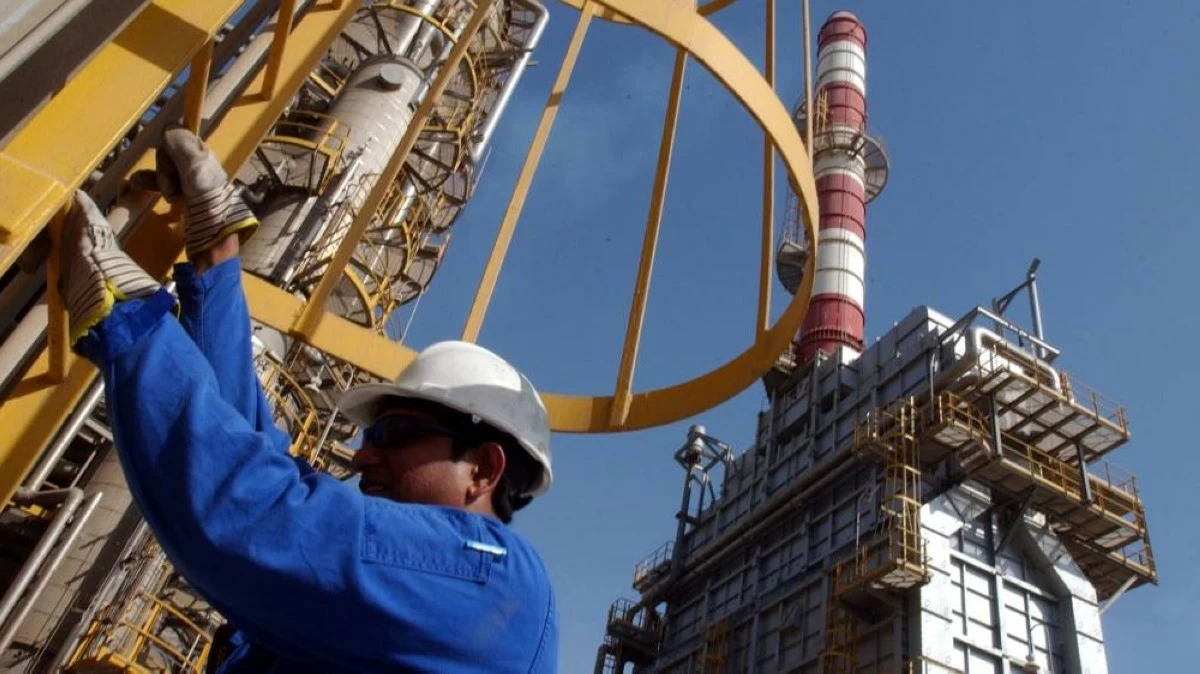
New York: Stocks fell and oil prices rose on Tuesday as investors assessed the stalemate in the Iran conflict and news that the United Arab Emirates is cutting ties with OPEC, while concerns that the artificial intelligence boom may be losing momentum weighed on equity markets.
U.S. bond prices also declined, pushing yields higher amid worries that elevated energy prices could add to inflationary pressures.
U.S. President Donald Trump is unhappy with the latest Iranian proposal to resolve the two‑month war, a U.S. official said, dampening hopes for an end to the conflict, which has disrupted energy supplies, fuelled inflation, and killed thousands. The conflict remains at an impasse, with energy and other supplies still unable to cross the critical Strait of Hormuz.
The UAE said on Tuesday it was quitting OPEC and OPEC+. Oil prices briefly pared gains on the news, but Brent crude hovered near a three‑week high, while U.S. benchmark WTI broke above $100 per barrel for the first time since April 13.
“The UAE is OPEC’s third‑largest producer, and its assigned quota is well below its production capacity,” said Brian Jacobsen, chief economic strategist at Annex Wealth Management.
He added that even if the immediate market reaction was muted, “over the longer term it gives OPEC considerably less influence over the markets.”
U.S. crude rose 3.93% to $100.16 a barrel, while Brent climbed 2.68% to $111.13 per barrel.
Earnings and AI in focus
The tech‑heavy Nasdaq Composite fell more than 1% as investors questioned whether the artificial intelligence boom can continue to generate meaningful returns. The Wall Street Journal reported that AI heavyweight OpenAI missed internal targets for weekly users and revenue, raising concerns about its ability to support massive spending on data centers.
“That’s putting pressure on the Nasdaq and the S&P 500, since tech and communication services account for around 40% of the benchmark,” said Art Hogan, chief market strategist at B. Riley Wealth. “If OpenAI is seeing some deterioration, that could reshape market leadership.”
The Dow Jones Industrial Average rose 9.08 points, or 0.02%, to 49,176.87. The S&P 500 fell 39.47 points, or 0.55%, to 7,134.44, while the Nasdaq Composite dropped 256.03 points, or 1.03%, to 24,630.88.
Shares of companies linked to OpenAI, including Oracle and CoreWeave, fell more than 3% each.
MSCI’s gauge of global stocks declined 0.75% to 1,066.96. Europe’s STOXX 600 index slipped 0.37%, emerging‑market stocks fell 0.75%, and MSCI’s Asia‑Pacific index outside Japan lost 0.69%. Japan’s Nikkei dropped 1% after hitting a record high the previous day.
Higher oil prices weighed on inflation expectations. The two‑year U.S. Treasury yield rose 3.9 basis points to 3.844%, while the benchmark 10‑year yield gained 2.3 basis points to 4.36%.
“The rise in yields is following the increase in oil prices,” said Will Compernolle, macro strategist at FHN Financial. “This likely reflects volatile sentiment around the U.S.‑Iran situation, even though broader fundamentals haven’t changed.”
The dollar index rose 0.15%, while sterling slipped 0.1% and the euro was little changed. The dollar remains one of the few safe‑haven assets during the Iran conflict, despite giving up much of its March gains.