Rupiah and Rupee hit record lows as oil surge and rising global yields rattle Asian markets

Gulf tensions drive oil price spike, strengthen US dollar, and trigger broad sell-off in Asian currencies and equities

By Reuters Published: 2026-05-18T12:32:00+04:00 2 min read
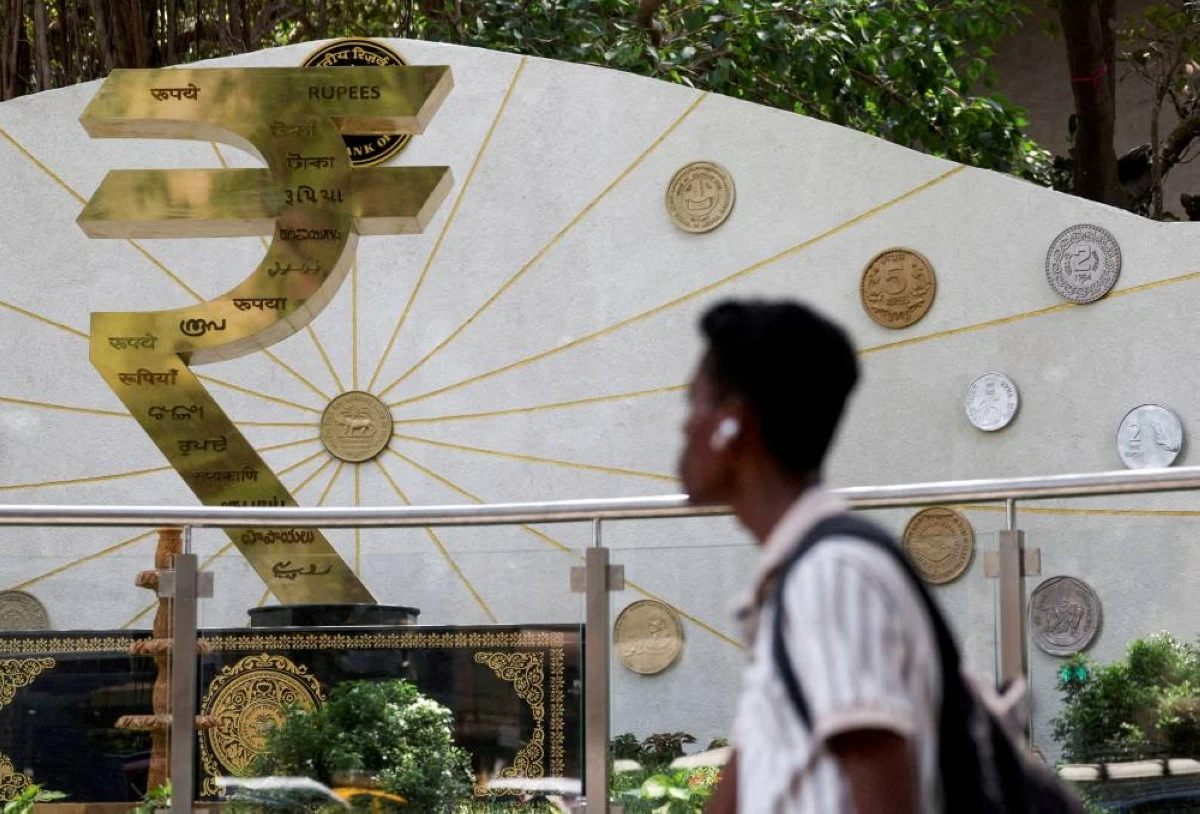
File picture: A man walks past an installation of the Rupee logo and Indian currency coins outside the Reserve Bank of India (RBI) headquarters in Mumbai, India. REUTERS

Dubai: The Indonesian rupiah and the Indian rupee slumped to record lows on Monday, leading losses across the region, as renewed Gulf tensions pushed oil prices and global yields higher, strengthening the US dollar and pressuring oil-importing economies.

The Middle East conflict intensified as drone strikes hit UAE assets, Saudi Arabia intercepted incoming drones, and Iran moved to assert control over the Strait of Hormuz, constricting a key oil transit route.

The rupiah, one of the region’s worst-performing currencies, fell 1.16% to 17,665 per US dollar, marking its biggest intraday percentage drop since April 2025. The move represents the currency’s second record low in a week and puts it on track for its worst May performance since 2016, as Indonesian markets reopened after a holiday and came under renewed pressure.

The decline has been driven by the Iran-related oil shock, alongside mounting concerns over fiscal discipline, foreign outflows, central bank independence, and stock market governance following MSCI’s latest index removals.

Stocks in Jakarta tumbled more than 3.7% to 6,475.24, marking a fifth straight session of losses and hitting the lowest level since late April. The benchmark index has fallen more than 25% this year.

Bank Indonesia (BI) has repeatedly attempted to stabilise the rupiah, intervening in foreign exchange markets and pledging to deploy monetary policy tools to ease pressure on the currency. This week’s policy meeting is now in sharp focus, with the BI rate still at 4.75% after seven consecutive holds. Citi analysts expect a potential rate hike.

The Indian rupee also hit an all-time low of 96.303 per dollar, extending a slide that has gathered pace since rising oil prices linked to the Iran conflict began in late February. The currency has weakened by roughly 5.5% since then, making it Southeast Asia’s worst-performing currency this year.

Asian emerging-market currencies have borne the brunt of a stronger dollar, with oil importers such as India and the Philippines facing a dual pressure from higher crude prices and currency depreciation. Yield-sensitive currencies like the rupiah are also weighed down by domestic headwinds, according to MUFG analyst Michael Wan.

In China, Southeast Asia’s largest trading partner, April data indicated slowing economic momentum, with factory output cooling and retail sales declining. Shanghai shares fell 0.4%, while the Chinese yuan remained flat.

In Thailand, stronger-than-expected quarterly growth, supported by exports, consumption and investment, provided some support. The baht was largely unchanged, while equities edged up 0.2%.

Among other currencies, the Malaysian ringgit weakened 0.7% to 3.9750, hovering near the psychologically important 4.000 level and heading for a third consecutive session of losses.

Meanwhile, MSCI’s emerging market currency gauge fell 0.4% for a third straight day, as a global bond sell-off tightened financial conditions across risk assets.