What are the Fed’s bank stress tests and what’s new this year?
Annual checks to assess bank resilience continue, but 2026 results won’t impact capital requirements
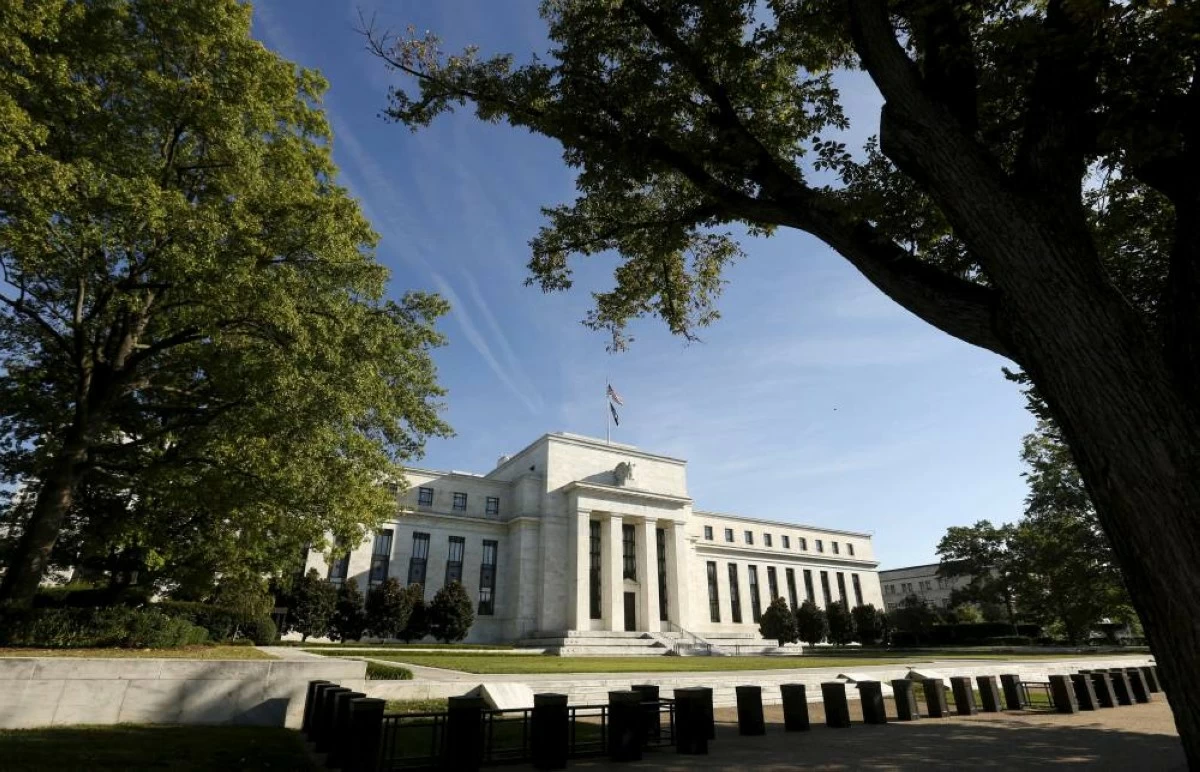
Washington: The U.S. Federal Reserve is set to release the results of its annual bank stress tests, offering insight into the resilience of major lenders under severe economic conditions, although this year’s results will not affect capital requirements or shareholder payouts.
What are the Fed’s stress tests?
The Federal Reserve introduced stress tests in 2011 following the 2007–2009 global financial crisis to ensure banks could withstand a similar economic shock. The tests simulate a severe downturn and assess how banks’ balance sheets would perform under pressure.
Initially, several major banks, including Citigroup, Bank of America, JPMorgan Chase and Goldman Sachs, struggled to meet the required standards, prompting revisions to their capital plans. Over time, banks have adapted to the process, and the Fed has made the framework more transparent. In 2020, the central bank replaced the earlier “pass-fail” model with a more tailored system that assesses each bank individually.
How are banks assessed?
The stress tests evaluate whether banks can maintain a minimum capital ratio of 4.5 percent during a simulated downturn. This ratio reflects a bank’s capital relative to its assets. Large global banks must also hold an additional buffer, known as the G-SIB surcharge.
A key outcome of the test is the “stress capital buffer”, an extra layer of capital determined by the losses a bank would face under the simulated scenario. The higher the projected losses, the larger the buffer required.
This year’s test covers 32 banks and includes a scenario of a severe global recession, along with significant stress in commercial and residential real estate markets. Banks with major trading operations are also evaluated against a global market shock and the potential failure of a key counterparty.
What’s different in 2026?
In a major shift, the Federal Reserve has decided that this year’s stress test results will not lead to changes in banks’ capital requirements. Instead, existing capital buffers will remain in place.
While the results will still provide valuable insight for investors and analysts about the financial health of major institutions, they will not influence how much capital banks must hold or how much they can return to shareholders through dividends or share buybacks.
Why are capital levels unchanged?
The Fed is maintaining current capital levels while it reviews and updates the stress testing framework in response to industry concerns. Banks have long criticised the process as overly opaque and complex.
In response, regulators have proposed allowing banks to review and provide feedback on the models and scenarios used in future stress tests. This marks a significant shift towards greater transparency and collaboration.
Fed Vice Chair for Supervision Michelle Bowman said the decision to freeze capital levels during this year’s exercise would allow regulators to incorporate feedback and address any shortcomings in the system.
What does it mean for the banking sector?
Although the 2026 stress tests will not directly impact capital allocations, they remain a key tool for assessing the strength of the U.S. banking system. The results are expected to offer a snapshot of how major banks would cope with a deep economic downturn, even as the regulatory framework continues to evolve.