Kuwait takes measures to fight against high inflation
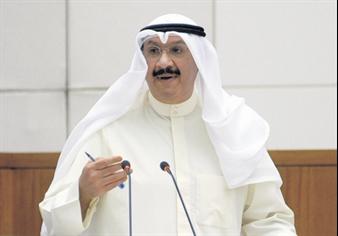
Kuwait's central bank is using exchange rate flexibility and interest rate policy to control liquidity in the banking sector as it tackles near-record inflation, its governor said.
Kuwait, which has severed its dinar link to the dollar to give it more room to manoeuvre on monetary policy, would make interest rate decisions based on the needs of the local economy, Sheikh Salem Abdul-Aziz Al Sabah said in remarks to be published by Al Rai today.
Inflation in the world's seventh-largest oil exporter hit record levels of about 11 per cent in April and May.
"The central bank is using... monetary policy tools, including exchange rate policy and levels of interest rates... to organise liquidity levels inside the domestic banking and financial sector," Salem said.
His comments come after the central bank this month stopped guaranteeing interbank transactions at a fixed exchange rate, making it more expensive for speculators to bet on the dinar.
"The country is currently witnessing rising inflationary pressures from rising prices in markets for commodities, services and assets, accompanied by accelerating growth in local demand for credit," Sheikh Salem said.
"The central bank's intervention is to define a ceiling for growth of banks' credit portfolios," he said.
Kuwait has allowed its dinar to rise more than 8 per cent since it dropped its dollar peg in May 2007. This has helped to reduce the cost of imports in the state, which pays for about a third of its imports in euros. The central bank – which set limits on consumer loans in late March – would also be open to issue bonds, Sheikh Salem said, without giving details.
He declined to comment on whether the central bank would modify its benchmark discount rate, which guides banks' retail lending rates, from the current 5.75 per cent.
"Interest rates... are mainly linked to the local economic, monetary, and banking conditions, but also take into consideration the latest developments in interest rates of main currencies," Sheikh Salem said.
Kuwait does not disclose the composition of the basket against which it tracks its dinar, saying only it is comprised mainly of the weak US dollar. Kuwait, which is making windfall revenue from a near six-fold rise in oil prices since 2002, set expenditure at a record of almost 19 billion dinars ($71.11 billion) for the 2008-09 fiscal year.
"There are limits to the performance and effectiveness of the monetary policy tools of the central bank," Sheikh Salem said. "Other factors have a tangible impact in feeding inflationary pressures... Perhaps the most important one is public spending policy."