Two regional SWFs to raise $6.5bn to aid expansion
Two Gulf sovereign wealth funds have started the process to raise as much as $6.5 billion (Dh24bn) to help finance expansion, bankers involved in the transaction said yesterday.
Investment Corporation Dubai, which pools some of the emirate's biggest firms, has started syndication of a $6bn loan and Bahrain's $10-bn investment agency Mumtalakat Holdings is raising $500m to finance acquisitions, bankers said.
Mumtalakat said in May it was considering two acquisitions, one in the services sector in North America worth as much as $1bn, and another in Asia.
It will close syndication of its loan on August 17, said a spokesman for the National Bank of Bahrain (NBB), which is arranging the loan. Mumtalakat owns 50 per cent of NBB.
The five-year loan, which includes a $150m Islamic tranche, is being marketed to local and regional banks, he said. "By undertaking our first debt facility, Mumtalakat will be well placed to capture value-creating acquisition opportunities when they arise," Mumtalakat Chief Executive Talal al-Zain said in a statement.
Investment Corporation Dubai's loan, which is in general syndication, includes two Islamic tranches of $1.5bn to $2bn, the two bankers said.
The loan will be used for general corporate activity, the bankers told Reuters last month.
Regional government investment agencies are tapping debt markets to finance expansion as Gulf economies boom on a more than five-fold rise in oil prices since 2002.
Mumtalakat planned to sell assets and buy into foreign firms as part of a strategy by Bahrain to diversify holdings, Zain said in May.
Mumtalakat's assets include Bahrain Aluminium (Alba), Gulf Air, Bahrain Telecommunications Co (Batelco) and a 30 per cent stake in the Mclaren Formula 1 motor racing team.
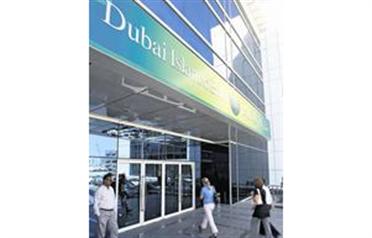
Royal Bank of Scotland, Standard Bank, Barclays Capital, Citigroup and HSBC are lead arrangers for the ICD's conventional loan, while Noor Islamic Bank, Dubai Islamic Bank and Standard Chartered are among the bookrunners for the Islamic tranches.
'SWFs need to be active players'
Sovereign wealth funds risk keeping poor management in place in the firms they invest in if they give up their shareholder rights in response to fears about their excessive influence, said a senior official of State Street – one of the world's largest global financial services companies.
John Nugee, who heads State Street Global Advisors' Official Institutions Group, said state-owned funds had shied away from active corporate governance after stirring fears in certain countries.
But they now needed, he said, to find the right balance between active and passive ownership.
The growth in SWFs – now with total assets of $3 trillion – has raised concerns that they might try to wield political influence or threaten national security after buying stakes in major Western banks and firms since last year.
In order to hush critics, wealth funds have insisted they are passive investors and in some cases have given up rights which they are entitled to as major shareholders. "SWFs are learning the new role in the world... There is a learning process and the learning process needs to go further," Nugee said.