Gulf equity investors' wealth swells by $400bn
A decline in key shares allied with growing speculation deprived Gulf equity investors of nearly $26 billion (Dh95.5bn) in July but they ended the first seven months of the year with over $21bn in profit, official figures showed yesterday.
But the gain in the first seven months was a fraction of their profits in the same period of 2007, when the wealth of the investors in the seven bourses of the UAE and its five partners in the Gulf Co-operation Council (GCC) swelled by more than $400bn.
Figures by the Abu Dhabi-based Arab Monetary Fund (AMF), which tracks share movements in the Arab world's 16 official stock exchanges, showed the market capitalisation in the GCC bourses dipped by $26.14bn from $1,142.57bn at the end of June to around $1,116.43bn at the end of July.
Despite the loss, most of the bourses ended the first seven months of this year as gainers, with their combined capitalisation rising by around $21.2bn at the end of July from $1,095.22bn at the start of January, the AMF figures showed.
All of them were gainers except the highly-speculative market of Saudi Arabia, which plunged by around $64bn in the first seven months.
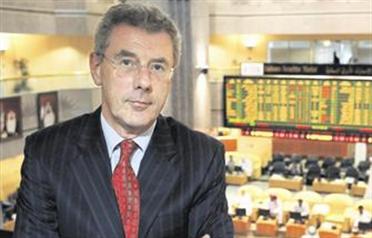
"I know there might be some turbulence over the past couple of months but not like in the past and it is nothing compared with what happening internationally," said Tom Healy, Chief Executive of the Abu Dhabi Securities Exchange. "In Abu Dhabi, don't forget the market index recorded a growth of around nine per cent in the first half."
AMF figures showed the gains in the GCC bourses in the first seven months of this year were dwarfed by those of last year's corresponding period, when they stood at around $410bn. The gains hit an annual record of $692bn during 2007 compared to 2006.
A breakdown showed the bulk of the losses in July were in Saudi Arabia's Tadawal Exchange, which plunged by around $18 billion. Kuwait declined by nearly $6bn while the UAE's Dubai and Abu Dhabi bourses slipped by about $2 billion. Oman and Bahrain also recorded slight falls but Qatar was the only exception in July as the market capitalisation of its Doha bourse gained nearly $300m.
Most bourses in the GCC and other Arab countries have sharply fluctuated over the past two months despite strong performance by most of the listed companies, an economic boom in the Gulf and excess liquidity in many regional states.
Dealers cited numerous reasons for the fluctuations and sharp drops in some markets, including regional tensions, exposure of some bourses to foreign markets, widespread speculation, seasonal declines, and other factors.
But they believe regional bourses, mainly in the UAE, will record another year of strong performance as most listed companies made higher profits in the first quarter and some of them have already released better results for the second quarter.
By the end of 2008, the more than 60 companies listed in the UAE could achieve between 10-40 per cent growth in their profits, according to the dealers.
"The market fundamentals here say that this year will be a very good one," said Ziad Dabbas, Share dealing adviser at the National Bank of Abu Dhabi. "There have been fluctuations in a single session, a single day and even in a month…but this is normal and am sure investors will be gainers by the end of the year."