Fate of trade talks hangs in balance
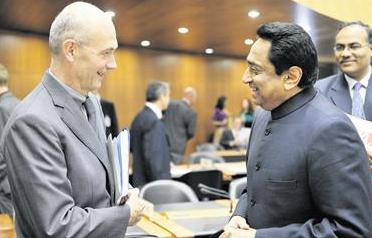
Deadlocked global trade talks will fail unless countries can find compromise in the coming hours, the chair of World Trade Organisation negotiations said yesterday.
"This is the blunt reality... The situation is critical, edging between success and failure," WTO chief Pascal Lamy told delegates at the talks, according to his spokesman. "Time is running out and the next 24 hours are crucial," he said.
Trade ministers from around the world have made little progress since talks began on Monday aimed at saving the long-delayed Doha trade round, which seeks to liberalise trade by reducing import tariffs and trade distorting subsidies.
A group of seven ministers representing the world's major exporters was reconvened for talks that European Trade Commissioner Peter Mandelson said were a chance for "one final attempt to close the gaps".
"It's a crucial day," Mandelson said as he arrived at the meeting. "If some, certain people who are negotiating will not show any flexibility at all then it takes the rest of the negotiation hostage."
Delegates said they would know soon after that meeting whether the talks would fail. However the timing of any outcome remained impossible to predict.
Emerging economies such as Brazil and India have criticised the United States and European Union for failing to offer big enough cuts in subsidies and import tariffs, which make it harder to compete with American and European farmers.
Washington and Brussels both say they have given ground in the talks and are waiting for the developing countries to make concessions on opening their markets to imports of manufactured goods and services.
Lamy has floated possible ways to find common ground on core areas of the talks, his spokesman said.
Mexico also suggested a way to settle the stand-off over manufactured goods, proposing that no more than 10 per cent of volumes of trade per industrial sector could be shielded from tariff cuts. Industry associations from Argentina, India and South Africa issued a joint statement warning that current proposals risked damaging key sectors in their countries that were major providers of employment.
The Geneva meeting of ministers is seen as a last chance to close the Doha round this year after which it could be delayed further by elections in the United States and India and a change in the European Commission next year.