BA World Cargo fuel surcharges fall further
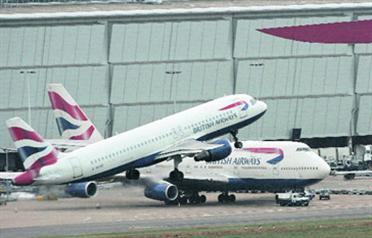
Effective September 11, the United Kingdom carrier’s cargo fuel surcharge will be cut to £0.72 / $1.10/ Euro1.251.10. That compares with a current level of £0.81 / $1.25 / Euro1.25, which came into effect this week; a revised charge of £0.75 / $1.15 / Euro1.251.15 due to take effect from September 4; and an earlier peak level of £0.87 / $1.35 / Euro1.251.35 in place at the end of July/early August.
BA World Cargo said its planned latest surcharge reduction followed a second consecutive week that the fuel index it had developed to provide customers with more information about the calculation of those charges had been below the level 22 threshold. “This is the third fuel surcharge reduction we have made in recent weeks, following corresponding drops in the cost of fuel,” said Adam Carson, senior manager revenue management.
Major cargo airlines in the Middle East are also set to lower their fuel surcharge in the coming days following a drop in oil prices, a move likely to revive declining demand for air cargo and provide an opportunity for freighter fleet expansion.
The drop in fuel surcharges will be the first this year for most of the major global airlines after it was increased for more than six times since January.
On August 21, Emirates Skycargo, the cargo division of Emirates, reduced the fuel surcharge on regional cargo shipments from Dh2.4 to Dh2.2 per kilograms.
The airline will also reduced the fuel surcharge for cargo shipments in Europe from Dh4.8 to Dh4.6 per kg.
Etihad Crystal Cargo and Qatar Airways Cargo, two major regional air cargo carriers whose fuel surcharges have gone up on almost a monthly basis, are also set to lower the surcharges.
Meanwhile, the Association of Asia Pacific Airlines (AAPA) carriers, which include global air cargo industry players such as Cathay Pacific Airways, Japan Airlines, Korean Airlines and Singapore Airlines, saw their total international freight traffic drop for the second month in a row in July.
The July figure of 4,497m freight tonne kilometres (FTKs) was 5.5 per cent down on the comparable month in 2007. The average freight load factor was up marginally, by 0.3 of a percentage point, to 66.6 per cent but that was due to a 5.9 per cent reduction in flown capacity to 6,754m available tonne kilometres (ATKs).
“AAPA international air cargo traffic was basically flat and is now registering significant declines,” said AAPA Director General Andrew Herdman. Looking ahead at general Asia Pacific air transport industry prospects and outlook, Herdman suggested “the outlook for the remainder of the year remains bleak”.
The AAPA is the trade association for major scheduled international airlines based in the Asia Pacific region. Collectively, its 17 members annually carry 10m tonnes of cargo “representing approximately one-third of global air cargo traffic”.