Middle East only region to record strong cargo growth
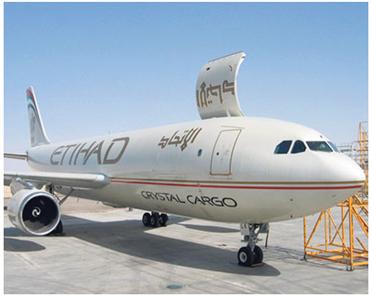
Middle East is the only region to have recorded a significant growth of 10.7 per cent in air freight volumes in the month of May 2008, according to the latest statistics released by the International Air Transport Association (Iata).
The aviation trade body puts the growth down to the region's oil-based economic growth. Compared to the region, North American cargo traffic grew 4.6 per cent in May as US carriers shifted capacity from domestic to international routes, while Europe recorded a sluggish 1.4 per cent increase.
With regards to the increase in passenger numbers, Middle Eastern airlines expanded their traffic 12.8 per cent in May, lower than the 18.1 per cent increase achieved for the full year 2007 due to slower economic growth in origin-destination regions using Middle East airports as connecting points, Iata said.
International traffic data for May, however, showed a significant drop in cargo growth to 1.3 per cent, while passenger traffic grew six per cent. "The high price of oil is re-shaping the industry. The major shifts in traffic flows experienced during May reflect this," said Giovanni Bisignani, Iata's director-general and chief executive officer.
International load factors, meanwhile, increased slightly for the first time in three months to 74.3 per cent on slower capacity growth of 5.4 per cent during the month.
Iata further said during May jet fuel averaged $160 per barrel – 87 per cent higher than the same time in 2007.
And by comparison, crude prices averaged $123 per barrel, which is an 81 per cent increase.
"Jet fuel margins are increasing the impact of skyrocketing oil prices for the aviation industry. Unit costs are up 20-30 per cent and that is going to take its toll on the bottom line. Efficiency everywhere is the imperative. That must be understood by governments, labour and our industry partners," said Bisignani.
Furthermore, cargo demand is considerably down from the 4.3 per cent recorded for the full year 2007, according to Iata, who said that the biggest cause of the slow growth came from a 0.5 per cent contraction in Asian carrier traffic.
Asian carriers saw weakness in transpacific markets with increased competition from US carriers taking advantage of the weak US dollar, Iata said.
The six per cent growth in the international passenger demand, meanwhile, emerged stronger than expected given the economic downturn, according to Iata.
The association added that reversing the trend of the previous three months, load factors rose slightly in May to 74.3 per cent as high fuel prices are forcing cuts in capacity and the retirement of older aircraft.