Why the future's in the air
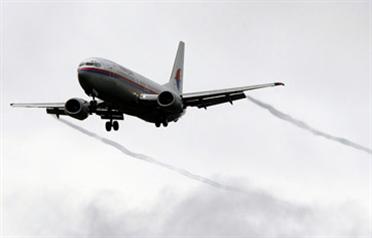
The future of air travel is changing with many exciting innovations on the way.
While shifting world economies and fuel prices continue to play a major role, the next three years will see major transformations from how baggage is labelled to how boarding passes are processed, say aviation experts.
"A lot is happening in our airports, planes, baggage, security and communications," says Dominique El Bez, the director of portfolio marketing at Sita, a global communication services integrator dedicated to the travel and transportation industry.
One of the first major noticeable changes will be in service, says El Bez. "The industry in the last few years has done a tremendous amount of work in the deployment of self-service technology."
Earlier this year, the International Air Transport Association (Iata) ruled that its more than 240 member airlines move to e-ticketing completely. The directive is expected to save the industry more than $3 billion (Dh11.02bn) per year.
"In 2009, roughly 60 per cent of passengers will check in using self-service technology as opposed to 36 per cent now," says El Bez.
But ticket prices are still largely dictated by fluctuating fuel prices.
"The unprecedented rise in fuel prices has taken everyone by surprise, not just the airline industry," says a spokesperson for Emirates. "Just this week, we reduced fares for tickets issued in the Middle East and GCC to more than 20 cities."
But the aviation industry is not just looking at ways of streamlining services but also enhancing travellers' experience. Emirates set the standard by introducing in-flight showers for its first class passengers on Airbus A380 flights.
In 2005, Etihad launched internet services on its flights but removed them a year later. Now, it is planning to restart the service along with some mobile telephone services next year.
"We currently offer onboard phone calls and are looking at new ways to introduce internet access," says a spokesperson.
Iata says mishandled baggage cost the industry $3.8bn in 2007. Now, electronic identity tags are already in place in some airports while some allow passengers to store flight details in their phones.
Sita's El Bez says these are exciting times for the aviation industry. "It's a very dynamic environment whether it comes from economic challenges or ambitions to improve customer services," he says.