Building materials price index introduced
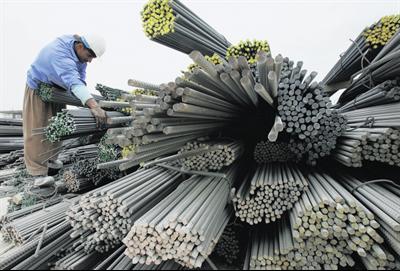
Abu Dhabi yesterday launched its first building materials price index, which it said is intended to eliminate widespread market manipulation and prevent possible disputes between project owners and contractors
The new index came a week after the Abu Dhabi Department of Planning and Economy (DPE) started a regular price index for foodstuffs, which have been cited as among the main reasons for accelerating inflation in the country along with high costs of building materials, a surge in rents and higher import bill because of the dirham-dollar peg.
DPE said the building materials index would be released on a monthly basis to monitor their prices, which have sharply fluctuated over the past year due to the surge in global prices and manipulation by importers and suppliers.
The new index showed the price of most steel products swelled by between four and 19 per cent in June compared with May but that of most other construction materials declined or remained unchanged thanks to government stabilisation efforts.
"This new index is designed to eliminate price manipulation by traders and keep the project owner updated about the prices of all building materials to avert any possible dispute with the contractor," DPE said in its weekly report.
"Therefore, it will contribute to exposing manipulators in this vital sector in the light of the sharp increases in construction materials due to the economic boom in Abu Dhabi in particular and the UAE in general … the rise in fuel prices and global transport costs have also contributed to further increases in the prices of such products. We hope this index will provide all landlords and project owners with accurate estimates of the costs of their enterprises and consequently reduce the risk of disputes with contractors."
DPE, which has been locked in a series of projects to cope with accelerating growth and changes in the emirate, said the new index comprises 22 basic building materials which constitute nearly 90 per cent of the total construction requirements.
The index showed the prices of most steel products grew by between four and 19 per cent while those of white cement declined by seven per cent in June. The prices of most other construction items either stabilised or dived by over 30 per cent.
A breakdown showed twisted iron from Qatar grew by around four per cent while spiral iron from Turkey surged by 17 per cent.
Home-made floor steel nets leaped by 19 per cent while there were no comparison prices for other steel products.
In contrast, white cement declined by seven per cent in June while the price of Portland cement remained unchanged following repeated warnings by the Ministry of Economy to suppliers not to violate price agreements on such materials.
Last week, the Ministry reached another agreement with cement manufacturers to fix the price at Dh18 per 50-kg cement bag inside cities and Dh19 in remote areas.
Dealers said this would lead to an increase in cement prices this month over the previous two months but noted the accord would help stabilise prices for a while.
To ensure strict compliance with the agreement, the Ministry this week asked all buyers to supply it with any bill proving suppliers are violating the new price system.
"We urge all those who bought cement at higher prices to supply the Ministry with bill supporting their claim or contact us at the new hotline," the Ministry's Undersecretary Mohammed Abdul Aziz Al Shedhi said in a statement.
The new index showed there was a relatively stability in the prices of metal cables, wood, ceramics, and other types of tiles. But the price of wall ceramic tiles plunged by eight per cent while some types of paint dived by 15 per cent.
The price of transparent glass also sharply dropped by nearly 20 per cent while mirror glass recorded the largest decline of 31 per cent in June over the previous month.
The index showed the price of British-made plastic tubes surged by 13 per cent.
In a study released recently, the Abu Dhabi Chamber of Commerce and Industry said the surge in the prices of construction materials has allied with a sharp rise in rents and the prices of food and fuel to push inflation rates in the UAE to alarming levels.
"Inflation in the UAE has reached alarming levels as a result of high fuel and food prices, a surge in rents and construction costs, and strong domestic demand due to the booming economy, the Chamber said in a recent report.
"The inflation phenomenon has become one of the most debated issues in the UAE because of accelerating rates. Inflation has steadily risen over the past three years to reach an alarming level in 2007.
"One of the root causes of this problem is the wave of hikes in petrol and diesel prices in the country as such increases have led to higher construction costs, slashed the profit margin of the contractors, and prompted house owners to raise rents sharply.
"Another key factor is the continued rise in the prices of both the imported and locally made building materials. Although the surge in rents was a major contributor to inflation in the UAE, the fuel price increases should not be ignored as they play a key part in pushing up rents to such an alarming level given their direct impact on various economic sectors, including construction and transport."
It said the price surge has hit the construction sector hard as it is expected to depress the already eroding profit margin of contractors by 15-20 per cent in the coming years.
"This could affect their ability to meet their financial obligations to the banks. Higher costs will also force more landlords to further increase rents although they have reached alarmingly high levels," the report said.