GCC should boost steel production
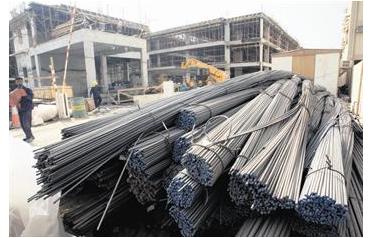
The UAE and its partners in the Gulf Co-operation Council (GCC) need to set up more projects to expand their steel and other building materials industries to bring down soaring prices, a semi-official report said yesterday.
Such projects would allow member states to reduce imports and meet a surge in domestic demand, which has turned them into the world's largest steel consumers, said the report by the government-controlled Emirates Industrial Bank (EIB).
In its August economic bulletin, EIB blamed speculation along with a sharp growth in demand and other factors for the surge in construction costs, which it said had stoked inflation in the UAE and other members.
Its figures showed the construction boom boosted the per capita consumption of steel in the 27-year-old GCC to a record 378kg in 2007 compared with a world average of 182kg. Demand in the UAE was as high as 440kg.
"The present boom in the real estate sector has resulted in steep increases in demand for building materials in the GCC… this has led to the establishment of more projects involved in the production of such materials and this in turn has contributed to efforts to diversify the economy and at the same time stimulated the private sector and banks and other lending institutions," the study said.
"But there is a need now for more projects and expansion of existing units in all member countries to meet the surge in demand and reverse an upward trend in prices… the private sector should now take advantage from the creation of the common GCC market and embark on such projects.
"There is no doubt such projects will lead to stabilising prices and at the same time support efforts to tackle inflation in the region since higher prices of building materials are the main cause of the surge in rents."
Besides surging demand and an increase in fuel prices and imported products, speculation is to blame for the rise in building materials prices in the GCC countries, which created their economic, defence and political alliance in 1981.
"There are some factors that explain the surge in the prices of building materials in the GCC, including high demand in both the local and global markets, higher transport costs because of the surge in fuel prices, and an increase in the prices of construction products worldwide," the study said.
"But there are also non-objective factors, including speculation in the GCC countries… construction and building materials plants in the region have the advantage of cheap production costs compared with those in other areas because of lower energy prices… yet the prices of some building materials in the region have exceeded those of the same products worldwide," it said.
The study gave no figures on the GCC production of building materials but independent estimates put cement output in the six members are more than 60 million tonnes in 2007 compared with 35 million tonnes four years ago. Production capacity is expected to peak at 80 million tonnes in 2010.
Steel production is also expected to surge by nearly 10 million tonnes in the next three years as most member states are expanding their existing steel plants and constructing projects to catch up with rising demand.
According to the Doha-based Gulf Organisation for Industrial Consulting (GOIC), steel production in the GCC soared by nearly 21 per cent between 2001 and 2005 but consumption leaped by 64 per cent during the same period.
"This has led to ever increasing imports of steel into this region. Imports of finished and semi-finished steel into the GCC were 13 million tonnes in 2005," said GOIC.