Steel prices in UAE drop 15% since end of July
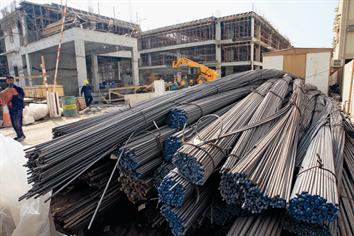
UAE steel prices have dropped about 15 per cent since the end of July as a decline in global prices coincided with the summer lull, traders said yesterday.
A tonne of reinforcing steel bar (rebar), used in construction, fetched around $1,400 yesterday, down from around $1,650 in the last week of July, dealers said.
On July 20, a tonne of steel was traded at around $1,700 per tonne as demand for construction materials continued to drain local market.
Gulf nations are investing heavily in construction and suppliers of building materials are struggling to keep up with demand in the UAE.
The rising cost of building materials is helping fuel inflation across the Gulf, where economies are flourishing on a six-fold rise in oil prices since 2002.
"We think trade in (the holy month of) Ramadan will be slower than last year, so why would I pay more for something I can get for much less in less than a month," one trader said.
The UAE lifted customs duties on cement and steel in March to stabilise the real estate market and to reduce the burden on contractors.
In 2006, the construction industry recorded a real growth rate of 19.7 per cent year-on-year, while the sector is expected to expand at a slower pace of 10.4 per cent from 2008 until 2012, said Al Mal Capital, a UAE-based investment bank.
The value of projects in the UAE in 2008 is 4.6 times the estimated GDP value in 2007, compared to just 1.3x GDP in Saudi Arabia and 2.3x in Oman.
According to Al Mal, real estate demand in the UAE currently outweighs supply by more than 101,000 units and supply is not predicted to surpass demand until at least 2010. The increase in construction of infrastructure, hospitals and schools go hand in hand with a growing population. But the report says one of the bigger dangers facing the industry is the rising cost of labour, and the ability to attract and retain workers. In the mid-1970s, Gulf saw a large number of foreign workers, who were attracted by higher wages than they could earn in their home countries.
The UAE is home to 3.11 million foreign workers, accounting for more than 90 per cent of the private sector workforce. There are about 1.5 million Indians and a large number of them work as contract labourers in the construction industry.