Steel prices increase by 91% in first half
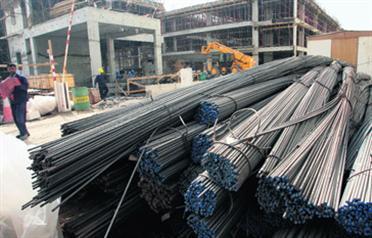
A surge in construction activity spurred by an economic boom in Abu Dhabi boosted steel prices by a 91 per cent in the first half of this year and the upward trend is expected to continue, an official report said yesterday.
Cement prices also surged by around 42 per cent as the emirate is pushing ahead with major construction projects worth nearly Dh880 billion between 2004 and 2007, which are expected to top Dh200bn this year, the Abu Dhabi Department of Planning and Economy (DPE) said in its weekly report.
The surge in the prices of construction materials over the past two years has been caused by a sharp rise in global prices and high growth in domestic construction activity that largely boosted local consumption.
Despite a steady expansion in local production of steel and cement, the surge in consumption has largely widened the emirate's imports of building materials and consequently pushed up prices, DPE said.
"There is no doubt that the imbalances and bottlenecks around the world will continue, mainly because of the surge in infrastructure projects and growing restrictions on production for environmental reasons," it said.
"These imbalances will surely affect the economy of the UAE and subsequently that of Abu Dhabi, where the construction sector is expected to record high growth rates until 2010 due to expectations of large investments in property and infrastructure projects. This means the high demand for most building materials will be maintained and this will keep prices of such items high."
DPE figures showed steel has been the main victim of inflation in the emirate, with its prices swelling by 13 per cent in 2006 and 28 per cent in 2007. In the first half of 2008, its prices leaped by 91 per cent.
Cement prices grew by only three per cent in 2006 but soared by around 30 per cent in 2007 and picked up by 46 per cent in the first half of 2008.
White wood prices grew by 16 per cent and 26 per cent in 2006 and 2007 before their growth slowed down to only 2.9 per cent in the first half of 2008. Plywood also surged by 11 and 16.5 per cent in 2006 and 2007 before slowing to 3.7 per cent in the first half of this year, according to the report.
"There are two main factors for the continuous increase in the prices of the building materials in Abu Dhabi and other UAE emirates over the past two years – global and domestic factors," DPE said.
"At global level, demand for building materials has made big leaps that have had an upward impact on their prices in the light of the less than expected growth in supply of such materials.
"At local level, Abu Dhabi is witnessing a boom in the construction sector as available data showed the total value of such projects has reached nearly Dh880bn during 2004-2007. The emirate is also expected to attract around Dh200bn in investments into this sector in 2008."
The report showed the construction upswing in Abu Dhabi has sharply boosted demand for building materials, with steel consumption soaring by around 24.5 per cent annually over the past three years. It put domestic demand at around 2.11 million tonnes in 2007 compared with nearly 1.69m tonnes in 2006.
Steel production also grew by around d 24 per cent annually from nearly 383,000 tonnes in 2003 to 830,000 tonnes in 2007. It is expected to peak at around 1.5m tonnes by the end of 2009 when two new plans are commissioned.
"Despite the increase, local production covers only around 39 per cent of the domestic demand. Imports surged by more than 71 per cent to a record 1.62 million tonnes in 2007 from 806,600 tonnes in 2005," DPE said.
"As a result, the prices of steel have continued their upward trend over the past months, surging from Dh3,139 per tonne in January to Dh6,000 per tonne in June, an increase of around 91 per cent in just six months."
As for cement, production grew from around 920,000 tonnes in 2003 to 1.1m tonnes in 2006 but demand was as high as 1.8m tonnes in 2006.
"Abu Dhabi is recording a growing shortage in its cement supply and this is pushing it to import more from foreign markets. This in turn boosted prices of cement by around 30 per cent in 2007 over the previous year," DPE said.
"In the first quarter of this year, the prices slipped by just one per cent but they rebounded again in the second quarter. In June, cement prices averaged around Dh645 per tonne compared with Dh442 in January, representing an increase of nearly 46 per cent in just six months."
DPE's newly-created monthly construction index showed there was a surge in the price of cement and steel during July compared with June while there was relatively stability in the prices of some items and a slight rise in others.
From around Dh5,500 per tonne in June, the price of Korean steel rods jumped by around 14 per cent to Dh6,250 in June. Other types of steel grew by between four and 12 per cent during the same period.
White cement prices swelled by 11 per cent from Dh540 to Dh600 while building blocks leaped by 42 per cent from Dh1,620 to Dh2,300 per 1,000 blocks.
Ceramic flooring grew by 10 per cent while there was a decline of four per cent in the prices of wall ceramics and eight per cent in some types of paint. Mirrors and other kinds of glass remained stable at Dh45 per four-mm.
Like other Gulf oil producers, the UAE has been hit by soaring inflation as a result of the surge in construction costs, rents, food prices and other factors. Strong domestic demand spawned by a massive investment programme by the government and the private sector has aggravated the problem.
According to the Ministry of Economy, inflation in the UAE accelerated to its highest annual level of 11.1 per cent in 2007. Abu Dhabi, the main oil-producing emirate, had the highest inflation rate of nearly 11.6 per cent, followed by Dubai and Sharjah.
The rate last year meant the UAE had the second highest inflation level in the GCC after Qatar, which recorded over 13 per cent. The UAE rate was also nearly triple the Saudi Arabia's inflation of around 4.1 per cent.
Last year's figure was far higher than the inflation rate of 9.4 per cent recorded in the UAE in 2006 and nearly double the rate in 2005.
Economists expect inflation to remain high this year as rents are steadily rising, food prices are expected to increase further, and the UAE remains heavily reliant on imports, which have sharply grown in value and quantity in the past two years.