News
Steel shortage 'not to delay projects in the country'
img_07272008_25aeca9d-af51-4adc-823d-620258066435.jpg
Shortage of steel can hardly be the reason for construction projects in the UAE getting delayed by over six months, feels the head of a leading manufacturer of steel rebar in the region.
Speaking to Emirates Business, Sameh Hassan, CEO of Madar Holding said: "There has been a lot of talk of scarcity of steel but that is not true. There is steel available. Maybe sometimes there is a shortage of a particular size or source. But otherwise, in the three years that I have been in this market, there has been no shortage of steel – maybe a shortage of cement. In an open market such as the UAE, you can address any shortage within three weeks. That does not delay a project by six months."
Established in October 2005, Madar Holding is a subsidiary of the Saudi Arabia-based Al Fozan Group, one of the leading names for construction materials in the GCC region. Madar Holding is its arm for operations in the GCC region excluding the home market of Saudi Arabia. By December 2007, Madar's sales turnover exceeded Dh1 billion, and this year it achieved that figure within the second quarter. The company is optimistic about the coming months, with no let up in demand.
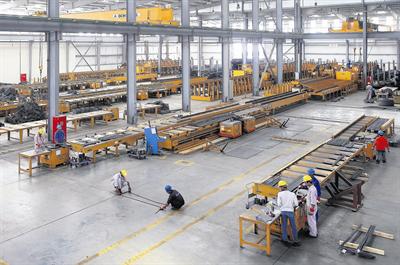
In an attempt to cope with the increasing demands of the region's construction industry, Madar opened its Dh74.9 million factory in Dubai in May last year. The 700,000 sq ft rebar processing plant, located in Dubai Investment Park, has a capacity of around 300,000 tonnes of steel annually and sources its reinforcement steel from Turkey, Qatar, China, Spain, Saudi Arabia and the UAE.
"The Al Fozan Group is a one of the leaders in Saudi Arabia in building materials manufacturing and trading remains our core business. Together with Madar, we have the geographical reach that no one else has," said Hassan.
Madar has expanded its operations to cover the UAE, Qatar, Bahrain, Jordan, Syria, and Sudan.
Service is what differentiates the company from competition, said Hassan.
The company's client roster includes leading developers and contractors in UAE and the rest of the region. The company has reached almost 85 per cent of its capacity.
"We are looking at further expansions in Dubai as well as Abu Dhabi. In Dubai, we plan to extend this facility and are considering which machines to add," said Hassan.
To cope with fluctuating prices, the company keeps an ear to the ground and analyses trends.
"Our sales force keeps us in touch with what is happening out there in terms of projects and its requirements and we work accordingly. It is all about trend reading. People are buying and the prices are not going up. Right now, it is a pause period in terms of prices," said Hassan.
"The trends can be analysed by looking at four factors – raw materials, demand from other parts of the world like India and China, energy prices and freight."
And, according to him, high prices are here to stay.
"No one is anticipating a crash. All the fundamentals are in place to maintain the current trend of prices. Unfortunately, the industry does not have hedging tools. We have the DGCX futures contracts launched since November 2007 and we think it good for the industry but unfortunately the volumes are too small. So until the future contracts are big enough and there is enough liquidity, hedging will be mainly unavailable for the steel industry," he said.
There are currently around 22 players in UAE, according to him, and competition is stiff.
"We all sell the same product but our service is the key differentiating factor. Our delivery is within 24 hours of signing the order. We are trying to stand out on a service platform and on innovation," said Hassan.
"One of the products that we offer is called couplers, which is a highly-efficient way of production. It enhances the tensile strength of steel on site while connecting two bars. This is used everywhere but mainly for high-rise buildings and for horizontal structures where you need longer lengths of bars that need to be connected."
The company is also expecting the first shipment of MMFX to arrive in late August or early September.
"We announced MMFX in February and have partnered with the US-based MMFX Technologies Corporation. This product is five times more resistant than black steel. The soil in this region is corrosive. This steel can be used for waterfront structures, for high rise foundations, bridges and tunnels – in those projects that require a lot of resistance to soil corrosion. It is Grade 100 compared to the grade 60 of most steel. You can use lesser quantities for the building. It makes the steel less messy and facilitates pouring," said Hassan.
Madar is the Middle East's sole distributor for the product but plans are afoot to manufacture MMFX in the region.
Madar is additionally involved in trading in key building materials such as steel, hardware tools for construction, wood and also represent some of the major manufacturers in electrical cables.
The company's client base spans across UAE, Qatar and Saudi Arabia.
"We have warehouses in Dubai, Jebel Ali, Umm Al Quwain and, most recently, in Abu Dhabi. In terms of rebar, contractors are our main buyers of standard and tailor-made wire mesh while our cut and bend steel is used by clients such as Dubai Metro," said Hassan.
While Madar is purely a steel rebar factory that is catering to the construction industry, the parent Al Fozan Group is involved in manufacturing steel in Saudi.
Health priority
The factory features a cut and bend and wire mesh production facility. In keeping with good practice in terms of health, safety and environmental (HSE) issues, Madar de-scales its steel in a confined room reducing the amount of steel dust found in the atmosphere for its workers. It also incorporates a water-based system to collect the steel dust so it can be disposed of in a proper and safe manner.
"This is a practice that is not commonly found in the steel processing industry, and an example of the things we aim to do to lead the way in HSE practices," says CEO Sameh Hassan.
"We also make sure that we pay satisfactory wages. We probably have some of the best facilities in UAE for workers in terms of changing rooms, a cafeteria with catering and offer them a full package. We are now looking at addressing the heat in the factory and make temperatures cooler in summer."
'Super steel'
It is estimated that demand for steel bars in the Emirates alone exceeds 4.5 million tonnes and MMFX Technologies hopes a portion of this demand can be met through its "super steel". The Gulf has one of the world's most corrosive soils. A substantial proportion of the steel rebars used in the region is utilised on reclaimed or 'salty soil' – greatly increasing the need for a corrosion-resistant system for construction.
Speaking to Emirates Business, Sameh Hassan, CEO of Madar Holding said: "There has been a lot of talk of scarcity of steel but that is not true. There is steel available. Maybe sometimes there is a shortage of a particular size or source. But otherwise, in the three years that I have been in this market, there has been no shortage of steel – maybe a shortage of cement. In an open market such as the UAE, you can address any shortage within three weeks. That does not delay a project by six months."
Established in October 2005, Madar Holding is a subsidiary of the Saudi Arabia-based Al Fozan Group, one of the leading names for construction materials in the GCC region. Madar Holding is its arm for operations in the GCC region excluding the home market of Saudi Arabia. By December 2007, Madar's sales turnover exceeded Dh1 billion, and this year it achieved that figure within the second quarter. The company is optimistic about the coming months, with no let up in demand.
In an attempt to cope with the increasing demands of the region's construction industry, Madar opened its Dh74.9 million factory in Dubai in May last year. The 700,000 sq ft rebar processing plant, located in Dubai Investment Park, has a capacity of around 300,000 tonnes of steel annually and sources its reinforcement steel from Turkey, Qatar, China, Spain, Saudi Arabia and the UAE.
"The Al Fozan Group is a one of the leaders in Saudi Arabia in building materials manufacturing and trading remains our core business. Together with Madar, we have the geographical reach that no one else has," said Hassan.
Madar has expanded its operations to cover the UAE, Qatar, Bahrain, Jordan, Syria, and Sudan.
Service is what differentiates the company from competition, said Hassan.
The company's client roster includes leading developers and contractors in UAE and the rest of the region. The company has reached almost 85 per cent of its capacity.
"We are looking at further expansions in Dubai as well as Abu Dhabi. In Dubai, we plan to extend this facility and are considering which machines to add," said Hassan.
To cope with fluctuating prices, the company keeps an ear to the ground and analyses trends.
"Our sales force keeps us in touch with what is happening out there in terms of projects and its requirements and we work accordingly. It is all about trend reading. People are buying and the prices are not going up. Right now, it is a pause period in terms of prices," said Hassan.
"The trends can be analysed by looking at four factors – raw materials, demand from other parts of the world like India and China, energy prices and freight."
And, according to him, high prices are here to stay.
"No one is anticipating a crash. All the fundamentals are in place to maintain the current trend of prices. Unfortunately, the industry does not have hedging tools. We have the DGCX futures contracts launched since November 2007 and we think it good for the industry but unfortunately the volumes are too small. So until the future contracts are big enough and there is enough liquidity, hedging will be mainly unavailable for the steel industry," he said.
There are currently around 22 players in UAE, according to him, and competition is stiff.
"We all sell the same product but our service is the key differentiating factor. Our delivery is within 24 hours of signing the order. We are trying to stand out on a service platform and on innovation," said Hassan.
"One of the products that we offer is called couplers, which is a highly-efficient way of production. It enhances the tensile strength of steel on site while connecting two bars. This is used everywhere but mainly for high-rise buildings and for horizontal structures where you need longer lengths of bars that need to be connected."
The company is also expecting the first shipment of MMFX to arrive in late August or early September.
"We announced MMFX in February and have partnered with the US-based MMFX Technologies Corporation. This product is five times more resistant than black steel. The soil in this region is corrosive. This steel can be used for waterfront structures, for high rise foundations, bridges and tunnels – in those projects that require a lot of resistance to soil corrosion. It is Grade 100 compared to the grade 60 of most steel. You can use lesser quantities for the building. It makes the steel less messy and facilitates pouring," said Hassan.
Madar is the Middle East's sole distributor for the product but plans are afoot to manufacture MMFX in the region.
Madar is additionally involved in trading in key building materials such as steel, hardware tools for construction, wood and also represent some of the major manufacturers in electrical cables.
The company's client base spans across UAE, Qatar and Saudi Arabia.
"We have warehouses in Dubai, Jebel Ali, Umm Al Quwain and, most recently, in Abu Dhabi. In terms of rebar, contractors are our main buyers of standard and tailor-made wire mesh while our cut and bend steel is used by clients such as Dubai Metro," said Hassan.
While Madar is purely a steel rebar factory that is catering to the construction industry, the parent Al Fozan Group is involved in manufacturing steel in Saudi.
Health priority
The factory features a cut and bend and wire mesh production facility. In keeping with good practice in terms of health, safety and environmental (HSE) issues, Madar de-scales its steel in a confined room reducing the amount of steel dust found in the atmosphere for its workers. It also incorporates a water-based system to collect the steel dust so it can be disposed of in a proper and safe manner.
"This is a practice that is not commonly found in the steel processing industry, and an example of the things we aim to do to lead the way in HSE practices," says CEO Sameh Hassan.
"We also make sure that we pay satisfactory wages. We probably have some of the best facilities in UAE for workers in terms of changing rooms, a cafeteria with catering and offer them a full package. We are now looking at addressing the heat in the factory and make temperatures cooler in summer."
'Super steel'
It is estimated that demand for steel bars in the Emirates alone exceeds 4.5 million tonnes and MMFX Technologies hopes a portion of this demand can be met through its "super steel". The Gulf has one of the world's most corrosive soils. A substantial proportion of the steel rebars used in the region is utilised on reclaimed or 'salty soil' – greatly increasing the need for a corrosion-resistant system for construction.