Middle East rice shortages 'to persist'
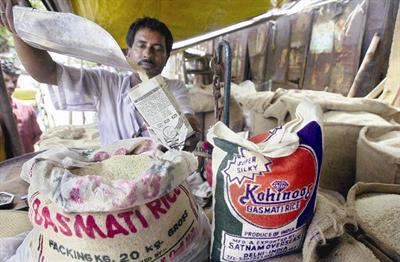
Middle East rice shortages due to export curbs will persist until a new Asian crop and importers are holding back from large deals so as to benefit from any price falls, leading traders and grains importers said.
Jordan, Syria, Iraq, Iran and Turkey and to some extent Gulf states, have imported less rice than normal this year since export
restrictions imposed earlier in 2008 by Asian suppliers along with Egypt, a major regional exporter.
"The whole area is facing rice shortages... until the next crop in September and October supplies will not be available in the normal quantities consumed," one major Middle Eastern rice importer said. Imports are estimated to have fallen by a third from normal levels mainly due to supply constraints, experts say. Iraq, and some private Syrian and Jordanian importers have also delayed buying larger quantities in recent weeks on hopes rice prices will maintain a downward trend from record highs in April on signs of new bumper harvests in Asia.
"We hope to benefit from the signs of big harvests and dismantling of exports. It's only sensible to wait for the harvest to buy large quantities and build stocks," said one Iraqi grain official.
Iraq, which faces a shortfall, has not purchased any rice since June 8 when it bought 30,000 tonnes of Vietnamese rice. But Arab consumers – for whom rice is a major food staple along with bread – will not benefit until mid-October or early November at least from the forecast lower prices.
They will continue to feel the pinch as most stock supplies available were bought at price levels that nearly trebled earlier this year after curbs by countries from India to Vietnam to hold inflation contributed to tight global supply.
Inflation saw countries such as Jordan, Syria and Lebanon and even Turkey increasingly shifting consumer demand away from expensive medium grain rice traditionally sought from the US and Australia to cheaper Asian long grain rice. In the last few months average price levels of American medium grain have hovered around $1,500 (Dh5,005) per tonne c&f compared to $900-$1,000 per tonne for Thai and Vietnamese rice.
Traders say another reason for higher demand for Asian rice are Egypt's export curbs on its medium grain calrose variety. Arab Gulf and Iraq consumers already traditionally favour long grain Thai, Indian and Pakistani rice for their cuisine.
Grains dealers at major commodity firms say the quantities now bought into the Middle East from Asia are mainly 5,000 tonnes cargoes shipped in containers.
In the absence of major deals, the only signs of a pick-up in demand were small deliveries expected by the end of August in time for the Muslim fasting month of Ramadan when traditionally food consumption levels rise.