News
Gold prices likely to come down, say analysts
img_08102008_1965f0e7-5788-4613-ad96-6b87d76d6b70.jpg
Gold merchants in Dubai are expecting the price of the precious metal to come down in the short term and remain stable in the near future due to the easing of political tension in the Middle East, strengthening of the dollar and profit booking by speculators and gold investment funds.
People in the gold and jewellery industry Emirates Business spoke to said a variety of factors – both economic and, mainly, political – are responsible for the fluctuations in the price of the yellow metal.
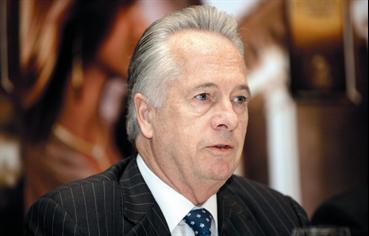
"Gold prices came down to $850 per ounce on Saturday, which is still a very high price compared to the production cost of around $500 per ounce. This decline in the price corresponds to the decline in crude oil prices from $140 per barrel to $114. More than economic factors, it was the political uncertainty surrounding Iran that caused fluctuations in crude prices," said M M Ramachandran, Chairman of Atlas Jewellery, Dubai.
According to him, gold sales in Dubai have shot up substantially, mainly because of declining prices and the increased inflow of foreign tourists.
"Almost all Emirates' flights are full and tourists, including from the United States and Europe, are coming to Dubai in large numbers for their summer vacations. Expatriates from Dubai leaving on vacation are also buying gold and the easing of gold prices has caused our sales to double," Ramachandran said.
While some jewellers have individual promotions, many outlets are participating in the umbrella gold promotions of the Dubai Summer Surprises (DSS). More than 300 jewellery outlets across Dubai are taking part in the promotions organised by the Dubai Gold and Jewellery Group, offering customers a chance to win jewellery vouchers worth Dh10,000 daily and Dh50,000 weekly.
The Dubai Multi Commodities Centre (DMCC) said gold trade through Dubai reached $13.07bn in the first half of 2008 – an increase of 48 per cent from the $8.84bn recorded during the same period in 2007. In the first six months of 2008, a total of 265 tonnes of gold were imported into Dubai. During the same period, gold exports from Dubai reached 179 tonnes – up 26 per cent from the 142 tonnes in 2007.
Ian MacDonald, Executive Director for Gold and Precious Metals, DMCC, said: "Demand for gold has been resilient to global market conditions. Despite high volatility in prices, gold trade through Dubai continued to surge, reiterating the emirate's prominence as a global centre for gold and precious metals. "The sharp rise in prices seen earlier this year has been a prime driver in improving export volumes, and has boosted the role of gold as an inflation-hedging instrument. Given the current bullish sentiment of investors and gold's "safe haven" status, the outlook for gold trade is promising."
A source from Malabar Gold's wholesale division said the gold market is closed for two days and the company's market feedback is that the gold rates will go up further tomorrow. "Our feedback is that despite the recent decline in gold prices, the market will open strong on Monday with higher gold prices. The crude price movement will again be volatile due to new developments and tensions," he said. He added that gold traders are cautious about gold price volatility, but the additional five per cent charged for fixing the price is encouraging many to opt for the risky uncovered positions.
According to Ramachandran, many commodity dealers are offering to make a profit from gold sales on behalf of jewellers but he leaves 35 per cent of his gold volume unfixed.
"If I deal with 2000kg of gold, I will leave 700kg unfixed as a calculated risk. Depending on the price fluctuation, the jeweller can make a profit or loss."
Gold price averaged $910 per ounce during the first half of 2008, up from $650 per ounce during the same period in 2007. In the second quarter of 2008, gold trade grew by 26 per cent to reach $6.01bn from $4.764bn in the same period in 2007. In the second quarter of 2008, Dubai imported 143 tonnes of gold and exported 64 tonnes. In terms of trading partners, India, Switzerland and Canada were top importers from Dubai, while India, Malaysia and Switzerland were top exporters to Dubai.
Ramachandran also said the region would witness more initiatives in a shift towards gold exchange traded funds (ETF).
Earlier this year, DMCC, in association with the World Gold Council, launched Shariah-compliant gold shares, the first dollar-priced security of its kind to be listed on the Dubai International Financial Exchange.
RECORD LEVEL
The price of gold touched record levels of more than $1,000/oz in mid-March resulting in a drop in demand for the yellow metal in the first quarter of 2008, the World Gold Council (WGC) has reported.
The total identifiable demand fell by 16 per cent in tonnage terms from their levels a year earlier to 701.3 tonnes – the lowest for five years. In value terms, though, there was a 20 per cent gain to $20.9 billion, more than double the level of four years earlier.
Consumer demand in the Middle East was 16 per cent lower than the previous year and jewellery sales, which account for 90 per cent of the gold off-take in region, declined by 19 per cent.
High and volatile prices deterred jewellery buyers in Saudi Arabia (down 26 per cent), the UAE (down 22 per cent) and other Gulf countries (down a combined 31 per cent).
In value terms, jewellery buying was six per cent higher than a year earlier in Saudi Arabia, 11 per cent higher in the UAE and essentially unchanged in the group of other Gulf countries.
The WGC said: "Early indications are that gold demand will remain muted in the second quarter due to slow down in United States and European demand, but the Indian festival season and the Middle East and Indian wedding season, coupled with decline in gold prices, would result in more gold sales."
Reduction in the exceptionally high volatility would also generate demand. It said retail investors in the traditional bar and coin market were enthused by the decline in prices and the Exchange Traded Funds reported a net outflow.
The report said the first quarter jewellery demand declined 21 per cent year-on-year to 445.4 tonnes, the lowest quarterly level on record since 1993. In dollar terms this equated to a rise of 12 per cent, reaching $13.2bn.
The report said industrial and dental demand declined by five per cent to 110.3 tonnes, primarily in response to the slowing US economy.
Gold supply rose by six per cent in tonnage due to higher scrap levels. In India consumer demand fell by half to 102.1 tonnes. Jewellery and investment demand, at 71.1 tonnes and 31.0 tonnes respectively, were half the levels of first quarter in 2007.
People in the gold and jewellery industry Emirates Business spoke to said a variety of factors – both economic and, mainly, political – are responsible for the fluctuations in the price of the yellow metal.
"Gold prices came down to $850 per ounce on Saturday, which is still a very high price compared to the production cost of around $500 per ounce. This decline in the price corresponds to the decline in crude oil prices from $140 per barrel to $114. More than economic factors, it was the political uncertainty surrounding Iran that caused fluctuations in crude prices," said M M Ramachandran, Chairman of Atlas Jewellery, Dubai.
According to him, gold sales in Dubai have shot up substantially, mainly because of declining prices and the increased inflow of foreign tourists.
"Almost all Emirates' flights are full and tourists, including from the United States and Europe, are coming to Dubai in large numbers for their summer vacations. Expatriates from Dubai leaving on vacation are also buying gold and the easing of gold prices has caused our sales to double," Ramachandran said.
While some jewellers have individual promotions, many outlets are participating in the umbrella gold promotions of the Dubai Summer Surprises (DSS). More than 300 jewellery outlets across Dubai are taking part in the promotions organised by the Dubai Gold and Jewellery Group, offering customers a chance to win jewellery vouchers worth Dh10,000 daily and Dh50,000 weekly.
The Dubai Multi Commodities Centre (DMCC) said gold trade through Dubai reached $13.07bn in the first half of 2008 – an increase of 48 per cent from the $8.84bn recorded during the same period in 2007. In the first six months of 2008, a total of 265 tonnes of gold were imported into Dubai. During the same period, gold exports from Dubai reached 179 tonnes – up 26 per cent from the 142 tonnes in 2007.
Ian MacDonald, Executive Director for Gold and Precious Metals, DMCC, said: "Demand for gold has been resilient to global market conditions. Despite high volatility in prices, gold trade through Dubai continued to surge, reiterating the emirate's prominence as a global centre for gold and precious metals. "The sharp rise in prices seen earlier this year has been a prime driver in improving export volumes, and has boosted the role of gold as an inflation-hedging instrument. Given the current bullish sentiment of investors and gold's "safe haven" status, the outlook for gold trade is promising."
A source from Malabar Gold's wholesale division said the gold market is closed for two days and the company's market feedback is that the gold rates will go up further tomorrow. "Our feedback is that despite the recent decline in gold prices, the market will open strong on Monday with higher gold prices. The crude price movement will again be volatile due to new developments and tensions," he said. He added that gold traders are cautious about gold price volatility, but the additional five per cent charged for fixing the price is encouraging many to opt for the risky uncovered positions.
According to Ramachandran, many commodity dealers are offering to make a profit from gold sales on behalf of jewellers but he leaves 35 per cent of his gold volume unfixed.
"If I deal with 2000kg of gold, I will leave 700kg unfixed as a calculated risk. Depending on the price fluctuation, the jeweller can make a profit or loss."
Gold price averaged $910 per ounce during the first half of 2008, up from $650 per ounce during the same period in 2007. In the second quarter of 2008, gold trade grew by 26 per cent to reach $6.01bn from $4.764bn in the same period in 2007. In the second quarter of 2008, Dubai imported 143 tonnes of gold and exported 64 tonnes. In terms of trading partners, India, Switzerland and Canada were top importers from Dubai, while India, Malaysia and Switzerland were top exporters to Dubai.
Ramachandran also said the region would witness more initiatives in a shift towards gold exchange traded funds (ETF).
Earlier this year, DMCC, in association with the World Gold Council, launched Shariah-compliant gold shares, the first dollar-priced security of its kind to be listed on the Dubai International Financial Exchange.
RECORD LEVEL
The price of gold touched record levels of more than $1,000/oz in mid-March resulting in a drop in demand for the yellow metal in the first quarter of 2008, the World Gold Council (WGC) has reported.
The total identifiable demand fell by 16 per cent in tonnage terms from their levels a year earlier to 701.3 tonnes – the lowest for five years. In value terms, though, there was a 20 per cent gain to $20.9 billion, more than double the level of four years earlier.
Consumer demand in the Middle East was 16 per cent lower than the previous year and jewellery sales, which account for 90 per cent of the gold off-take in region, declined by 19 per cent.
High and volatile prices deterred jewellery buyers in Saudi Arabia (down 26 per cent), the UAE (down 22 per cent) and other Gulf countries (down a combined 31 per cent).
In value terms, jewellery buying was six per cent higher than a year earlier in Saudi Arabia, 11 per cent higher in the UAE and essentially unchanged in the group of other Gulf countries.
The WGC said: "Early indications are that gold demand will remain muted in the second quarter due to slow down in United States and European demand, but the Indian festival season and the Middle East and Indian wedding season, coupled with decline in gold prices, would result in more gold sales."
Reduction in the exceptionally high volatility would also generate demand. It said retail investors in the traditional bar and coin market were enthused by the decline in prices and the Exchange Traded Funds reported a net outflow.
The report said the first quarter jewellery demand declined 21 per cent year-on-year to 445.4 tonnes, the lowest quarterly level on record since 1993. In dollar terms this equated to a rise of 12 per cent, reaching $13.2bn.
The report said industrial and dental demand declined by five per cent to 110.3 tonnes, primarily in response to the slowing US economy.
Gold supply rose by six per cent in tonnage due to higher scrap levels. In India consumer demand fell by half to 102.1 tonnes. Jewellery and investment demand, at 71.1 tonnes and 31.0 tonnes respectively, were half the levels of first quarter in 2007.