Panic leads to selling pressure on Dubai index
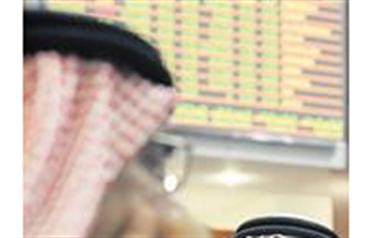
Dubai Financial Market is projected to continue on the down side after it failed to maintain its upward trend in yesterday's trading, incurring a loss of 58.58 points, or 1.17 per cent, with a closing of 4956.23 points.
The brief buoyancy and the sideway movements that were the main signals during the previous two sessions were reversed yesterday. There were profit-taking and selling pressures during yesterday's trade, which gave indications to analysts that this downturn trend would continue during the next few sessions.
However, the index is still above its critical support level of 4550 points despite it breaking through its psychological support level of 5000. The negative factors in the market were the high increases in trade values and volumes during the downturn movement. Trade value reached Dh753.7 million, around 45 per cent more than its value in the previous session, while the volume also surged to 220.6m shares, more than a 35 per cent increase compared to Tuesday's volume.
All components in the index either declined or remained unchanged, with the real estate sector suffering major loses of 1.77 per cent, followed by the transportation sector, down by 1.44 per cent, and the telecommunications sector, losing 1.17 per cent. Real estate companies showed high selling pressures on the index as Emaar declined by 1.33 per cent to close at Dh9.61, while Union Properties topped the list of losers after it declined by 5.88 per cent to close at Dh4.32. The banking sector added more pressure on the index with Amlak, Tamweel, DIB and ENBD all declining.
"The DFM opened trading on the upward side and reached the level of 5070 points, but it failed to continue this trend due to low turnover during the first hour of trading. The index turned to slide triggering selling pressures, which dragged the it down to break its support level at 5000. It continued the decline to close very near its critical level of 4950 points. The turnover increased during the downturn and this may lead to more losses on the index as the next support level is 4700 points," said Mohamad Al Beheiri, head of trading at Amana Financial Services.
"The market was fluctuating sideways during the last seven sessions without breaking the resistance level of 5100. During the upward correction, the turnover was very low, giving mixed indications of the trend in the market and, accordingly, the index could not hold on to these levels and went down. This is creating high volatility because the index can go further down to historical low levels, even below the next support level of 4700 points," Al Beheiri said.
"Despite the increasing turnover in the market, the concentration was on a few stocks, such as Air Arabia and Ajman Bank. This will lead to more speculations," he said
Beheiri said leading stocks were creating high pressures on the index, especially real estate and banking stocks, and this selling pressure would increase the potential for a decline in the index.
Wadhah Al Taha, a senior market analyst, agreed that the DFM failed to maintain its upward trend because the trend was fragile and needed strong liquidity in the market to support it for a longer time.
"At the beginning of trading, the index gained around one per cent, but it could not continue this trend. The downturn in the index triggered fears among small investors and this created sharp selling pressures. Also institutional investors were implementing rules to limit their loses, especially those who are trading on the margin, and they increased the selling pressures," he explained. "There is no harmony between prices and turnover, so any selling pressures will affect the index due to the high volatility in the market, especially on leading stocks. Negative sentiment has suddenly increased in the market and we hope the index will be able to continue moving around the 4950 point mark," he said.
Tadawul marginally up
Saudi Arabia's Tadawul All Share Index advanced 0.5 per cent, bringing the eight-day surge to 7.4 percent. Oman's Muscat Securities Market 30 Index increased 0.5 per cent, rising for a seventh day.
The Kuwait Stock Exchange Index added 0.1 per cent. The Bahrain All Share Index fell 0.4 per cent, dropping for a fourth day.
Ekttitab Holding Company added 0.9 per cent to 220 fils, bringing the three-day gain to 7.8 per cent.
The Kuwaiti investment firm denied having any information that justifies the shares' jump, according to a statement on the Web site of the Kuwaiti bourse.