Saudi bourse to name 5% stakeholders
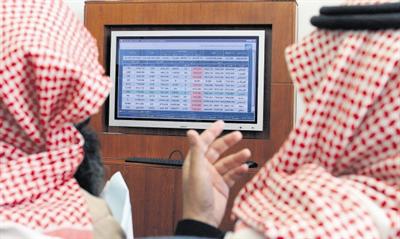
The names of investors with stakes of five per cent or more in firms listed in Saudi Arabia are to be published starting this month to boost transparency, the market operator said.
Saudi Arabia's stock market, the largest in the Arab world, is dominated by day traders and has been trying to improve transparency and gain more institutional investors since a market crash in 2006.
Like other Gulf Arab exchanges, the Saudi market – the worst performer in the Gulf Arab region this year – has been tainted by allegations of insider trading and manipulation of stock prices. A list of the largest shareholders in publicly traded Saudi firms would be updated at the close of trading each day beginning on August 16, the operator, Tadawul, said in a statement on its website.
"This service by Tadawul aims to increase the level of transparency and disclosure in market dealings," it said.
"Investors would have information about who owns large holdings – this would assist in enhancing confidence among investors to make them take correct investment decisions."
The new disclosure rule could be interpreted negatively by Saudi investors, some of whom may not want to have their holdings made public, said John Sfakianakis, chief economist at SABB bank, HSBC's Saudi affiliate.
"On the regulatory side this is a positive step... but the market might perceive this with a certain ambivalence," he said.
"Some people might not want to reveal their ownership so they might decide to sell." When Saudi Arabia decided to cancel an evening trading session in late October 2006, the index tumbled almost 25 per cent in less than two weeks.
The index also dropped more than four per cent in one day earlier this month after the exchange said it plans to adopt a more flexible pricing system to better reflect what investors deem to be the fair value of stocks.
The new disclosure rule could help the regulator dispel rumours that big retail traders are behind rapid fluctuations in share prices, a common assumption in the market, Sfakianakis added. "In many ways it is going to be used as a counter argument to those who say that it is the fat cats or the big fish who manipulate the market," he said.
Most Gulf nations place restrictions on investors from outside the region buying shares. Saudi Arabia has been the least open, allowing only investors in the Gulf region to invest directly in stocks. The Saudi stock market regulator said last December the kingdom would gradually begin allowing foreign money in through licensed firms.
That month, HSBC said it was launching two indexes and associate funds to give global investors exposure to Saudi Arabian equities. These include Saudi Basic Industries Corp, the world's biggest chemicals firm by market value.
Stocks fall
Saudi Arabian shares on the Tadawal exchange fell for a seventh straight day yesterday, led by Saudi Telecom Company, the Kingdom's biggest phone company, and Samba Financial Group. The Tadawul All Share Index declined 1.2 per cent to 8,633.5. The index has lost 22 per cent this year.
Saudi Telecom fell 4.6 per cent to 62.25 riyals, while Samba, the Kingdom' second-biggest publicly-traded bank, dropped three per cent to 64.75 riyals. Samba was cut to a "hold" from a "buy" by Global Investment House KSCC, which estimated its price at 77.6 riyals.