Big name advertisers fail to clinch Beijing gold
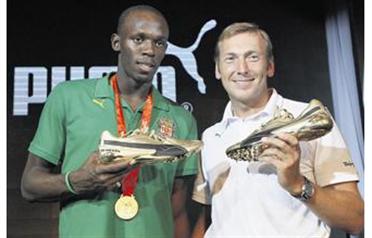
Advertisers at the Beijing Olympics staged more upsets in marketing their brands than athletes on the field, point out industry experts.
The 12 official sponsors of the Beijing Olympics shelled out $860 million (Dh3.16 billion) to get their share of exposure at the event. But ambush advertising, more prominent than ever before at the Games, seemed to have not only denied the official sponsors their fair share of exposure, but in fact provided a platform for non-official brands and companies much more at a fraction of the cost.
Nike and Adidas are two of the major sponsors who carpet-bombed the Games with endorser-athletes and high-profile sponsorship deals, but smaller competitors such as Speedo and Puma achieved greater surges in awareness and buzz by backing a smaller group of athletes who just happened to dominate the Games and much of the conversation surrounding them.
Speedo scored the Games biggest coup, thanks to the record-breaking feats of swimmer Michael Phelps, whose eight gold medals dominated coverage of the Games. The hero of two of Phelps' relay victories was a Nike-endorsing swimmer, Jason Lezak, who was wearing a Speedo LZR racer suit with Nike's blessing.
Speedo-suited swimmers have been performing better than the conventional swimmers long before the Games, but the medal haul by the swimmers at Beijing led to a 128 per cent boost in global online chatter about the brand, according to a study conducted by Zeta Interactive during and after the Games. Records show that Speedo-suited swimmers won nearly 90 per cent of the swimming medals.
Speedo gained additional advantage thanks to the record-breaking performance by Phelps. The story was not sport and Olympics, but Phelps grabbing record-breaking eight gold medals at the aquatics. Both the sporting brands Nike and Adidas have very little to contribute in the aquatics in comparison to Speedo.
"The biggest challenge for Nike is that they weren't a player at all in swimming, and, because of Phelps, swimming was the story. Just about everybody else was left out of that," said Wally Hayward, chief executive officer of Relay Worldwide, a Publicis-owned sports-marketing agency.
Nike and Adidas figured to loom larger once the Games climbed out of the pool and onto the track, but Jamaican sprinter Usain Bolt – a Puma endorser – shattered those plans by setting world records in the 100- and 200-metre dashes, becoming the first athlete to do so since Nike's Carl Lewis in 1984.
That Bolt set the record in the 100 metres despite celebrating during the last 10 metres of his run only added to the intrigue surrounding him. The top track hopes for Nike and Adidas – sprinters Asafa Powell and Tyson Gay and hurdler Liu Xiang – suffered letdowns and injuries.
Bolt's success sent interest in Puma soaring, as online chatter about the brand soared 64 per cent during the Games. Nike and Adidas saw modest surges of 18 per cent and 17 per cent apiece, despite dramatically outspending Speedo and Puma and sending a small army of high-profile athletes to Beijing to help hawk their wares.
Of the companies that entered the Games as household names, data showed that Visa posted the biggest gains, particularly during the first week of competition, as its ads featuring Morgan Freeman's voice and scenes of past Olympics moments seemed to resonate.
McDonald's, on the other hand, was relatively flat. It was pretty ubiquitous to begin with, and it has a bit of a credibility gap when it comes to marketing in sports as a healthy-lifestyle brand.
Off the field, official sponsors fared better.
A study, which interviewed 5,000 international consumers each day of the Olympics, found that people tended to hear more about the top-level International Olympic Committee sponsors during the Games and that the bulk of what they heard was positive.
The biggest payoffs, however, went to lesser-known names such as Lenovo and Omega, which were not previously as well-known to international consumers present at the Games.
While the results of the events can provide a boost to sales in their immediate aftermath, the official status of Nike (via the many Olympic teams it sponsors) and Adidas probably helped both marketers make sizable gains in the crucial Chinese market in the months leading up to the Games, so their efforts were not exactly at loss.