Burberry in joint venture with Jashanmal
The UK-based global luxury company Burberry Group has formed a joint venture with the UAE-based Jashanmal Group covering parts of the Middle East with its longstanding franchisee.
The joint venture has created a new company, Burberry Middle East, headquartered in Dubai. Burberry Middle East will manage all Burberry retail and wholesale distribution within the UAE markets including Dubai and Abu Dhabi, as well as Qatar, Oman and Kuwait under a 15-year agreement.
The joint venture will enable Burberry and Jashanmal to capitalise more quickly on opportunities in parts of the Middle East while increasing investment in this proven region. Year-to-date comparable store sales in these countries have increased by more than 40 per cent, demonstrating the growth potential of the market.
Angela Ahrendts, CEO of Burberry, said: "Jashanmal has been a trusted partner in the Middle East and has built a very successful Burberry business for more than 10 years. We are excited by this new joint venture with them, giving us the opportunity for an even stronger collaboration in this high growth, under-penetrated market. Jashanmal has proven expertise having operated significant retail, wholesale and distribution businesses in the Middle East for many years."
Gangu Batra, Group President of Jashanmal, said: "Burberry is an iconic brand with a heritage in the luxury sector. We have worked well together in the past and are delighted to develop our partnership further through this joint venture. Burberry is one of the best known and most popular brands in the region and we see significant opportunities ahead."
The first Burberry store in the Middle East opened in 1997 in Dubai under a franchise agreement with Jashanmal. There are currently eight stores in the joint venture, with a further four planned for the current financial year. Of these, two will be dedicated childrenswear stores, a product category which is a key growth area for Burberry.
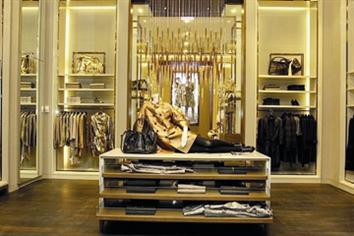
Burberry Middle East has recently opened its largest store in The Dubai Mall. This flagship store carries Burberry Prorsum and Burberry London Collection ready-to-wear and accessories. It is the first time Burberry Prorsum menswear has been available in the Middle East.Jashanmal opened its first store in 1919 and built operations in Kuwait, Bahrain, Dubai and Abu Dhabi over the following decades. Its retail division operates a chain of seven department stores and various international franchises. Jashanmal's wholesale division was created in 1964. This division is responsible for the distribution of major global brands to 2,500 retailers in the UAE.
Burberry H1 net rises
British luxury goods company Burberry Group has reported a 13-per cent rise in first half net profit, but its shares dropped as it said second-half business was proving more difficult, particularly in the US.
Burberry, known for its distinctive beige plaid, posted net profits of £74.8 million (Dh412m) for the six months to September 30, up from £66.1m a year ago.
Revenue rose 20 per cent to £539.1m, boosted by demand from well-heeled tourists and sales of the company's handbags, from £449.1m.
CEO Angela Ahrendts said the fundamentals of the firm "remain strong, despite the challenging environment".
But the group added the US has "become a more challenging market" in the second half of the year.
"In US retail, a higher proportion of sales is now going through outlets at a lower gross margin, it said in a statement to the London Stock Exchange. "In the US wholesale, Burberry anticipates lower department store reorders." The poor outlook sent the company's shares down as much as 18 per cent in early trade, the biggest fall since it was listed on the London Stock Exchange in 2002. By afternoon, the stock had recouped some losses, but was trading down 7.7 per cent at 184.75 pence.
Luxury goods groups have so far proved relatively resilient to the global economic slowdown, helped by demand from rising middle classes in emerging markets, but there are signs the sector is being hit as talk turns to a global recession. (AP)