GCC unlikely to modify fiscal union deadline until next year
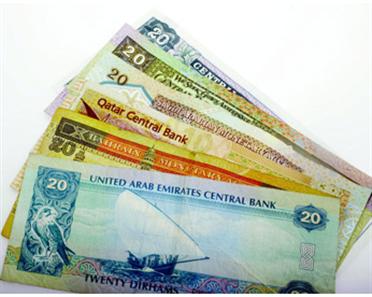
The Gulf Co-operation Council (GCC) states are unlikely to decide on a new deadline to launch a single currency until next year as the 2010 target for monetary union becomes "difficult", Bahraini Central Bank Governor said yesterday.
"It's not about putting up arbitrary dates," said Rasheed M Al Maraj.
"Now we have come to a stage where we have almost completed our draft monetary agreement. This is a major milestone toward reaching our objectives."
Asked when Gulf states could revise the 2010 target, Maraj said: "I don't think this is going to be decided this year. Next year we will have a better or clearer picture."
Maraj sees no reason to switch away from the dinar's dollar peg, but the Gulf Cooperation Council has yet to decide on arrangements for its future unified currency.
He said the central bank would do "whatever it takes" to bring down inflation, and pointed to the option of hikes in the reserve ratio as a means of doing so.
But he emphasised the impact of the nation's speedy economic growth rate on price gains, and said he was not prepared to put the economy into reverse to stamp out inflation. The central bank has to balance the risk of price pressures with its priorities of economic growth and job creation, he said.
"So far, we have seen no reason to change our policy" on the Bahrain dinar's peg with the dollar, Maraj said.
While the effects on inflation due to the weakening of the dollar cannot be ruled out, countries globally – no matter what the nature of their currency pegs are – are witnessing higher inflation, he added.
"It is not as if, if we change to a basket of currencies our inflation will go away," Maraj said. "People are fixing on this issue, but we have to make our policy to suit our economic conditions as a country."
With regards to whether he would favour sticking to a dollar peg for the GCC's unified currency when it becomes a reality, Maraj said it was "something to be decided". So far, GCC members have been preoccupied with the more basic framework and legal issues surrounding the adoption of a common currency, he said, adding that the issue of pegs was not yet "on the table".
Maraj expressed concerns on the concentration of risk within Islamic banks and said the central bank is finalising new directives for the industry. He said the central bank was in the process of consulting with banks to help make them more aware of the need for diversified portfolios.
"In this instance, we will be issuing a new directive, but according to our law before we issue any directives we have to consult with the industry in order to prepare them and to listen to their views," Maraj said.
"This is coming soon. We have discussed this with them for the last few months."