US clashes with China and India on tariffs
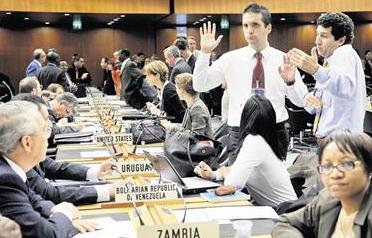
A clash between the US and two big emerging markets, China and India, over cutting farm and industrial tariffs threatened to derail more than a week of work to salvage a world trade deal.
China and India's "actions have thrown the entire Doha Round, the Doha Development Round, into the gravest jeopardy of its nearly seven year life," US trade official David Shark told World Trade Organisation (WTO) members yesterday.
Shark accused both India and China of rejecting key elements of a delicately crafted package of compromises put together last week by WTO Director-General Pascal Lamy.
"Unless these two members immediately reverse course to become problem solvers rather than obstacles to the round, all of us will leave Geneva empty-handed," said Shark, deputy US ambassador to WTO.
WTO officials said what had already been agreed in the talks far outweighed remaining differences.
Top trade officials from around 30 key WTO members have been in Geneva since last Monday to try to agree on terms for cutting farm subsidies and tariffs on agricultural and manufactured goods that were originally supposed to be decided in 2003. The US, under pressure to cut its farm subsidies and tariffs in core markets such as autos and clothing, insists developing countries make significant market openings in return.
In manufacturing it wants China, India and others to agree to "sectoral" negotiations, in which a critical mass of countries would agree to cut tariffs to as close to zero as possible for industries ranging from jewellery to chemicals.
The European Union urged countries to find compromises. "We now need real leadership in the final moments to avoid squandering what has been achieved over the past seven years," said a spokesman for EU Trade Commissioner Peter Mandelson. WTO members endorsed the idea of "voluntary" sectoral agreements at ministerial meetings in Hong Kong in 2005.
China and India object to a provision in the new compromise which encourages countries to participate in at least two sectoral talks by allowing them to take smaller cuts in their other industrial tariffs.