Nepal assemby set to pick Maoist chief for PM
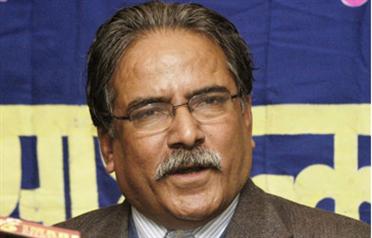
After weeks of political battles, Nepal's special assembly will choose a new prime minister on Friday that is widely expected to be the Maoist chief Prachanda.
The assembly vote is a key step in a 2006 peace deal that ended a civil war against the monarchy -- a conflict which caused more than 13,000 deaths since 1996.
After signing the peace deal, Prachanda jettisoned his war rhetoric and the Maoists won the election on the promise of creating a new Nepal.
Prachanda says Nepali Maoists are not "dogmatic communists" and globalisation is a fact of life. He has promised land to tillers in a country where 80 percent of the 26.4 million people live on farm income.
Although Sher Bahadur Deuba, a three-time former prime minister from the centrist Nepali Congress party, is also contesting the post, it is likely to go to Prachanda, who led the decade-long war.
The Maoists control 227 seats in the assembly that currently has 595 members and the winner must get at least 298 votes. The Maoists say they have the support of the Communist UML party and the Madheshi People's Rights Forum that jointly control another 160 votes. Some other smaller parties were also expected to support the Maoists.
"We'll respect the aspirations of the Nepali people for peace," the bespectacled Prachanda flanked by his new allies told reporters after putting in his papers for election on Thursday.
"And we'll work for the preparation of a new constitution and for the forward-looking transformation of the society."
The new constitution would cap a peace process that began two years ago.
The Maoists scored a surprise win in a special assembly election in April but did not get a parliamentary majority, prompting a battle for power that left Nepal struggling to form a new government four months after the polls.
"We'll try to bring other political parties on board as well," Prachanda said.
But the Nepali Congress, the second biggest party in the assembly, has refused to join the Maoists.
It says the former rebels were yet to shun violence completely and return the property seized during the conflict in line with their commitment in the peace deal. The Congress has ruled Nepal for most of the past 18 years and says it will sit on the opposition bench.
The Maoist-led new government faces the tricky task of rehabilitating more than 19,000 former guerrillas housed in 28 UN-supervised camps and arrange for more than 200,000 people displaced by the conflict to return home.
This is the key for lasting peace in a nation emerging from the conflict and years of political turmoil.
Impoverished Nepal, tucked between Asian giants, China and India, also faces shortages of fuel, food inflation, rising unemployment and growing crime.
The assembly, which is meant to write the new constitution within two years and doubles as an interim parliament, abolished the 239-year-old monarchy and declared the mountainous nation a republic in May.