Ex British PM Blair slammed successor Brown in memo
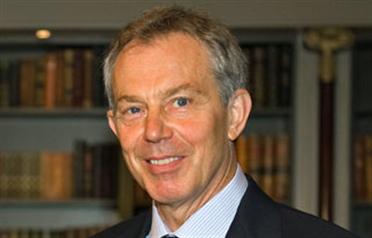
The report comes with Brown and his ruling Labour Party languishing in the opinion polls, having suffered defeats in three by-elections in as many months, as observers predict the premier has until the party's annual conference in September to launch a fightback.
In the memo, which the weekly said was written last autumn, Blair attacked what he described as a "lamentable confusion of tactics and strategy."
"We dissed our own record," he apparently wrote.
"Instead of saying we are building on the achievements, confronting new challenges, we joined in the attack on our own ten years - a fatal mistake. We junked the TB (Tony Blair) policy agenda but had nothing to put in its place."
According to the Mail on Sunday, which said it obtained the memo, Blair also wrote that Conservative leader David Cameron "was in trouble long before TB left", though his party is now as many as 20 percentage points ahead of Labour in various polls.
The weekly said a watered-down version of the memo was sent to Brown himself, but did not say who the original draft was addressed to.
A spokesman for Blair's office declined to comment on whether or not the memo was genuine, only saying that the ex-premier "continues to be 100 per cent supportive of Gordon Brown and the government."
Blair now represents the Middle East Quartet - the European Union, Russia, the United Nations and the United States - which is driving negotiations for a lasting peace deal between Israel and the Palestinians.
Foreign Secretary David Miliband last week wrote an article that many interpreted as a sign he might challenge Brown for the premiership, though he gave the prime minister his backing in the following days.
In the News of the World weekly tabloid on Sunday, meanwhile, finance minister Alistair Darling, Labour's deputy leader Harriet Harman and Skills Secretary John Denham all said they supported Brown.
The frenzy surrounding Brown's future has refused to die down since last month's defeat in the Glasgow East constituency, until then a Labour stronghold, and an anonymous briefing campaign was well under way soon after.
Brown became Labour Party leader unchallenged in June last year, taking over from its most successful leader, Blair, who took the party to the centre ground and won three straight general election victories.
A quirk of the British political system meant that as leader of the largest party in parliament, Brown then became prime minister without a general election having to be called.