Zimbabwe issue drags
Even after two days of intense discussions, the executive committee of the International Cricket Council (ICC) failed to arrive at a consensus on the issue of removing the African country as a full member of the world cricket body.
At the end of the second day of the executive committee meeting, being held here as part of the five-day ICC Annual Conference, President David Morgan and acting CEO Dave Richardson said the issue will be discussed again today, which happens to be an extra, unscheduled day.
The ICC members are at loggerheads over Zimbabwe, with England and South Africa proposing their expulsion, while the Asian Bloc countries, led by financial powerhouse India, are against a ban.
Any move to oust Zimbabwe would require a two-third majority vote – essentially seven votes from the 10 full members of the ICC.
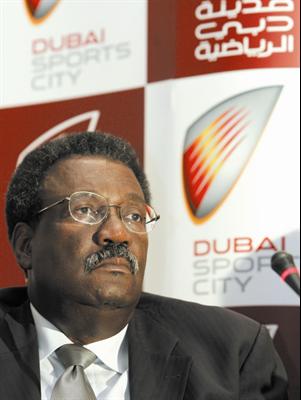
However, the board reached agreement on various other issues, including changing the result of the forfeited England-Pakistan Test match at The Oval to a draw; election of former West Indies captain Clive Lloyd as the new Cricket Committee chairman replacing Sunil Gavaskar; and the introduction of a one-over 'eliminator' to replace bowl-outs in case of a tie in a Twenty20 match.
The ICC executive committee's decision means England won the four-Test series against Pakistan in 2006 by 2-0, instead of 3-0.
"The board's decision was based on the view that in light of the unique set of circumstances, the original result of the match was felt to be inappropriate," the ICC said in a statement.
When asked if this would set a precedence for teams to walk out on umpiring decisions, Richardson said: "Certainly, we'd hope that the unique situation that led to those circumstances, happened only once in 138 years, and they won't occur again."
The board also decided on another security check in Pakistan after the ongoing Asia Cup to get a better understanding of the security situation there before the ICC Champions Trophy.
Another decision made was to ratify the two-year ban imposed on Marlon Samuels for match-fixing by the West Indies board.