Chinese checkers
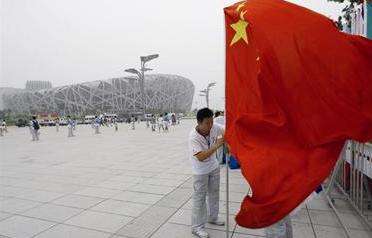
The cloud that hangs over the 29th Olympic Games is much more than the dense smog that blankets Beijing.
In the run up to sport's most glittering and comprehensive event, little attention has been paid to the athletes taking part.
Fears about pollution, terrorism and human rights infringements have muddied China's reputation when hosting one of the greatest shows on earth was supposed to change the way the world views the nation.
Intensely secretive and draconian, the country's Communist regime has been vehemently attacked in recent months, with some questioning the International Olympic Committee's choice to let China house the 16-day event.
Amnesty International published a report on Monday detailing how China has "betrayed" the values of the Games. The 17-page dossier cited the country's stance on the death penalty, detention without trial, persecution of rights activists and a lack of media freedom as reasons for their condemnation.
It charted 250 reported instances of interference with foreign correspondents' work, something that China specified as an area of concern ahead of the Olympics. Temporary regulations were put in place, but Amnesty argue that promises to increase media independence have not materialised.
As China defends itself against the report, the threat of terrorist attack still looms large. A recent spate of explosions in cities across the country has heightened fears that Beijing will be targeted in the next month.
Officials moved to alleviate alarm by claiming to have disarmed a plot to attack a Shanghai football venues and succeeded in cracking 12 terrorist cells in the Xinjiang region. But, even with a 100,000-strong anti-terrorist force deployed in Beijing, the the anxiety surrounding the Games has not diminished.
And while trust and terror deflect attention from the competing athletes, the subject of pollution is causing a major headache for the government that has spent £20bn (Dhs145bn) to make Beijing 2008 the most spectacular Olympics in history.
A thick sulphurous haze continues to lie over the city. Despite one million cars taken off the road – the 'Odd-even rule' meaning different numbered vehicles must drive on alternate days – and the temporary closure of 250 factories last week, Beijing's air quality still struggles to reach national standards.
Marathon man Haile Gebrselassie announced in March that he would not compete in his specialist event – he holds the world record – because his asthma could not cope with running 42km in the current climate.
In recent years millions of homes have converted to gas and more than 2,000 buses and 5,000 taxis are being upgraded before the Games begin this Friday. The Opening Ceremony will hopefully switch attention to what the Olympics really represents: the world's athletes congregating at one event to compete for sport's greatest prize.
China waits with baited breath. Lets hope it does not cough and splutter its way to the finishing line.