When a waiter dishes the dirt, it isn't always pretty
Try telephoning a Gordon Ramsay restaurant in London to book a table. You may be surprised by how much the person on the other end of the line knows about you.
The reservations clerk, sitting in a call centre near Victoria Station, types your phone number into a Loghos software programme, one of several computer-reservation systems employed by high-end restaurants. Up pops your dining history.
The list shows where, when and what you ate. It may detail how much you drank, whether you're a big spender, and whether you screamed at the waiter and claimed to be a friend of the owner. (It also explains how restaurants identify critics trying to dine incognito under witty false names such as Al Dente.)
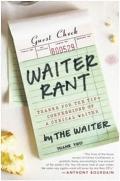
Waiters nowadays don't need to spit in your soup or pour wine in your lap if you're rude, according to Waiter Rant, the book of a blog written anonymously by "The Waiter", a New York bistro manager. Revenge can be had in other ways, such as entering a computer note to keep you from getting a good table, he says. Or tipping an espresso into your decaf.
Speak to anyone in a service industry – store clerks, hotel receptionists – and you'll hear anecdotes about getting even. One of my favourites was the flight attendant who filled a first-class passenger's handbag with ice cream.
Fortunately, The Waiter (who has since outed himself as a chap called Steve Dublanica) does more in this book than get even; he provides thoughtful insights into how the restaurant business works.
Starting out slowly and gathering pace, the book offers tips on how to handle everyone from scary celebrities to couples who disappear into the washrooms in pursuit of the culinary equivalent of the mile-high club.
(His advice: knock on the door politely and ask if anything is the matter.)
Russell Crowe makes a cameo appearance – in the book, not the men's room.
The author wrote about serving the hell-raising movie star in his Waiter Rant blog, only to have Crowe turn up at the restaurant later, he writes. "So," Crowe growled softly according to The Waiter. "You're him, aren't you?"
The book divides tippers into a dozen categories. They include the Compensator, who abuses the servers, then tips lavishly to apologise for his boorish behaviour; Sugar Daddy, who pays a big percentage in hopes of securing the favours of his waitress; and the Cheapskate.
The author identifies himself as a former theology student, and the narrative never slips into the macho style of some restaurant writing.
His message is that waiters are human, too. Often low-paid and dependent on tips, they deserve respect. That may not sound like rocket science, but I've shared meals with rude diners, and they are fair game. Don't be one.