Build a personal brand to get ahead
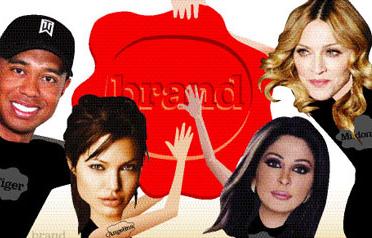
Tiger, Madonna, Angelina. For these A-listers, one name is enough – and the world instantly knows who they are.
Celebrities – or sometimes the managers behind them – are experts in creating a vibe around themselves. But it is not just the rich and famous who can benefit from this – it can be just as beneficial in business or daily life.
Personal branding can make all the difference when trying to seal the deal because it matters that you are known in the industry.
But although it sounds like a simple idea, actually creating a brand around a person can be tricky. The key is not about what the individual thinks, but about how they are perceived by others. And it has as much to do with personality as it does looks.
In her book Drop Dead Brilliant, author Lesley Everett talks readers through how to dress professionally.
She writes: "If you want to improve your personal power and impact, you first need to look at the image you currently present and establish what you like about it, what you do not like, what works and what doesn't. But rebranding ourselves does not just mean changing seemingly superficial things such as clothing styles, colours, and hairstyles: it means adopting new attitudes and behaviour in order not to alienate ourselves in a changing environment."
When it comes to the aesthetics of a person, such as the clothes they wear, this can differ between industries, says Michael Hughes, executive director of strategy at The Brand Union in Dubai. While a law or accountancy firm, for example, might deem it inappropriate to wear anything but a suit to work, creative industries have more flexibility and allow people to express themselves through their clothes. As people move up the corporate ladder, they sometimes have to change their appearance to fit in with this new role and essentially practice what they preach.
Hughes also believes the multicultural nature of our society makes this more possible. "People are very image conscious in Dubai, more so than in other countries, but there is also more acceptance. Traditional dress would be harder to wear in other countries but there is more understanding here. They also tend to be more accepting and open-minded so people don't worry about criticism," he says.
There are a number of ways to approach the issue, but Hughes says thinking of it as a business can help, because the same rules still apply. "Similarities between a person and company are there because we look for the identity of them," he says.
The most important part of creating a personal brand, says Hughes, is for you to ask colleagues how they perceive your image and see whether it matches your own perception. Once this is done, you can start to develop personal attributes and maximise your strengths.
"You can't change people but you can play on their best assets and often the people who succeed are those who know what their strengths are and use them to their advantage," says Hughes.
But when it comes to inspiration, Hughes says Sir Richard Branson epitomises the ethos of personal branding. "Branson does it well, but he is the Virgin brand as well. What's great about him, though, is that he's positioned himself as a consumer champion, finding out what people aren't happy with and then championing it," he says.
"Madonna is also incredible because even though she is 50, teenagers still look up to her as she works her brand image very successfully."
Closer to home, His Highness Sheikh Mohammed bin Rashid Al Maktoum, Vice-President and Prime Minister of the UAE and Ruler of Dubai, is often considered Dubai's biggest brand for he is the emirate, while Lebanese designer Elie Saab and singer Elissa have made brands out of themselves in the same way David Beckham has with his numerous sponsorship deals.
Celebrities might have the advantage of million-dirham bank balances to fund their brand, but a new haircut does not cost much and new approaches are free. So a small investment could make all the difference between making it into the boardroom or being left behind in the basement.