IOC hails pollution effort as smog persists
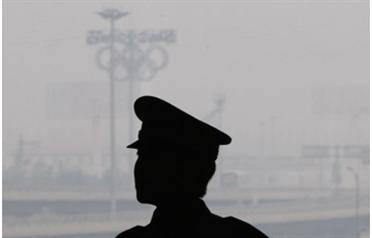
Air quality has been one of the top concerns for the 10,500 athletes coming to Beijing for the Olympics, with Rogge fanning those worries last year when he said endurance events could be postponed if the pollution was heavy.
However, with the opening ceremony just over 24 hours away, Rogge gave a strong endorsement of the Chinese government's measures to improve the air.
"The Chinese authorities have done everything that is feasible and humanly possible to address this situation. What they have done is extraordinary," Rogge told reporters.
The iconic "Bird's Nest" National Stadium was barely visible from a few hundred metres (yards) on Thursday.
Even up at the Great Wall about 40 kilometres (25 miles) north of the city centre, low visibility took the shine off Thursday's leg of the Olympic torch relay.
But Rogge cautioned skeptical media not to be fooled into thinking that automatically meant pollution levels were high.
"The fog you see is based on humidity and heat. It does not mean that this fog is the same as pollution," he said.
Rogge said there was "absolutely no danger" to the health of athletes who competed for less than one hour.
For the events over one hour, he repeated that the air was being monitored across the city, but then referred only to "72-hour weather forecasts" in determining whether they would have to be shifted or postponed.
Beijing Olympic organising committee spokesman Sun Weide also said on Thursday that pollution levels in Beijing remained acceptable.
"There is some moisture and fog out there but the air quality today is good," he said.
He said that, since the beginning of August, air quality had varied from excellent to good and that not one day had been given a poor grade by Beijing's Environmental Protection Bureau.
Nevertheless, the bureau does not measure some particularly dangerous pollutants, such as ozone, as recommended by the World Health Organisation and commonly taken into account by developed nations.
In some of the most dramatic short-term measures to fix the air, authorities last month removed one million of the city's 3.3 million cars from the roads and shut down more than 100 polluting factories.
Last week the Ministry of Environmental Protection said additional emergency measures could be employed, such as taking nearly 500,000 more cars off the road.
But Sun said the initial measures had resulted in a 20-per cent drop in all the pollution indicators and that it was unlikely the last-ditch emergency plan would have to be invoked.
Rogge also pointed to other longer-term efforts to improve Beijing's air quality, such as planting millions of trees, moving factories to other areas and switching the energy source for some industries from coal to gas.
"These are not short-term, one-shot measures. This is going to continue and this is going to have a lasting influence on the climate of Beijing," he said.