Abu Dhabi beach work nears completion
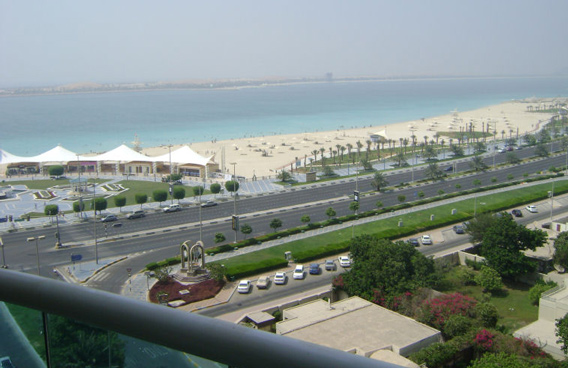
Abu Dhabi is pushing ahead with a major project to expand its Dh200 million Corniche beach and turn it into one of the most attractive destinations for its residents and tourists within an ongoing drive to develop its tourism sector.
The Corniche beach is already a key attraction site for swimmers, strollers and those seeking to bask in sun and fresh air at seaside coffee ships that are mushrooming on the western edge of the capital.
More than 200,000 people visited the three-km beach in the first nine months of this year and the figure is set to soar to 300,000 by the end of the year.
The Abu Dhabi municipality, which is overseeing the project, said the extension of the existing beach towards Hilton Hotel would be completed before the end of the year nearly 10 months after it was launched.
The extension will boost the total size of the Corniche beach to more than four km and give beach revelers more space to enjoy the water, sand and grass that covers the part adjoining the sandy area of the beach. A large part of the beach will remain confined to families for a Dh-five token fee per person while more free swimming areas will be designated for individuals.
“The new beach extension will be inaugurated before the end of this year as nearly 80 per cent of the project has been completed…the new part includes more alleys, children entertainment facilities, cafes, swimming clothes shops, small restaurants and other facilities,” the municipality said.
“There is a decision to open the door for investment along the beach…this will include small shops and fast food restaurants as well as services facilities associated with swimming and marine sports.”
The new project on the western part of the beach was prompted by a surge in the number of visitors seeking to enjoy the warm azure water and scorching summer sun for a small fee away from costly hotel beaches and swimming pools.
Abu Dhabi has already finished the first phase of expansion on the beach that was launched three years ago following the closure of the famous Ras Al Akhdar beach just past the Hilton and the Emirates Palace Hotel.
The Abu Dhabi beach resort lies just opposite the man-made palm tree-dotted Pearl Island, which has become a major tourism attraction centre as scores of the traditional Arabian wooden boats, known as dhows, shuttle daily between the city’s breakwater and the island to transport thousands of visitors.
Around one kilometre of the azure calm Gulf waters separate the beach from the breakwater which stretches just opposite Abu Dhabi façade. Major construction and entertainment projects have been carried out at the breakwater area, including hundreds of costly accommodation villas and houses, the attractive UAE Heritage Village, the famous ship restaurants and the sprawling Marina Mall, one of the biggest shopping centres in the Gulf.
The current project is the latest in an ongoing massive development programme at Abu Dhabi’s Corniche, where at least Dhtwo billion had been spent over the past decade to develop and reshape the road and the entire area.
Abu Dhabi has been locked in a drive to expand its tourism sector as part of a long-term programme to diversify its oil-reliant economy.
The drive also includes construction of new hotels to accommodate a surge in visitors and there are plans to add nearly 17,000 hotel rooms to the existing 10,000 rooms. Officials expect more than three million visitors to come to Abu Dhabi in 2015 and five million in 2025.
Like in Malibu and other film-inspired US beaches, trained swimmers armed with binoculars and rescue floats are positioned on top of giant steel towers that dot the Abu Dhabi beach, which includes man-made hills of green grass, metal umbrella-shaped shade structures and snake-like concrete terraces and alleys that zigzag their way across the hot sand and the warm grass.
Scores of security men have been hired to guard the beach while large signboards have been put up to list what is allowed and what is not. The taboos seem countless. “Nude sunbathing, fishing, golf playing, indecent behavior, tents, barbecues, and cycling are not allowed,” the boards read.