First tankers cross strait after Iran deal as Israeli strikes in Lebanon raise doubts
Trump put his signature on Wednesday on the "memorandum of understanding" to end the war, as did Iran's President Masoud Pezeshkian
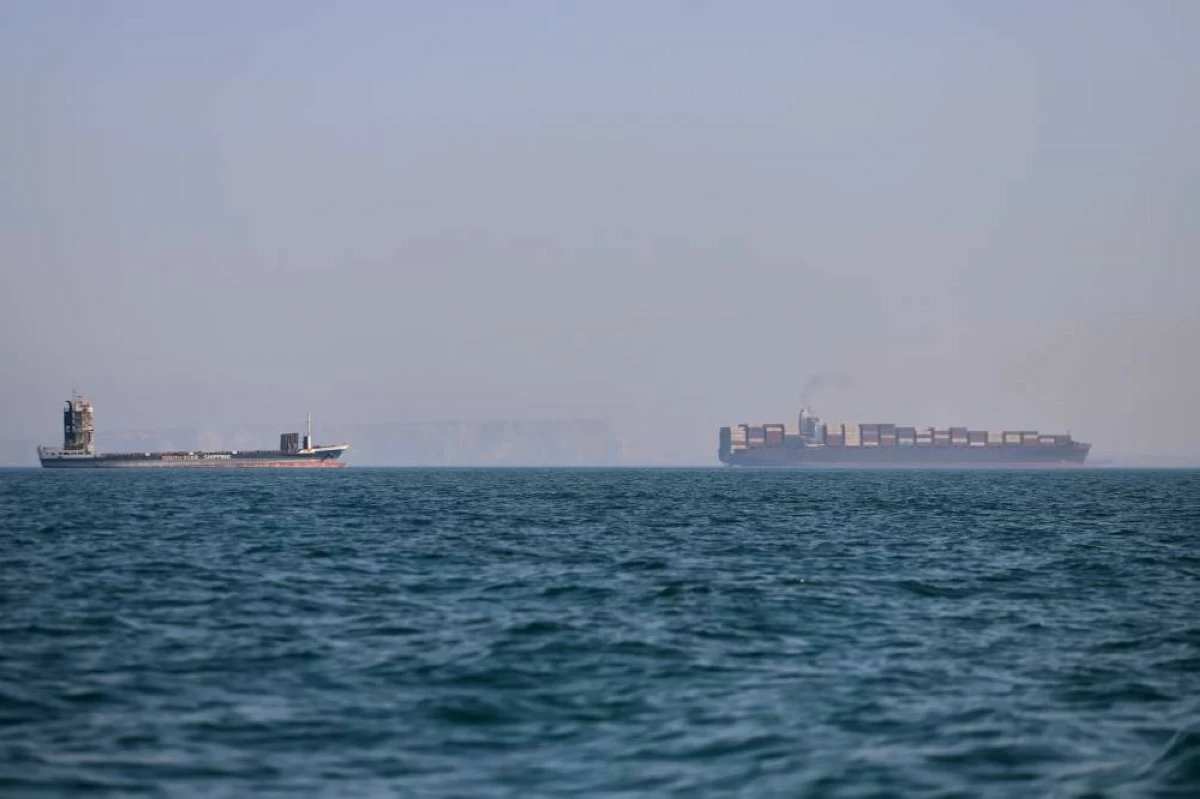
Three Saudi-flagged supertankers carrying 6 million barrels of crude sailed through the Strait of Hormuz on Thursday, hours after U.S. President Donald Trump signed a deal with Iran to end the war that has disrupted global energy supplies.
But in Lebanon, where more than a million people are displaced by the fighting, Israeli forces launched fresh airstrikes on Thursday morning, raising doubt about how far Trump will go to force his wartime allies to halt an offensive he has now pledged to end.
Trump put his signature on Wednesday on the "memorandum of understanding" to end the war, as did Iran's President Masoud Pezeshkian, bringing it into effect two days earlier than previously expected. It calls for the immediate opening of the Strait of Hormuz and lifting of a U.S. blockade of Iran's ports.
Though shippers say it will still take time for transit across the strait to reach pre-war levels, with a need yet to ensure safe access and clear mines, there were immediate signs of an impact.
Ships which once might have concealed their positions by switching off their transponders were now broadcasting their locations, poised to transit the strait.
Benchmark Brent crude futures prices fell by another 2% to below $78 a barrel, lowest since the shooting began.
The U.S.-Iranian memorandum starts the clock on a 60-day negotiation period to reach a final settlement to the war, which Trump launched in February alongside Israeli Prime Minister Benjamin Netanyahu.
Fate of war in Lebanon
Memorandum explicitly calls for end of war in Lebanon.
But Israel, which launched an invasion in March and has since seized a large swathe of southern Lebanon in its pursuit of Hezbollah militants who opened fire across the border in support of Iran, was excluded from the negotiations.
Iran has always said any peace deal must also cover Lebanon. In an apparent major concession to Iran, the memorandum signed by Trump explicitly calls for the "permanent termination" of the war in Lebanon and for its "territorial integrity and sovereignty" to be ensured.
With Lebanon among the peace effort's most delicate issues, Trump in recent days has become openly critical of his ally's operations there, accusing Israel of unnecessarily destroying entire buildings to hit Hezbollah fighters.
Two Israeli officials, including a senior official close to Netanyahu, siad on Thursday that Israel was holding negotiations with the United States as it seeks to continue its deployment of troops in southern Lebanon.
While fighting in Lebanon tamped down at the start of this week when Trump first announced the deal had been reached, it has ticked up again over the past few days, and continued on Thursday morning after Trump's signature.
Lebanese state media reported air strikes and artillery fire hitting towns in the south, killing at least one person in a car.