Opinion
Emirates airline is the crown jewel of Dubai
Emirates airline is more than a transportation company. It has become one of the strongest global symbols of Dubai itself
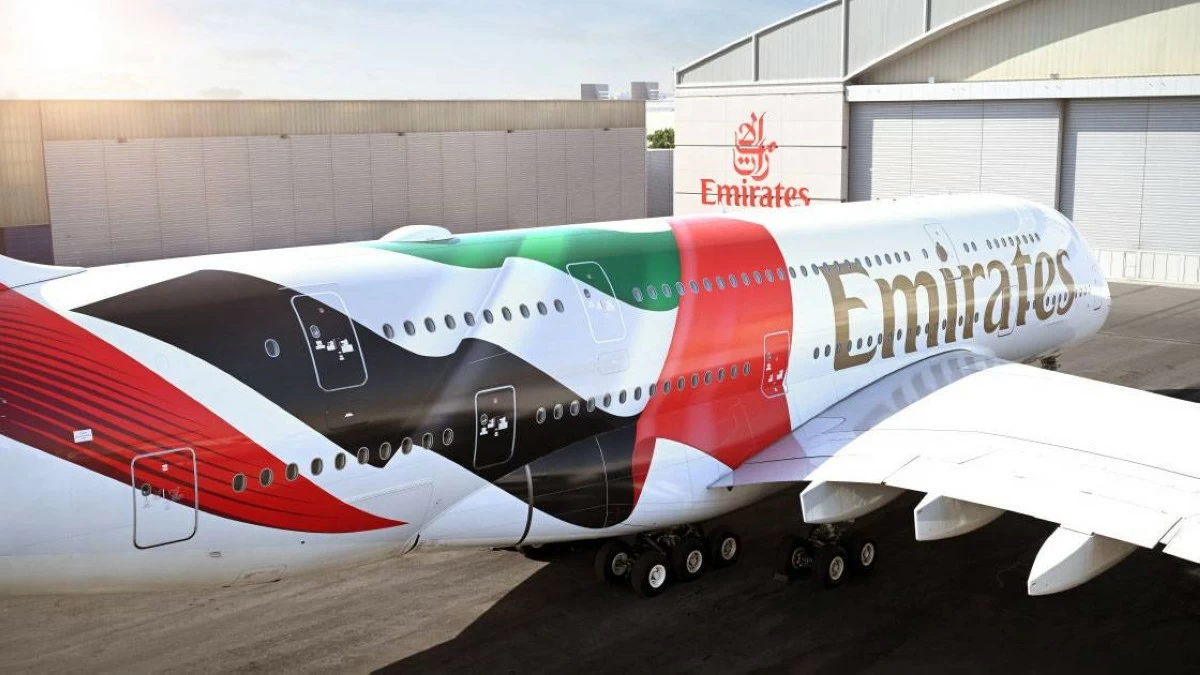
Dubai has many success stories. The Dubai Metro transformed urban transportation, Dubai International Airport became one of the world’s busiest aviation hubs, DP World emerged as a global logistics giant, and the Dubai World Trade Centre helped position the city as a major destination for commerce and international events. Yet among all these achievements, Emirates airline remains the crown jewel of them all. And Emirates Group is the soul and ambition of Dubai as described by His Highness Sheikh Mohammed bin Rashid Al Maktoum, Vice President and Prime Minister of the UAE and Ruler of Dubai.
The airline is more than a transportation company. It became one of the strongest global symbols of Dubai itself — a reflection of the emirate’s ambition, confidence, and ability to think beyond the limits of geography and size. Few institutions have contributed as much to shaping Dubai’s international image as Emirates Airline.
When people speak about Emirates, the conversation often focuses on luxury, giant aircraft, or rapid expansion. These elements are visible and important, but they do not fully explain the airline’s success. Emirates did not become one of the world’s leading carriers simply because it had financial backing or modern infrastructure. Its rise was the result of strategic vision, disciplined management, geographic advantage, and a deep understanding of how global aviation was evolving.
Emirates was launched in 1985 with relatively modest beginnings. It entered an industry dominated by long-established international airlines from Europe, Asia, and North America. At that time, few observers could have imagined that a young airline from the Gulf region would eventually compete with — and in many cases outperform — some of the world’s oldest carriers.
One of the most important elements behind Emirates’ success was Dubai’s strategic location. Positioned between Europe, Asia, and Africa, Dubai recognised early that it could become a global transit point connecting East and West. Emirates built its business model around this idea, transforming Dubai into one of the world’s most important aviation crossroads.
The airline also benefited from the rise of globalisation. As international trade, tourism, and labour movement accelerated in the late twentieth century, demand for long-distance travel increased dramatically. Emirates understood this transformation earlier than many competitors and designed a network focused on connectivity and efficiency rather than traditional national routes.
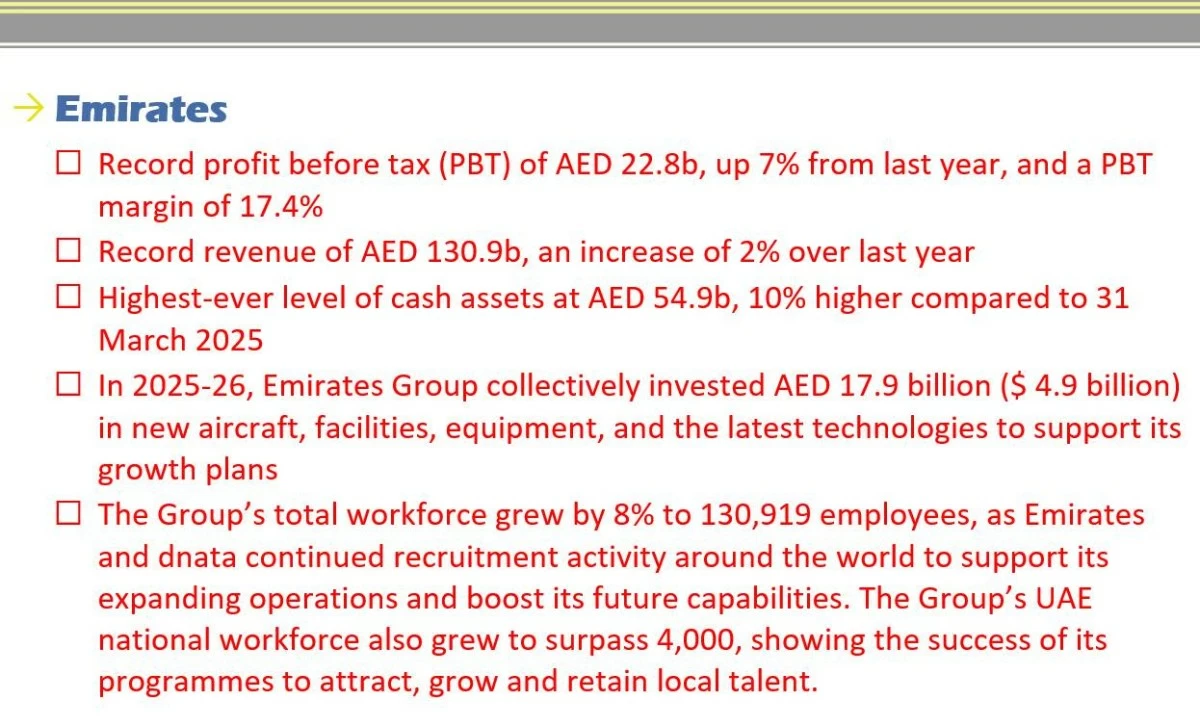
Unlike many older airlines weighed down by bureaucracy and political interference, Emirates developed with a relatively commercial mindset. It invested heavily in modern aircraft, operational efficiency, and customer experience. Its focus on wide-body fleets such as the Boeing 777 and Airbus A380 allowed it to connect distant cities directly while maintaining scale and consistency.
The airline’s reputation was not built only on luxury. Although first-class cabins and premium services attracted global attention, Emirates also succeeded because it offered reliable and comfortable travel for millions of ordinary passengers. Workers traveling between Asia and the Gulf, families moving between continents, students, tourists, and business travellers all became part of the airline’s global network.
Critics sometimes argue that Emirates succeeded only because of government support. State backing certainly played a role, as it has for many successful airlines around the world. But government support alone cannot explain long-term success. Many heavily supported national carriers failed despite vast resources. Emirates succeeded because it combined state vision with commercial discipline and global competitiveness.
Equally important was the integration between Emirates and Dubai’s broader economic model. The airline did not grow in isolation. Aviation, tourism, logistics, hospitality, trade, and infrastructure were all developed together. Dubai International Airport expanded alongside the airline, while hotels, ports, and free zones reinforced Dubai’s role as a global gateway.
At the same time, the airline’s story is not free from challenges. Aviation remains one of the world’s most vulnerable industries, exposed to fuel price fluctuations, geopolitical tensions, economic crises, and pandemics. The COVID-19 crisis showed how quickly global travel could come to a halt. Environmental pressures and increasing competition from other international carriers also continue to shape the future of the industry.
Still, Emirates remains one of the clearest examples of how strategic planning and long-term thinking can transform a small regional player into a global force. Dubai understood that connectivity itself could become a form of economic power, and Emirates became the most visible expression of that vision.
In the end, the success of Emirates Airline should not be reduced to luxury or image alone. It is the product of timing, geography, management, infrastructure, and ambition working together. More than just an airline, Emirates became a symbol of Dubai’s transformation into a truly global city.
As Sheikh Mohammed said: "We envision Dubai as an open and welcoming forum for everyone, to be a place where ideas converge, opportunities come together, and partnerships are built in the spirit of cooperation and joint striving towards higher levels of progress. Based on this vision, and with unwavering determination and full confidence in the capabilities of our children, we have succeeded in building a city that connects the world, puts its advanced services at its fingertips, and contributes to shaping its future."
(Abdul Hamid Ahmad is a UAE Writer and Columnist)