FIFA World Cup 2026 in Mexico: Where communities build soccer pitches anywhere space permits

Reuters photographer Raquel Cunha spent some three months taking photos of amateur soccer matches across Mexico City and beyond
By Reuters Published: 2026-06-09T15:13:00+04:00 2 min read
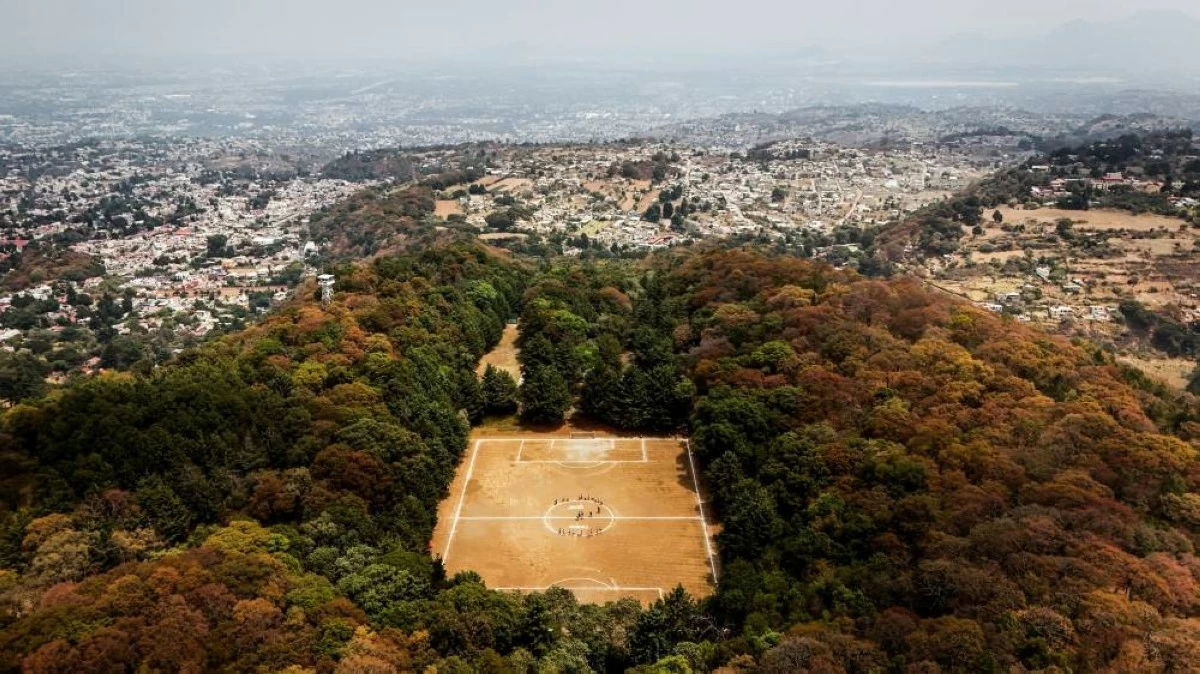
A drone view shows a sports field known as the Field of the Gods, inside the crater of the Teoca volcano, an inactive volcano at more than 2,700 metres above sea level where amateur tournaments are played every Sunday, in Mexico City, Mexico, April 19, 2026. REUTERS/Raquel Cunha

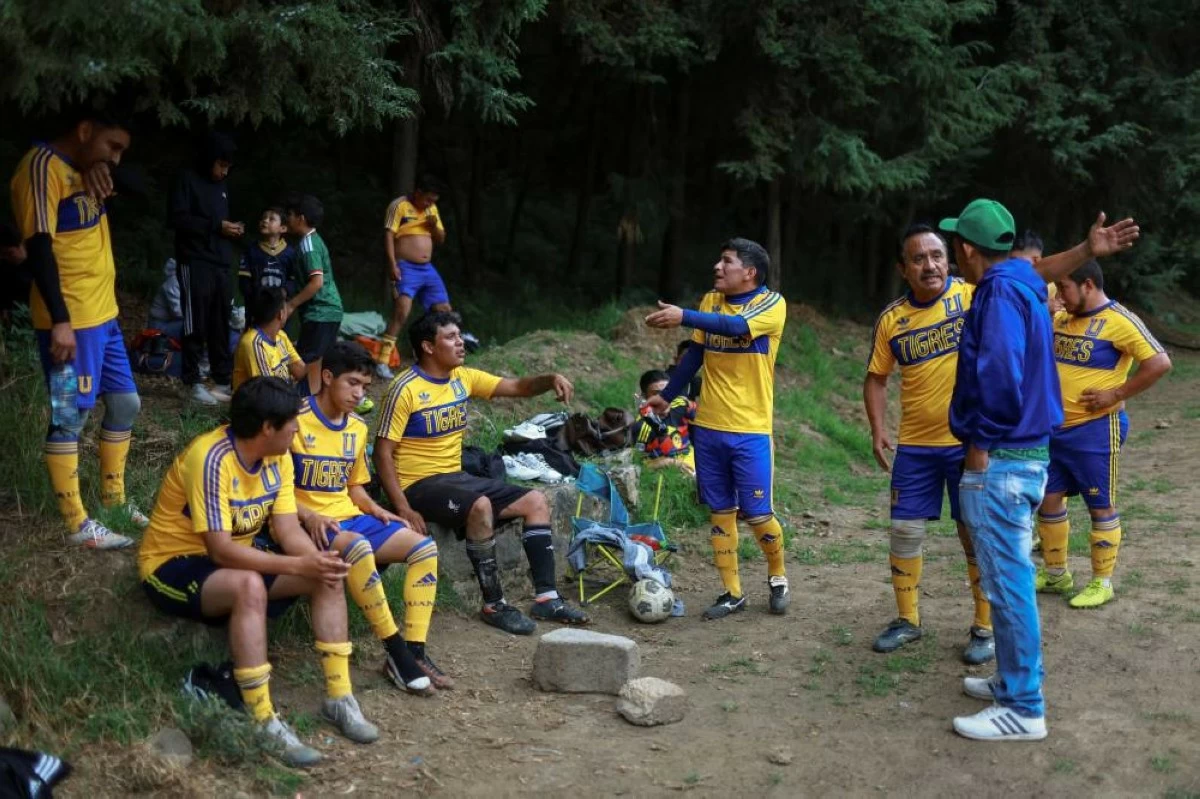
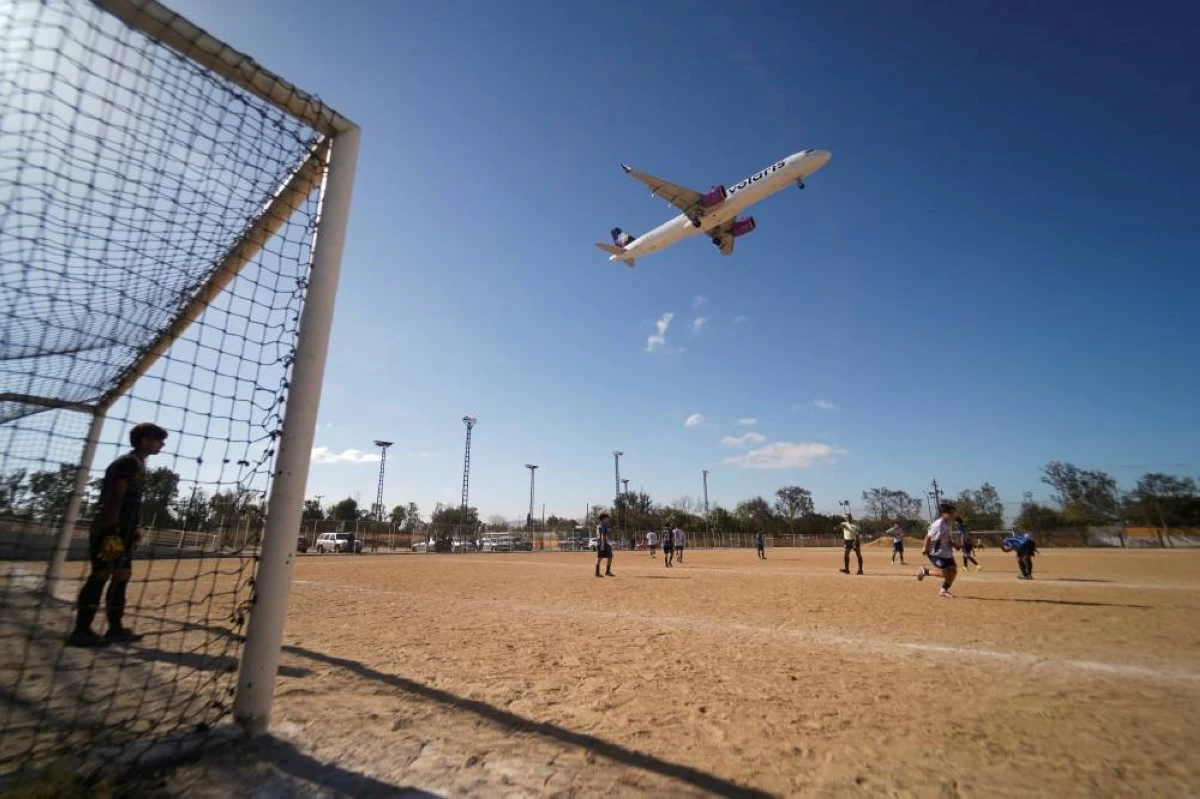
MONTERREY, Mexico: Across World Cup co-host Mexico, soccer pitches ​are laid out wherever communities can find the space. On the edges of ‌towns, on ​highway underpasses, and even in a volcano crater, spaces are cleared that allow the young and the old to share in the dream of the beautiful game.

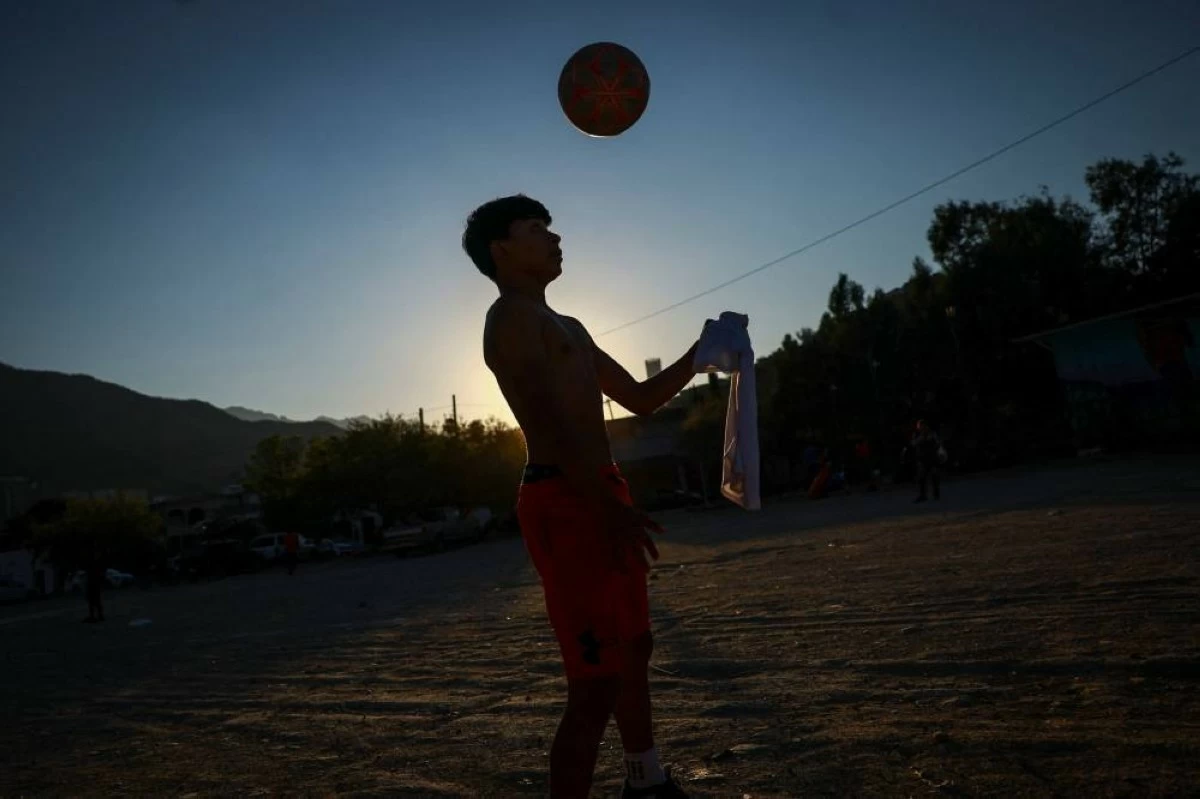
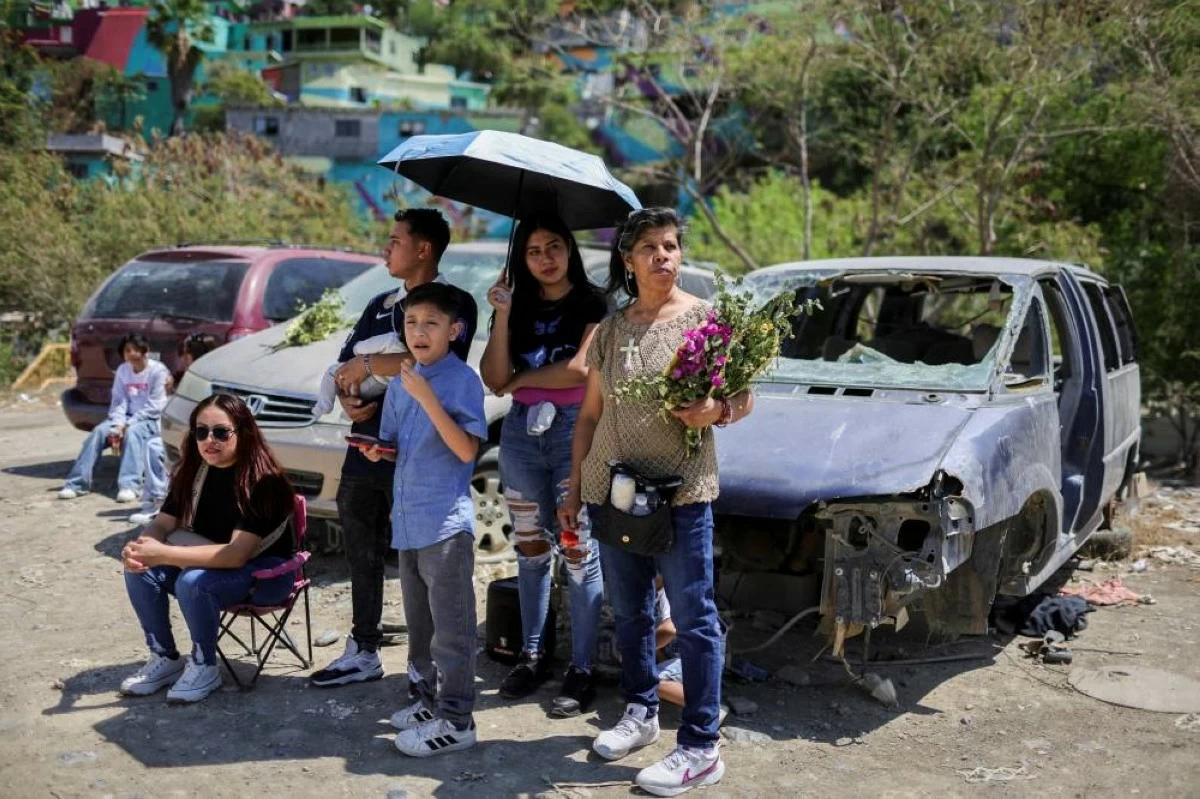
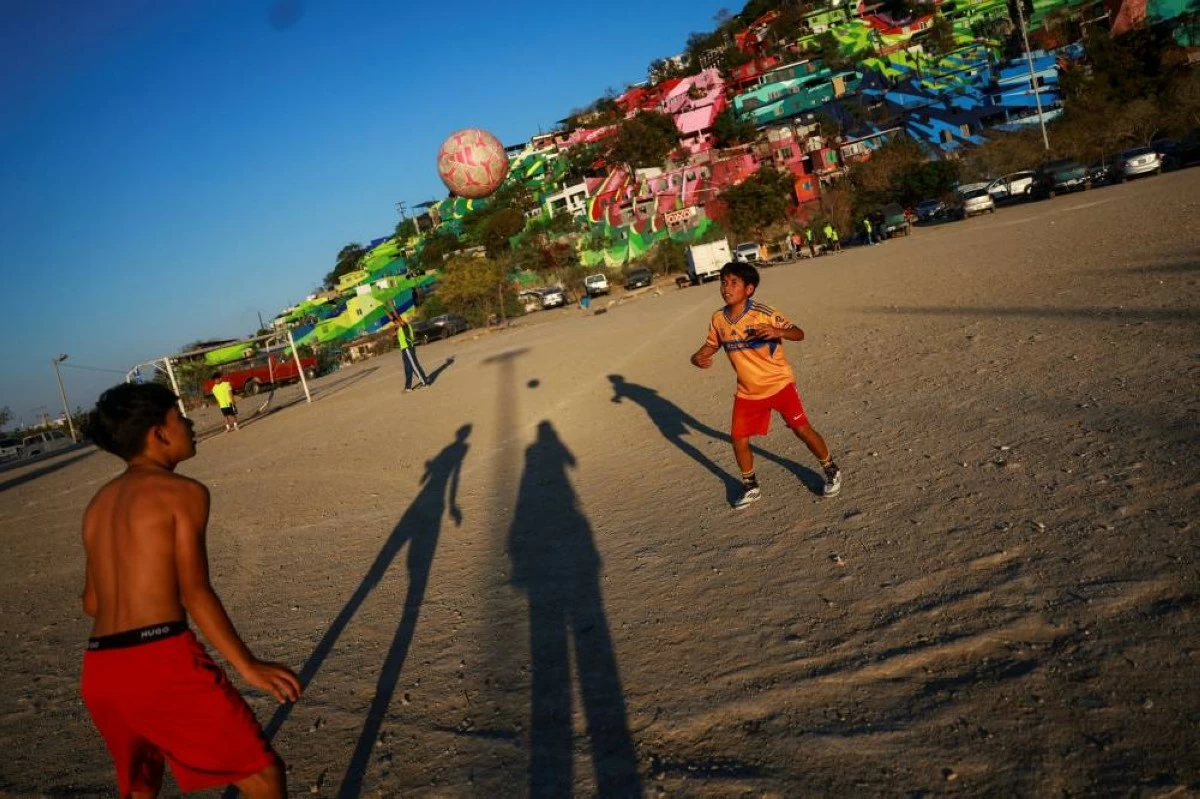
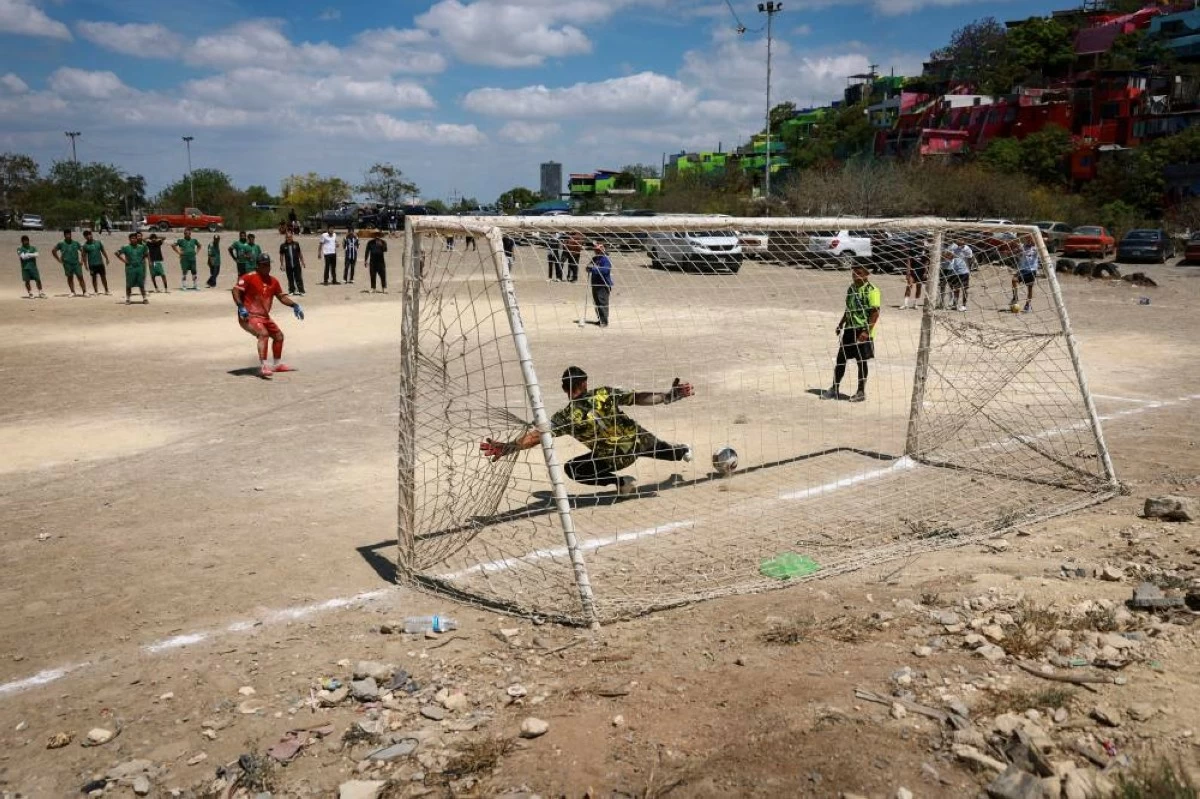
In an impoverished neighborhood in Monterrey in northern Mexico, 14-year-old Humberto Guadalupe, called "Messi" by friends and family, spends his weekends on the community's only soccer field, surrounded by ⁠abandoned cars and dirt roads.

Just like the legendary Argentine player who inspired his nickname, he dreams of becoming a professional player one day, encouraged by his grandmother.

"One way or another, it's going to happen," he says. "Even when we lose a match, ‌we keep our heads up."

To the south, in a rural district on the outskirts of Mexico City, families arrive by car, motorcycle, bicycle and on foot to watch matches at ‌the "Field of the Gods," a soccer pitch inside the crater ‌of the extinct Teoca Volcano.

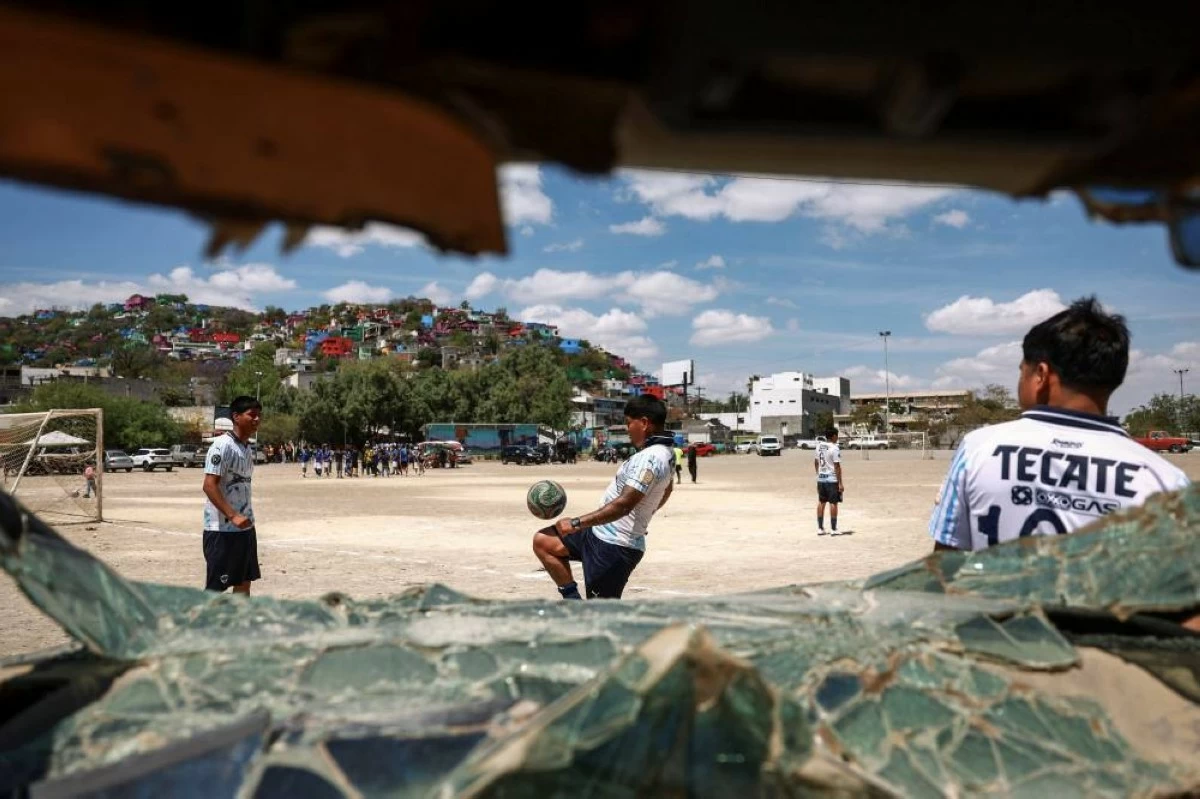
'Pandilleros' team members are seen warming up through a broken car window ahead of the Cerro de la Campana llanero soccer championship semifinal against 'Bandoleros' at Los Pinos football pitch in Monterrey, Mexico, March 29, 2026. REUTERS/Raquel Cunha
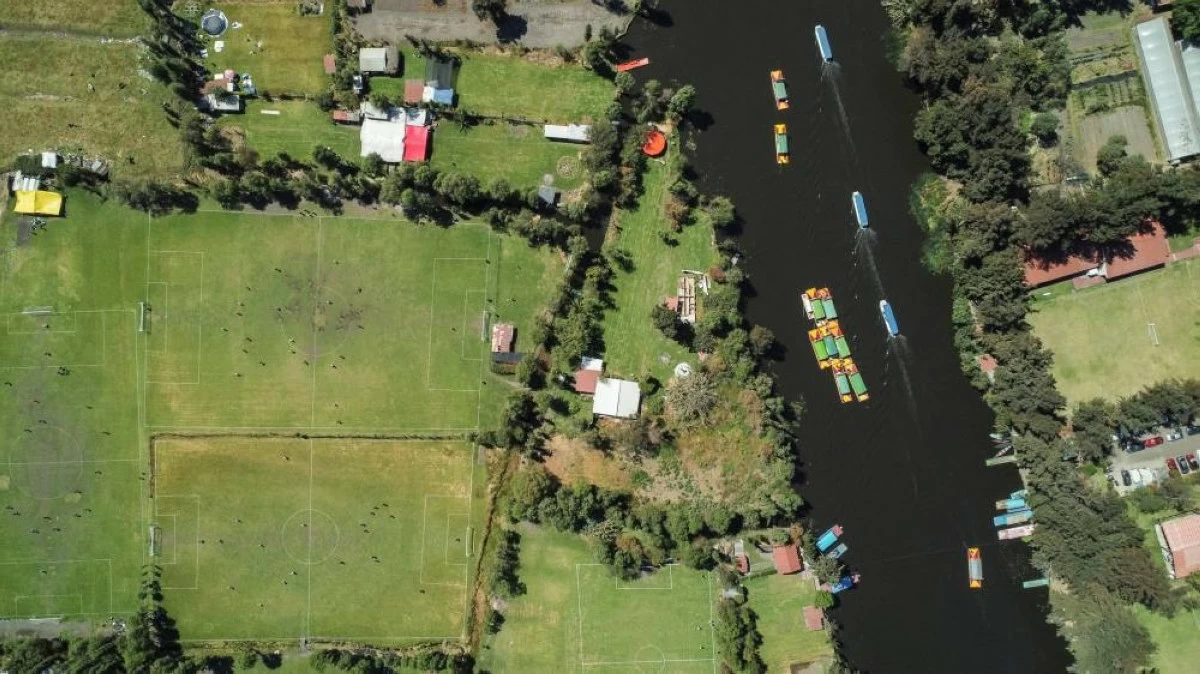
A drone view shows locals playing football at pitches as people ride boats and trajineras in the Xochimilco ecological zone, composed of water channels and chinampas, or so-called floating gardens, a reminder of traditional pre-Hispanic land use, in Mexico City, Mexico, March 1, 2026. REUTERS/Raquel Cunha
Humberto Guadalupe, 14, nicknamed "Messi," who dreams of becoming a professional soccer player, plays during a soccer match that begins with listening to the word of God, followed by snacks organized by evangelists and brothers Rene and Andres Cardona in Monterrey, Mexico, March 24, 2026. REUTERS/Raquel Cunha
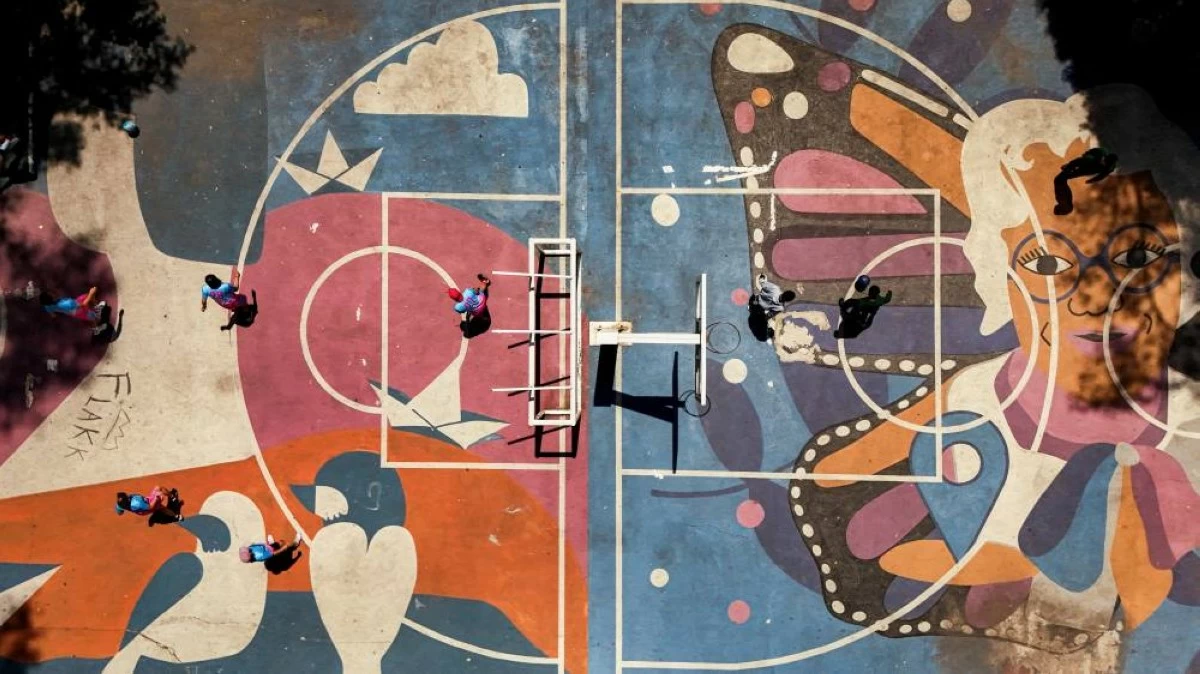
A drone view shows a painted football pitch in the Tlatelolco housing complex, where matches are held by the Sharks group to promote sport within the LGBTQA  community, in Mexico City, Mexico, April 18, 2026. REUTERS/Raquel Cunha
A drone view shows a painted football pitch in the Tlatelolco housing complex, where matches are held by the Sharks group to promote sport within the LGBTQA community, in Mexico City, Mexico, April 18, 2026. REUTERS/Raquel Cunha
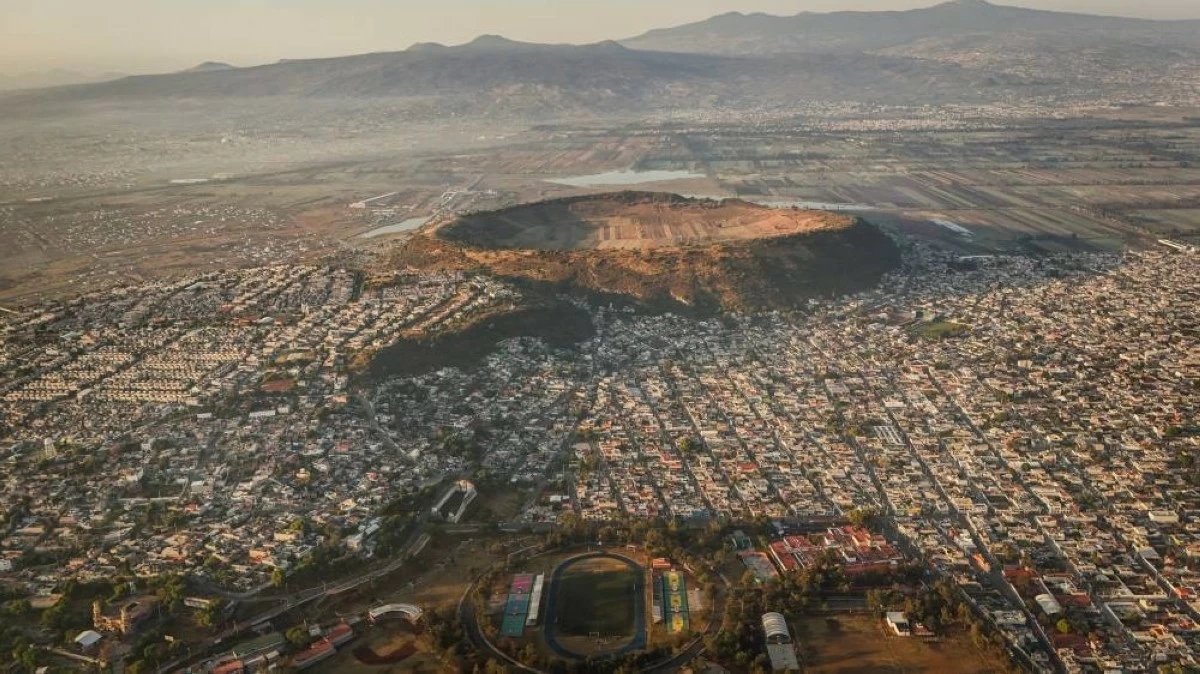
A drone view shows a soccer field at the Sports Unit "Luis Donaldo Colosio" with the crater of the Xico volcano, an almost perfectly circular tuff ring known locally as the "navel of the world", on the outskirts of Mexico City, Mexico, April 8, 2026. REUTERS/Raquel Cunha
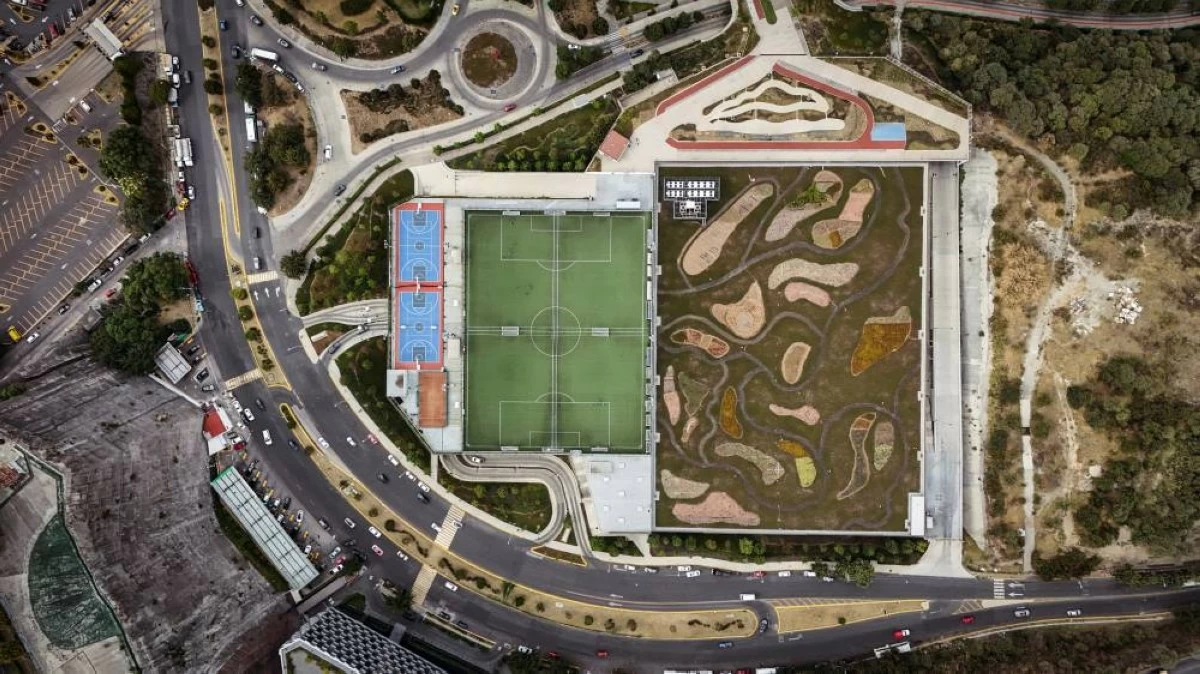
A drone view shows a sports field on the rooftop of a Costco branch, part of the Parque La Mexicana complex next to a large green roof with 21 varieties of native plants and grasses in the Santa Fe business district, in Mexico City, Mexico, April 15, 2026. REUTERS/Raquel Cunha
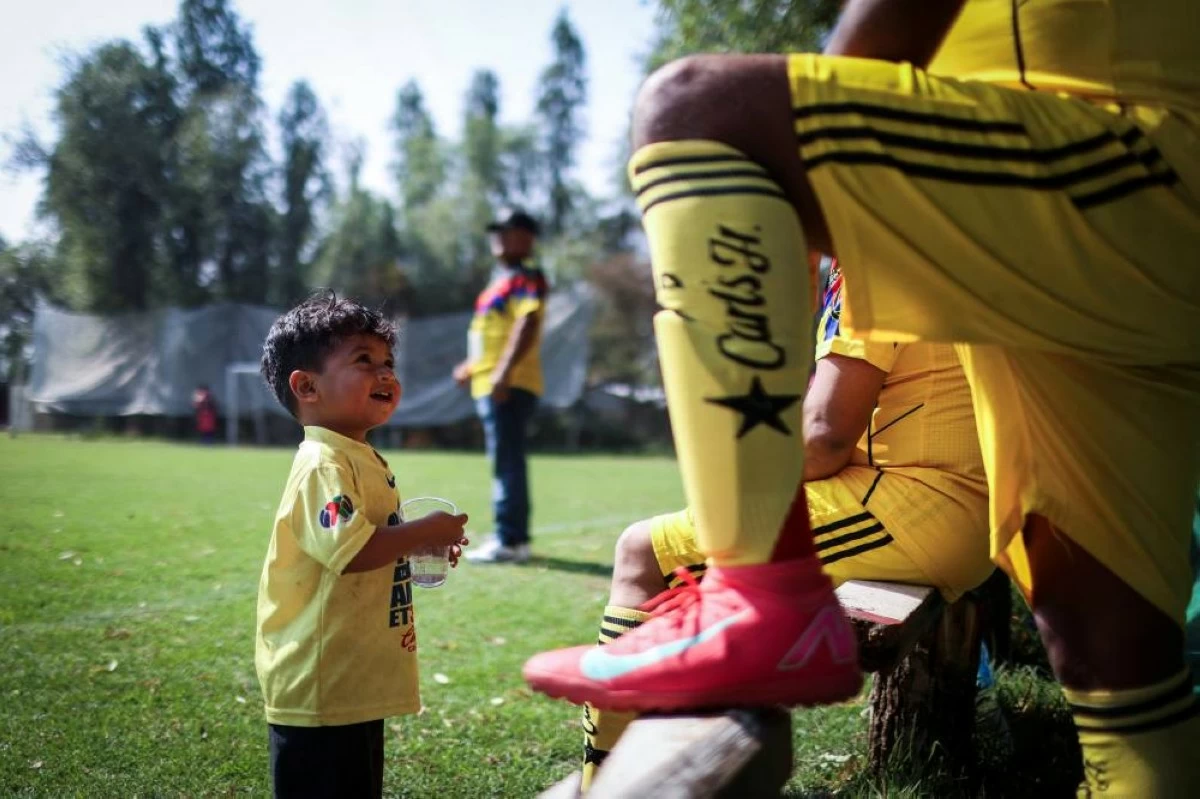
Emmanuel Dela Rosa, 2, looks at his father during an amateur league match between Real America and Mexico in the protected Xochimilco area, in southern Mexico City, Mexico, March 8, 2026. The UNESCO World Heritage site, known for its canals and chinampas, or so-called floating gardens, remains a social hub where residents gather for weekend football matches. REUTERS/Raquel Cunha

Mist moves between pine trees and fruit orchards that ‌frame the pitch in the former ‌crater, nearly 700 meters (2,300 ft) above the sprawling capital. Built by the community more than 60 years ago, it ​is used by amateur ‌local teams on Sundays.

In nearby ​Xochimilco, soccer players ride in traditional "trajinera" wooden ⁠boats along canals and cross chinampas, the ancient agricultural plots or floating gardens that helped sustain the Aztec capital centuries ago. They are heading to play on some of ​Mexico City's last ⁠remaining natural grass pitches. ⁠Located inside a UNESCO World Heritage Site, the pitches are an important social hub, but their creation can be damaging to the area's ecology and habitat of the endangered ⁠axolotl salamander, scientists say.
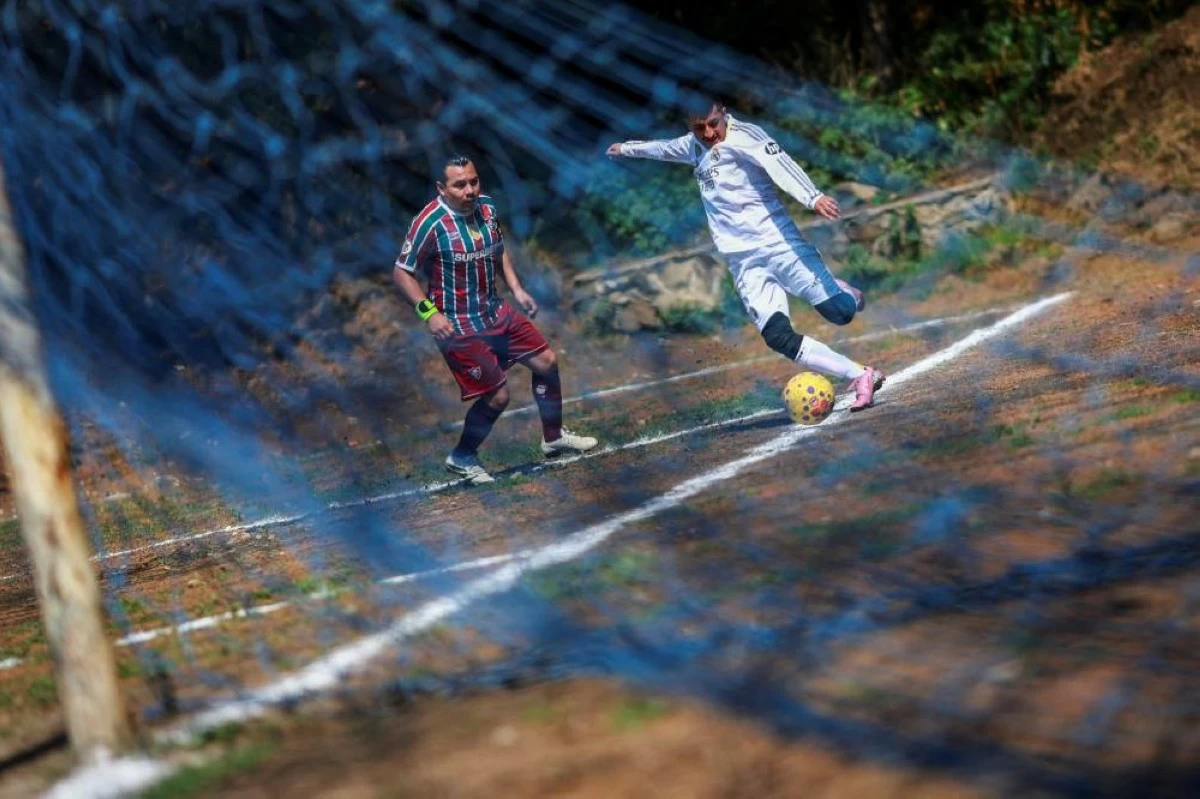
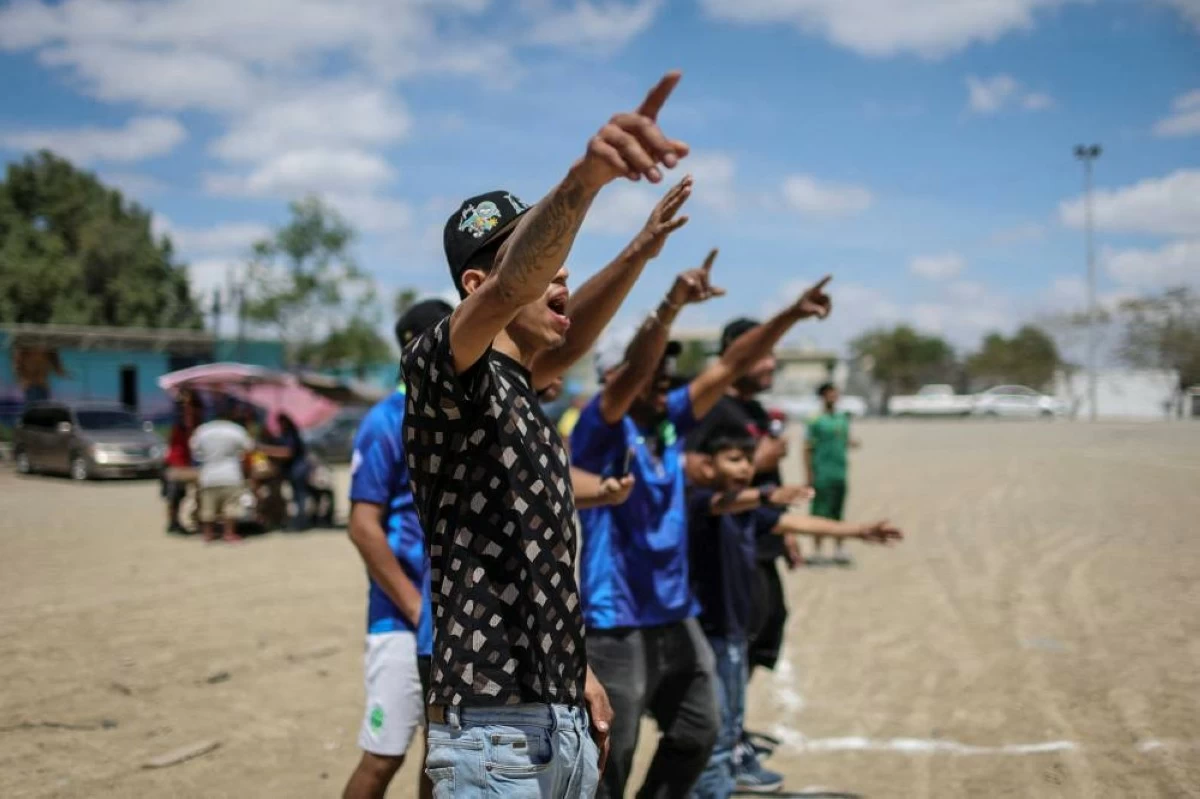
People watch the Cerro de la Campana llanero soccer championship semifinal 'Bandoleros' vs 'Pandilleros' at Los Pinos football pitch in Monterrey, Mexico, March 29, 2026. REUTERS/Raquel Cunha
Humberto Guadalupe (left), 14, nicknamed "Messi", who dreams of being a professional soccer player, and Eduardo Reyes, 12, play during a soccer match that begins with listening to the word of God, followed by snacks organized by evangelists and brothers Rene Cardona and Andres Cardona, in Monterrey, Mexico, March 24, 2026. REUTERS/Raquel Cunha
People cheer for the 'Pandilleros' team during the Cerro de la Campana llanero soccer championship semifinal against 'Bandoleros' at Los Pinos football pitch in Monterrey, Mexico, March 29, 2026. REUTERS/Raquel Cunha
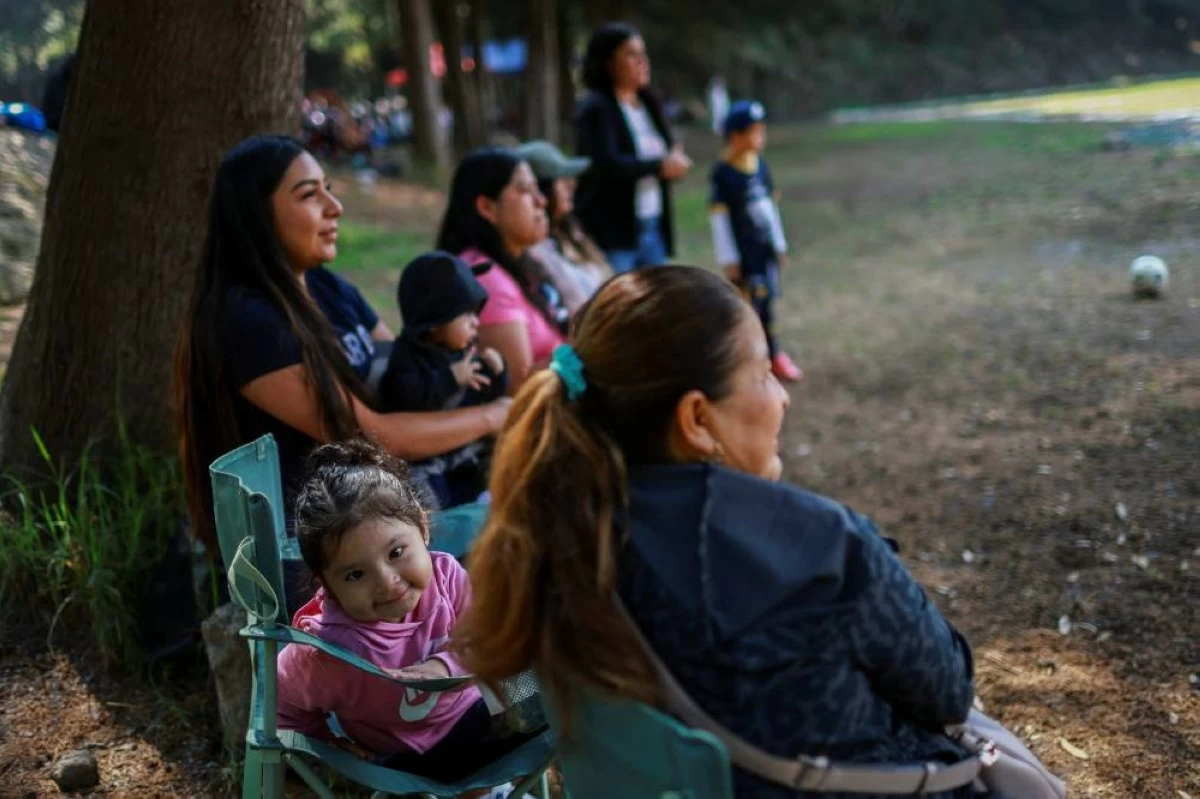
Aitana Michelle Hernandez Blas, 2 years 4 months, and her mother sit as they watch Aitana's father play at the "Cancha de los Dioses" (Field of the Gods), a soccer field inside the crater of the dormant Teoca volcano in the mountains between Xochimilco and Milpa Alta, in Mexico City, Mexico, May 17, 2026. The community flattened the crater more than 60 years ago to build the field, where local amateur teams play matches every Sunday. REUTERS/Raquel Cunha

Though separated by landscape and distance, these matches share the same rhythm: communities building spaces around soccer in places shaped by hardship, geography and memory.

Reuters photographer Raquel Cunha spent some three months taking photos of amateur soccer matches across Mexico City and beyond; she mostly worked on Sundays, when players are ‌out in force. She selected most of her subjects by closely examining the city on map apps and ​then choosing a shortlist of 15 to photograph with a drone. Of these, she chose two in the city plus one in the industrial north to also photograph on the ground, with contrasting environments: gritty Monterrey; a green, mountainous suburb; and a ​historic neighborhood of canals.