AI boom could trigger ‘tsunami’ of electronic waste, watchdog warns
New analysis estimates that up to 617 million tonnes of AI-related electronic equipment could be retired by 2050, raising concerns over toxic waste and environmental risks
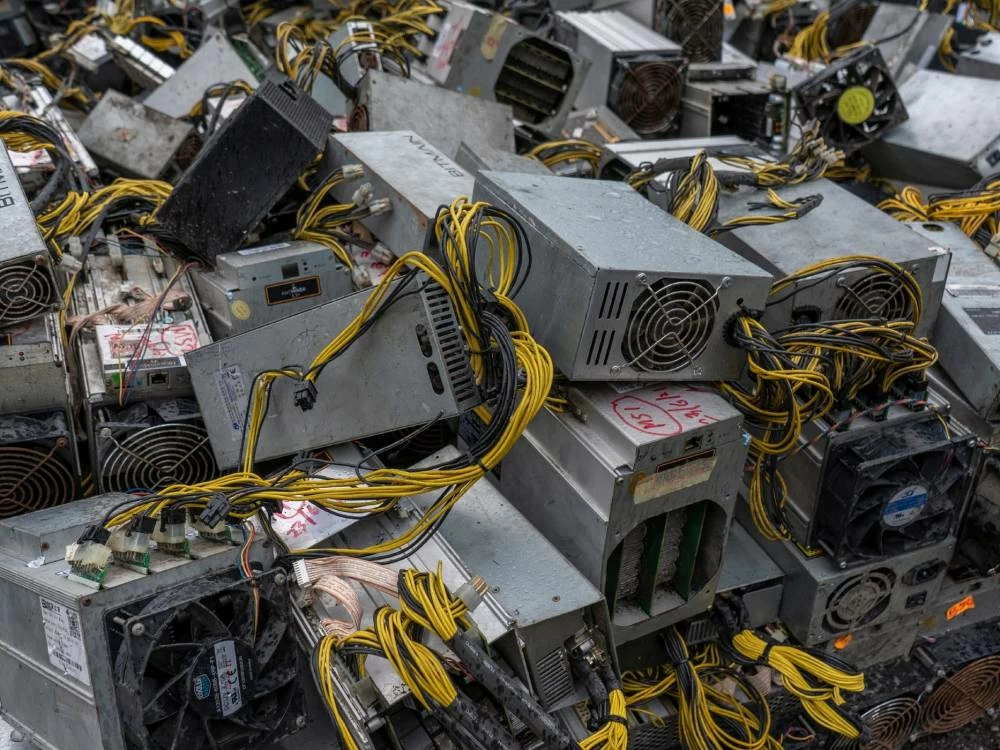
Washington: The rapid expansion of artificial intelligence could dramatically worsen the global electronic waste crisis, with a new analysis warning that up to 617 million tonnes of AI-related electronic equipment could be retired between 2025 and 2050.
The warning comes from the Basel Action Network (BAN), an organisation that monitors the international trade in toxic waste.
According to BAN, the upper-end estimate would be enough to fill around 23 million 40-foot shipping containers, which, if placed end to end, could circle the Earth approximately six times.
The projected waste includes a wide range of equipment supporting AI technologies, including computer servers, graphics processing units (GPUs), networking and cooling systems, power and backup infrastructure, telecommunications equipment and personal devices that may become obsolete more quickly as AI advances.
BAN warned that electronic waste often contains hazardous materials, including persistent chemicals that can pose risks to human health and the environment, making safe disposal and recycling increasingly challenging.
Jim Puckett, Founder and Chief of Strategic Direction at BAN, said public discussion around AI's environmental impact has largely focused on electricity consumption, carbon emissions and water use, while paying less attention to the long-term consequences of disposing of the physical infrastructure that powers the technology.
He cautioned that without adequate planning and waste-management strategies, the rapid growth of AI could create a “tsunami” of electronic waste and significantly worsen the world's existing toxic waste problem.
The organisation called for greater attention to the lifecycle of AI infrastructure as governments, businesses and technology companies continue investing heavily in artificial intelligence.