Driving in the UAE this summer? Follow these car safety tips by Dubai Police
Learn how to protect your vehicle from overheating, sand damage and road risks during summer months.
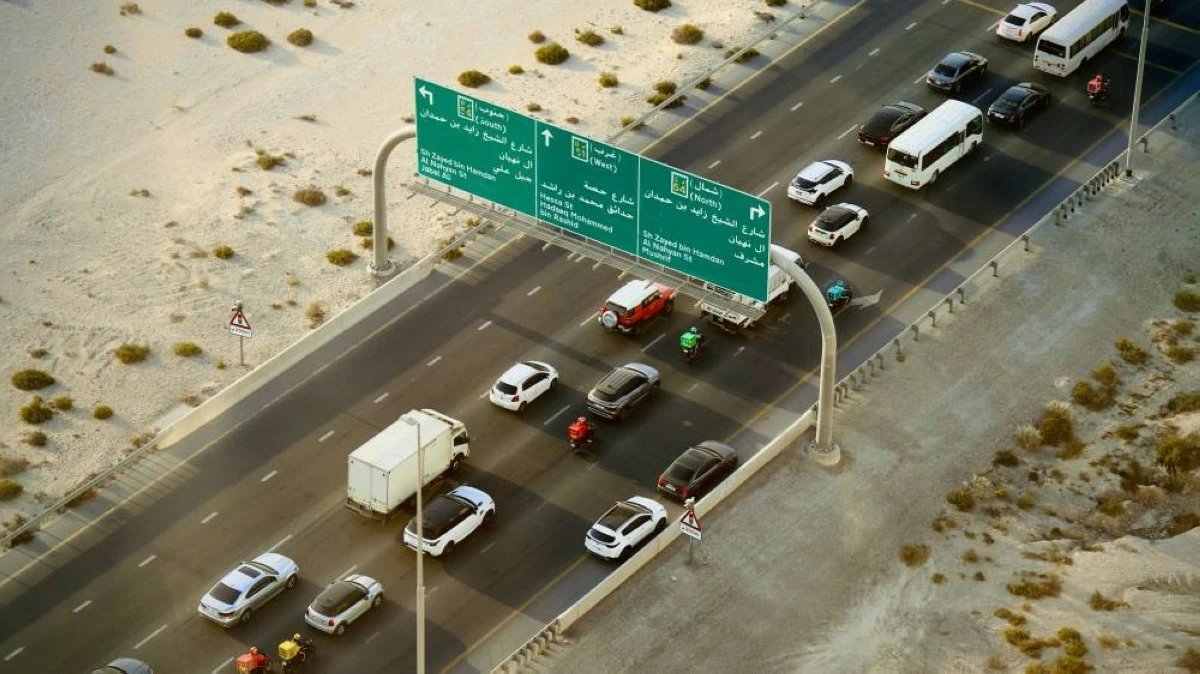
Has your car ever stalled in the middle of the road, during summer heat?
You can prevent this from happening, with pre-emptive action. As temperatures rise, and the UAE heads into higher temperatures, it’s time to ensure your vehicle is in peak condition and you are practising good road safety habits.
Here are key ways to ensure vehicle safety and safe driving practices, according to the Dubai Police’s Aman Roads initiative, a smart platform that aligns with the Dubai Traffic Safety Strategy 2030, and provides helpful tips and traffic awareness campaigns:
1. Ensure your vehicle is well-maintained
The best way to avoid breakdowns is to prioritise regular maintenance of your vehicle. The authorities recommend the following inspections:
- Check tyres often: Inspect tyre pressure and tread depth regularly. Overinflated or worn tyres are more likely to blow out, especially in high temperatures.
- Maintain brakes: Heat can cause brake fluid to evaporate, so it’s essential to schedule regular checks for safe and responsive brakes.
- Top up fluids: Ensure oil, coolant, and brake fluids are at the correct levels, in order to avoid engine overheating or reduced performance.
- Service the air conditioning (AC) system: Your car can quickly grow uncomfortable, and even dangerous, if your AC system is not functioning well in the summer.
- Pay attention to warnings: Never ignore the dashboard warning lights. Consult a mechanic as soon as they appear.
2. Understand your vehicle’s safety features
Today’s automobiles are equipped with essential built-in safety features that can help prevent injuries or fatalities. It’s important to understand and use them appropriately.
- Buckle up: Always wear your seatbelt and ensure it is correctly positioned. In the UAE, failing to wear a seatbelt – for both front and rear passengers – incurs a Dh400 fine and four black points on the driver’s licence.
- Adjust for airbags: Position your seat to allow safe airbag deployment. The Dubai Police advises staying at least 25cm away from the steering wheel.
- Secure children correctly: Use a child car seat for children aged zero to six years old, and follow the manufacturer’s installation guidelines to ensure the seat is securely placed. Drivers risk four black points on their licence, in addition to a Dh400 fine, if they do not place children in car seats. Moreover, children under 10 years old or shorter than 145cm must always ride in the back seat, as per UAE law, as the airbags in the front can be dangerous for smaller passengers.
3. Adjust for extreme weather
The UAE’s heat and sand can damage your vehicle if you are not prepared.
- Watch the temperature gauge: If your engine overheats, the arrow in your vehicle’s temperature gauge will swing into the red zone, from C (cold) to H (hot). You may also notice steam emitting from the hood, and the ‘check engine’ light switching on. If this happens, immediately pull over in a safe zone and turn off the car. Allow it to cool completely before restarting.
- Replace air filters frequently: Sand and dust can clog filters. Replacing them before summer begins can help improve airflow, engine performance and fuel efficiency.
- Open your windows: When you’re starting your car for the first time, after parking it overnight, the authorities recommend opening the windows briefly to let in fresh air and clear any trapped gases.
The same process is useful when you are waiting in a running car for a long period of time, since fresh air reduces the accumulation of harmful gases inside the vehicle.
4. Be prepared for emergencies
Having the right tools on hand, and knowing what to do if something goes wrong, can help you stay safe.
- Keep an emergency kit: Include items like bottled water, a flashlight, first aid supplies, and tyre repair essentials in your car.
- Break down safely: If your car stalls, pull off the road if possible, into the shoulder lane, and switch on your hazard lights. If you are on the highway and in danger, or blocking traffic, call 999 for police assistance. For non-emergency towing and repairs, call your insurance provider’s roadside assistance number. Stay visible until help arrives.
- Check the weather: Stay alert for dust storms or extreme heat forecasts that could impact driving conditions and visibility.