Dubai real estate ranks 17th globally for transparency in 2026 - up 11 places in two years
The JLL and LaSalle Global Real Estate Transparency Index places Dubai first in the Arab world and ahead of Switzerland, Norway and South Korea
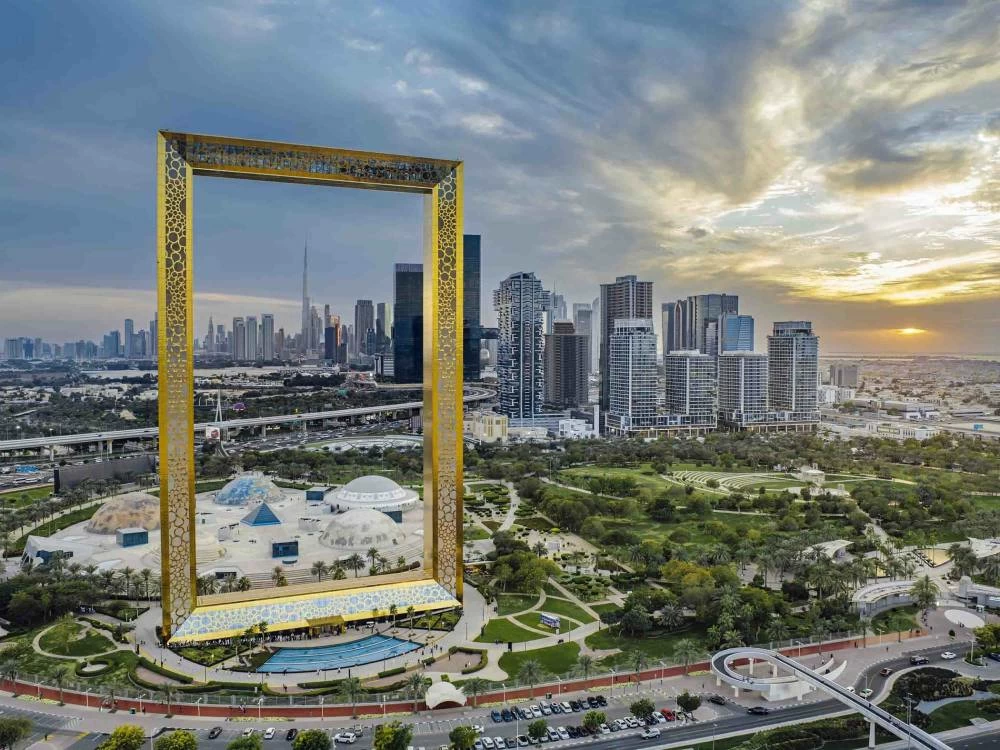
Dubai: Dubai has solidified its position on the global real estate market map, ranking first in the Arab world and 17th globally in the 2026 Global Real Estate Transparency Index, published by JLL and LaSalle. This represents an 11-place jump in just two years, compared to its 28th place ranking in the 2024 edition.
Dubai scored 1.98 points on the new index, placing it among the most transparent markets globally, ahead of prominent international markets, including Switzerland, Poland, Italy, Denmark, Norway, and South Korea. The United Kingdom topped the global index, followed by France, Australia, the United States, and the Netherlands.
The 2026 Global Real Estate Transparency Index covers 88 countries and territories and serves as a guide for investors, lenders, and companies to assess operating conditions and transparency levels in real estate markets worldwide. The report revealed that approximately two-thirds of the markets monitored have improved their transparency over the past two years.
The government's focus on transparency has placed Dubai among the most improved markets globally in real estate transparency between 2024 and 2026, alongside several other markets in the Gulf and Asia-Pacific region.
The report indicated that Dubai, Abu Dhabi, Saudi Arabia, and Qatar were among the leading Gulf markets to achieve improvement, driven by the government's long-term focus on enhancing transparency and institutional capacity in conjunction with efforts to diversify economies. It also confirmed that these four Gulf markets are among the most improved over the past decade.
The report attributed a significant aspect of Dubai's progress to the digitisation of services and the introduction of new regulations in the real estate sector, specifically highlighting the role of the Dubai Land Department, which it described as a leader in providing real-time and publicly accessible real estate data.
The report also highlighted several developments that have contributed to increased market transparency, including enhanced transparency of operating costs and service fees through the ‘Mollak’ billing system, as well as the expanded use of blockchain technology in property registration, which simplifies real estate transactions.
The report also recognised Dubai Land Department’s Dubai REST programme as a leading global model for providing detailed data, noting that the information it offers can be used by both the public and private sectors to enhance their analytical capabilities.
It further highlighted that progress in transparency extends beyond market data and transactions, as Dubai was also included among the markets moving towards strengthening public disclosure requirements for companies regarding sustainability strategies, energy consumption, and climate risk management.
The significance of Dubai’s progress in the index is underscored by the relationship between transparency and the ability of markets to attract capital. According to JLL and LaSalle, markets classified as “highly transparent” and “transparent” attract more than 98% of global real estate capital, compared to only 1.3% for semi-transparent markets and less than 0.1% for low-transparency markets.