From investment banking to fighting food waste: Meet the brothers behind Dubai startup Peekabox
The siblings credit Dubai's startup ecosystem for helping transform a simple idea into one of the UAE's most talked-about food-tech apps
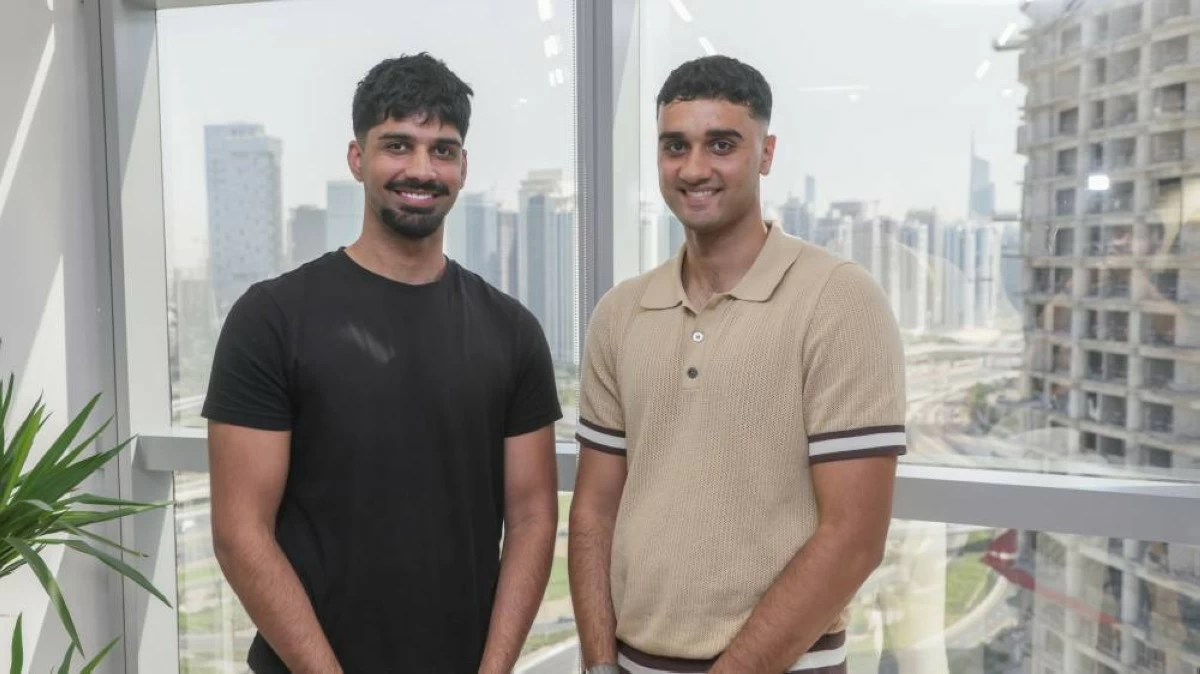
Three weeks ago, few people had heard of Peekabox. Today, the UAE startup has recorded more than 50,000 downloads, reached the top spot on the App Store's food category within days of launch, and is helping residents rescue surplus food from some of the country's best-known food outlets.
Behind the app are British brothers Hasan Sarwar and Omair Sarwar, aged 25 and 24, who grew up in Dubai, followed almost identical career paths, and walked away from investment banking to build their first startup.
“We've grown up in Dubai, we lived here for about 20 years. We then went back to London for university and then returned to Dubai to start our careers in investment banking. But we wanted to do something a bit more meaningful,” Hassan said.
That search for something bigger led them to their startup idea – a food-tech platform that connects food outlets to consumers, while helping them sell surplus food at the end of each day.
The idea that started with a bakery shelf
The inspiration for Peekabox came from a simple observation. In the evenings, when Hasan would be siting at a café or visiting a supermarket, he would see shelves filled with perfectly good food.
"You go into most cafes and their shelves are still full," he said. "I can't remember the last time I was in a grocery store and saw a clean bakery section, a shelf that was emptied at the end of the day."
The brothers realised that food businesses were throwing away perfectly edible products every day, while customers were increasingly looking for affordable options.
The solution became Peekabox, an app that allows users to buy surprise boxes offered by outlets at 50-70% discount, with unsold food that would otherwise go to waste.
"It became a win-win," Hassan said. "The brands generate revenue from products they're throwing away, customers get discounted food, and we're helping reduce food waste."
How the app works
Users who download the Peekabox app can browse through the listing of participating restaurants, bakeries and grocery stores offering discounted ‘surprise boxes’ of surplus food.
Each listing provides details about the outlet, the collection window and the type of items customers can expect to receive, although the exact contents remain a surprise. Once a box is reserved and paid for through the app, users simply collect it during the designated pickup time.
The boxes typically contain fresh food that would otherwise remain unsold at the end of the day, allowing customers to enjoy meals and baked goods at a reduced price while helping businesses cut food waste and even win over new customers.
A year of groundwork before a single download
Although the app launched only weeks ago, the work behind it began more than a year earlier.
The brothers spent months convincing restaurant groups, cafes and grocery chains to join a platform that did not yet exist.
"It takes a lot of groundwork because we wanted customers to open the app and see all their favourite brands on day one," Hassan said.
Those conversations were not always easy.
At the time, Peekabox had no customers, no launch date and no proven track record.
"Convincing brands to be part of a platform that hadn't launched yet was difficult," Umer said. "Convincing investors to invest in a platform that hadn't launched was difficult too."
The pair experimented with every outreach strategy they could think of, from LinkedIn messages and emails to cold calls. Commenting on which strategy worked best for the brother duo in getting clients on board, Umer said: "The most effective way was to pick up the phone. You get one shot."
Once they had perfected their pitch and were able to convince food outlets that the app would offer incremental value and potentially new customers, the responses started coming in.
By launch, Peekabox had agreements with nearly 1,000 stores, with an initial rollout involving around 250 locations across the UAE.
Despite its rapid growth, Peekabox has a modest team of less than 10 members, including the two founders, a small operations team, a business development manager and an advisory board.
Building a business as brothers
Starting the company together came almost as a natural step for the two brothers, who went to the same school and university, before joining the same industry. When Hasan began working on his start-up idea, Omair became an immediate choice for someone he wanted to work with.
"I found very quickly that it was difficult to do by yourself," Hasan said. "Who better to trust than your brother?"
Today, their responsibilities are split.
Hasan focuses on operations and technology, while Omair oversees partnerships, growth and expansion.
The arrangement, they say, works because each brings a different skill set to the table.
"It's a really good mix between us," Omair said.
Dubai's startup advantage
Another advantage that worked in the brothers’ favour was building the company in Dubai's startup ecosystem, one they say offers the kind of support not many places can match.
Peekabox is incorporated through the DIFC Innovation Hub, which supports entrepreneurs through streamlined processes and incentives designed to encourage new businesses.
“The UAE has become one of the biggest startup hubs globally,” Hassan said. “The support here is incredible. You have these people at very high places helping young founders, willing to support and open doors for you, make introductions and share advice. Not many places offer that level of support.”
For first-time entrepreneurs in their mid-twenties, that access proved invaluable.
Supporting a wider national strategy
Peekabox's rapid growth comes at a time when reducing food waste has become a major national priority in the UAE. Food waste reduction has become a key pillar of the UAE's broader sustainability agenda and the nation has committee to halving food loss and waste by 2030, in line with the UN Sustainable Development Goals.
The effort is being led through initiatives such as Ne'ma, the National Food Loss and Waste Initiative, which works across households, businesses and government entities to address waste throughout the food value chain.
The UAE Food Bank, meanwhile, focuses on redistributing surplus food to those in need. Since its launch in 2017, it has distributed more than 96 million meals, diverted thousands of tonnes of food from landfills and built partnerships with hundreds of organisations across the country.
“Food waste is a very large value chain. You have agricultural issues before production, after production and then landfill. We're all solving the same problem, but at different stages of the value chain,” Hassan said.
What happens next?
With the initial success, the challenge for the founders now is to keep up with the demand.
Since launch, almost all the surprise boxes have sold out daily and the company has begun expanding its partner network by adding new brands to the platform. Another focus is refining the customer experience.
"We're obsessing over the customer experience," Hasan said. "We're calling customers, reading reviews and trying to understand what we can do better."
And while the early momentum has felt surreal for the brothers, their focus is on making an app that makes sense financially and growing it further.
“Once we realised there was a genuine commercial opportunity and the app was making a meaningful impact, we knew we had to go all in,” Hassan said.