Haj Vaccines UAE: What you need, when to get them and how much they cost
Based on Saudi and UAE authorities, here’s what pilgrims need, from vaccine certificates to fitness declarations
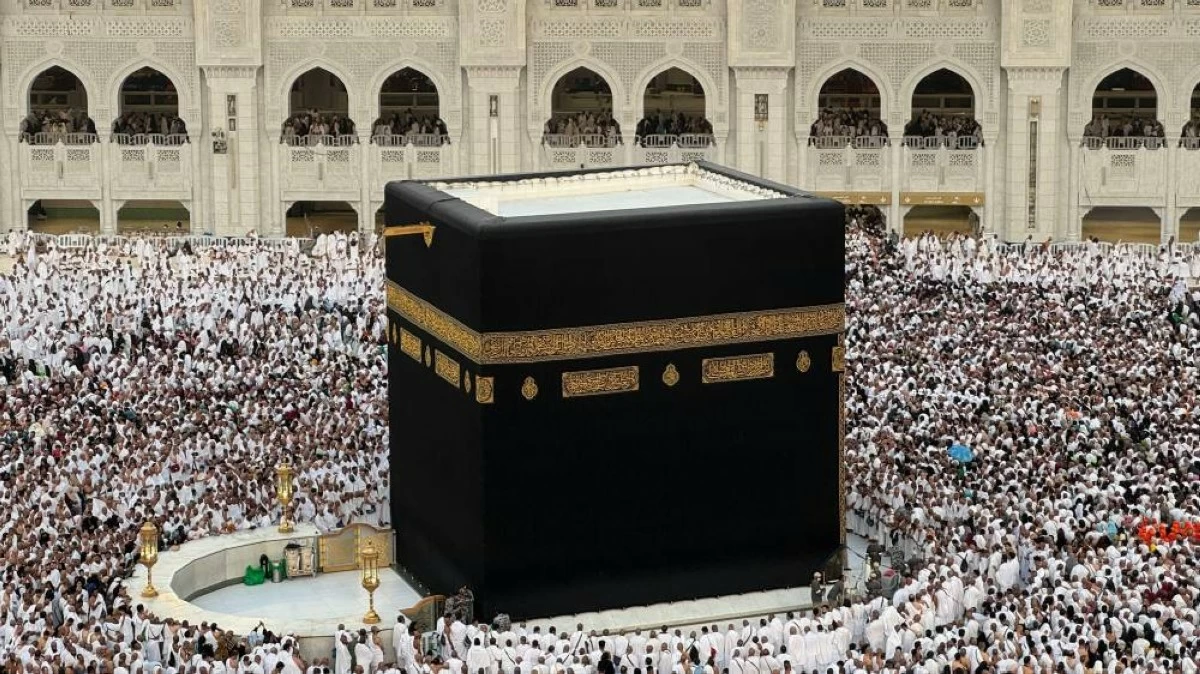
In a month’s time, millions of Muslims around the world will head to Mecca, Saudi Arabia, for Haj.
This means preparations are in full swing, and for UAE residents who are planning the annual pilgrimage, it’s vital that they acquire the mandatory vaccinations recommended by the Nusuk Haj platform, the official digital platform by the Saudi Ministry of Haj and Umrah.
We break down the health requirements, and all the vaccines you will need, before you embark on your journey.
Health requirements for Haj travellers from the UAE
According to the General Authority of Islamic Affairs, Endowments, and Zakat in the UAE, there are a number of health requirements that people should follow when planning their Haj trip. In order to ensure that your travel plans go smoothly, you will need to submit a declaration confirming you are free from diseases that prevent you from meeting the minimum physical capacity needed to perform Haj rituals.
The list of diseases includes: organ failure, neurological or psychological disorders affecting cognition, advanced dementia, pregnancy during the last trimester, and active infectious diseases such as pulmonary tuberculosis, hemorrhagic fevers, or active cancers under chemotherapy or similar treatments.
There are also a number of vaccinations that are mandatory or recommended by the authorities. Ensure that you record your doses in your international vaccination card, which is provided by the authorised health centre where you receive your innoculation.
Which vaccinations are required or recommended for Hajj pilgrims?
For pilgrims arriving from outside Saudi Arabia, the country mandates vaccinations against the following:
Meningococcal disease (Neisseria meningitis)
The meningococcal quadruple vaccine is mandatory for Haj pilgrims, and protects against four types of meningococcal diseases (meningitis A, C, W and Y). This relates to a serious bacterial infection that results in the inflammation of the meninges, which are the membranes that cover the brain and spinal cord.
Requirement: You must present a certificate of vaccination with the quadrivalent (ACYW135) vaccine.
Timing: It must be issued no less than 10 days before your arrival in Saudi Arabia.
Types accepted: According to Nusuk Haj, these are the acceptable meningococcal vaccines:
- Quadruple (ACYW) polysaccharide vaccine, with a validity period not exceeding three years since vaccination.
- Quadruple conjugate (ACYW) vaccine, with a validity period not exceeding five years since vaccination.
Dosage: Adults and children over two years old require one dose of the vaccine.
Polio
A highly infectious disease caused by the poliovirus, this disease mainly affects children under five years old.
Requirement: People arriving from regions where poliovirus is still circulating must possess a valid vaccination certificate showing they have received one dose of either the bivalent oral polio vaccine (Bopv) or inactivated polio vaccine (IPV).
Timing: The vaccine should be administered between four weeks and 12 months before entering Saudi Arabia.
Yellow fever
This mosquito-borne viral illness is prevalent in parts of Africa and South America, especially in the monsoon season.
Requirement: All adults and children above the age of nine months, from regions where yellow fever is prevalent, must show a valid vaccination certificate.
Timing: The vaccine should be administered at least 10 days before entering Saudi Arabia. It remains valid for life.
Seasonal influenza
The seasonal influenza vaccine is recommended by the UAE Ministry of Health and Prevention (MoHAP) for pregnant women, children under five years old, the elderly, and individuals with underlying health conditions. The vaccination protects against circulating flu strains and reduces the risk of severe illness.
Timing: The vaccine should be administered at least 10 days before entering Saudi Arabia.
When should I get the vaccination?
According to Dubai Health, individuals planning to perform Haj must receive specific vaccinations at least 14 days before travel to build immunity against targeted infectious diseases. Certain vaccines, like the meningococcal vaccine, must be taken no less than 10 days before entering Saudi Arabia.
Cost and location
Vaccines are available at public and private clinics, and health centres around the UAE.
Depending on where you get inoculated, Haj vaccination packages in the UAE typically range between Dh325 and Dh790, and cover both mandatory vaccinations, like the meningococcal ACYW135, and recommended vaccines such as influenza.
General health tips before travelling for Hajj
The UAE Ministry of Health and Prevention recently published a comprehensive guide titled ‘Healthy Haj’, offering tips for residents to avoid falling sick as a result of heat- and stress-related concerns during Haj. The advice is based on the anticipation of large crowds and high temperatures expected in late May, during the Haj period.
Here are some of the preventative measures and healthy habits you can focus on, ahead of the trip:
- Consult your doctor before travelling to ensure you are in good health.
- Bring an adequate supply of prescribed medications (after consulting with your doctor).
- Include a detailed medical report, listing your health conditions, prescribed medications and dosage.
- Receive all required vaccinations at least 14 days before travel.
- Maintain physical fitness at least three weeks before travel.
- Follow a healthy diet, and include foods that boost your immune system.
- Bring along a medical kit containing hand sanitisers, wound disinfectants, masks, bandages, pain and fever relievers, and ointments for skin irritation.
- Pack a reusable, insulated water bottle, and a light-coloured umbrella for ultra-violet (UV) protection from the sun.
- Remember your personal hygiene kit, which should include towels, a toothbrush, toothpaste, and other essentials.