Muna Busamra: Cyber fraud enters homes uninvited, media on the front lines of defence
Dubai Media Academy president urges stronger digital awareness and “smart trust” to protect individuals, families and institutions from evolving online scams
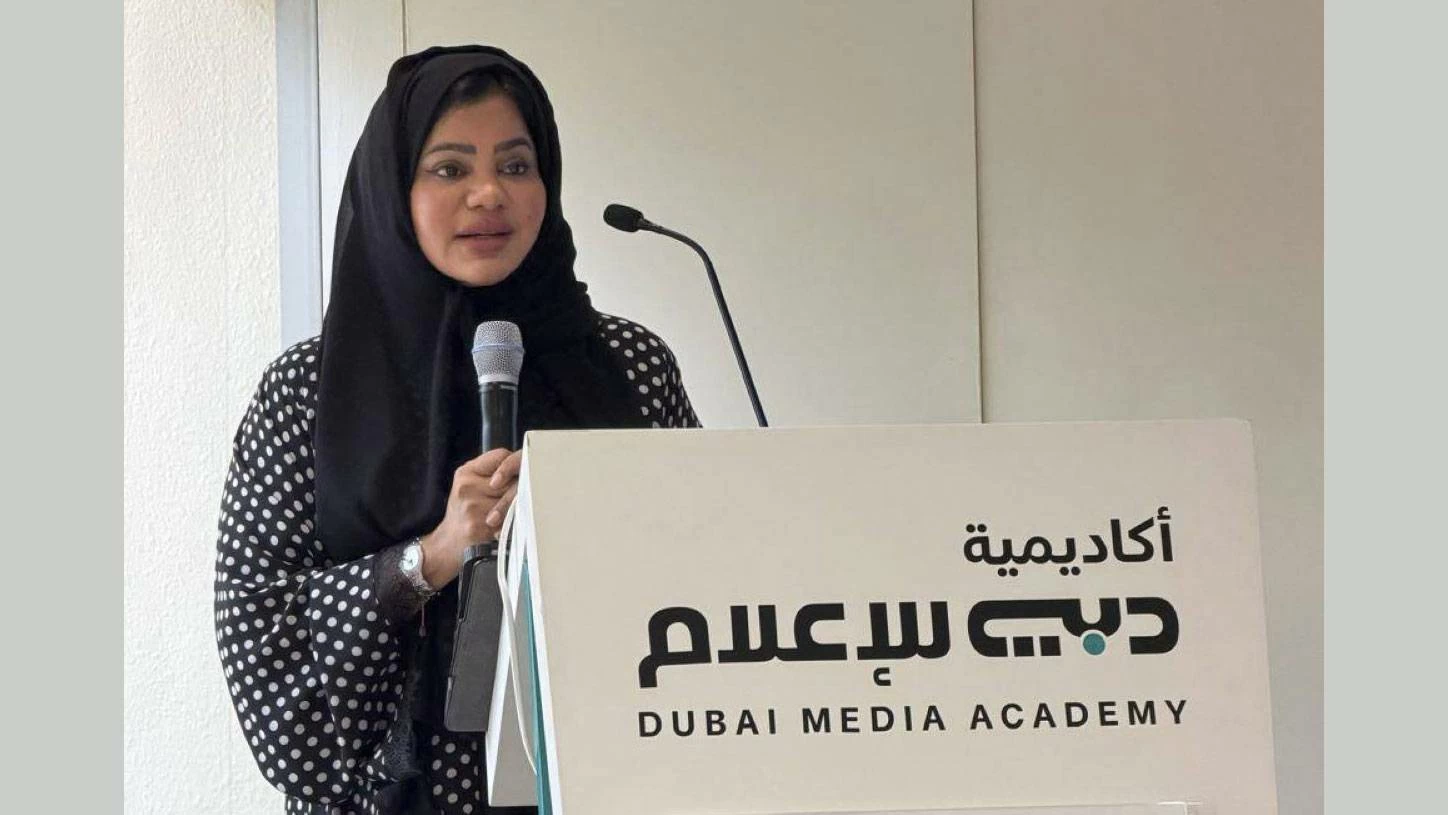
Muna Busamra, President of the Dubai Media Academy, said cyber fraud is no longer merely a technical threat targeting devices and accounts, but has evolved into a danger that infiltrates everyday life, targeting the trust of individuals and the security of families and institutions. She stressed that fraudsters no longer need to knock on doors to reach their victims, as an email, suspicious link or notification appearing to come from an official source can be enough to facilitate deception. As a result, she said, digital awareness has become a necessity for protecting society rather than a specialist technical skill.
Speaking at the “Don’t Be Deceived” forum, organised by the Dubai Media Academy in partnership with the Dubai Electronic Security Center under the theme “Aware Media... A Resilient Society”, Busamra said fraud tactics have undergone a major transformation. Fraudsters can now reach their targets through digital devices using familiar language, personal information and carefully crafted messages designed to exploit trust and urgency before victims have a chance to verify their authenticity.
She said the real challenge is no longer the possibility of encountering a fraud attempt, but how prepared individuals are to recognise and respond to it. The growing sophistication of scams, she added, requires a shift from traditional awareness efforts to a preventative culture where verifying information, links and messages becomes a daily habit.
Awareness a shield of protection
Busamra said the “Don’t Be Deceived” initiative represents a model of collaboration between technical expertise and media influence through the partnership between the Dubai Electronic Security Center and the Dubai Media Academy. The initiative combines specialist knowledge of digital threats with the ability to transform that knowledge into clear and impactful awareness messages for different segments of society.
She said technology alone cannot provide adequate protection if users lack the knowledge needed to deal with digital risks. Likewise, media campaigns cannot achieve their objectives unless they are grounded in accurate and reliable technical information. Combining both, she said, turns awareness into a protective shield that strengthens society’s ability to detect and prevent fraud attempts before harm occurs.
She added that combating cyber fraud requires moving beyond simply warning of risks to empowering people to recognise the methods used by fraudsters and understand how trust and urgency are exploited, enabling them to make informed decisions in their digital interactions.
Family in the frontline
Busamra said holding the forum during the Year of the Family underscores the importance of protecting families, which are among the primary targets of cyber fraud while also serving as the first line of defence against it. She noted that digital threats affect family members differently according to age, interests and levels of technological knowledge.
She said children may be vulnerable because of their trust in people they interact with online, while teenagers may be targeted through promises of opportunities or social acceptance. Older people, meanwhile, face different challenges as they did not grow up in the same digital environment as younger generations.
She stressed that these differences require awareness campaigns tailored to the needs of each age group, helping family members identify and respond to fraud attempts. Digital awareness, she said, should become part of family culture and daily practice rather than being limited to periodic campaigns.
Trust under attack
Busamra said media professionals and government communication officials have a vital role to play in strengthening society’s digital resilience. Their ability to reach large audiences allows them to translate complex technical warnings into simple, practical messages that are easy to understand and act upon.
She noted that public trust in media institutions is one of the most powerful tools for awareness, but also one of the key elements targeted by fraudsters, who often impersonate official entities and trusted organisations through messages designed to appear genuine.
She stressed that the media’s role should extend beyond reporting warnings and incidents to building preventative knowledge among the public by providing accurate information that helps people distinguish between legitimate and fraudulent communications.
She added that involving media professionals and government communicators in the initiative aims to equip them with the tools needed to play a more effective role in public awareness and transform specialised knowledge into accessible content that reaches all segments of society.
Promoting ‘smart trust’
The Dubai Media Academy president called for the adoption of “smart trust”, based on the principle of “verify first, then trust”, as a fundamental rule for safe interaction in the digital world. Trust, she said, should not mean responding immediately to every message, link or request, but should be built on verifying sources and confirming information before taking action.
She said the forum’s theme, “Aware Media... A Resilient Society”, reflects the relationship between informed media and society’s ability to resist deception, noting that a clear and accurate message can transform a warning into a preventative behaviour that protects individuals and families.
Busamra stressed that building smart trust does not mean fearing technology or limiting its use, but rather encouraging people to use it consciously and responsibly while benefiting from the opportunities of digital transformation without falling victim to fraud.
She said building a digitally safe society requires treating awareness as an ongoing responsibility rather than a temporary response to emerging threats. Real protection, she added, begins with an individual’s ability to identify risks and make informed decisions when dealing with online messages, information and links.
Busamra noted that Dubai, having built a smart city and advanced digital ecosystem, continues to strengthen its commitment to developing a well-informed society that can use technology safely and confidently. Security, she said, is achieved not only through technological protections but also through a culture of awareness that is renewed every day.
She concluded by stressing that creating a society that is difficult to deceive requires the combined efforts of institutions and individuals, and the integration of digital awareness into everyday behaviour at home and in the workplace, making every individual an active partner in the protection system and strengthening society’s ability to counter evolving forms of cyber fraud.