Sharjah Ruler Approves 2026’s General Budget of AED44.5 Billion
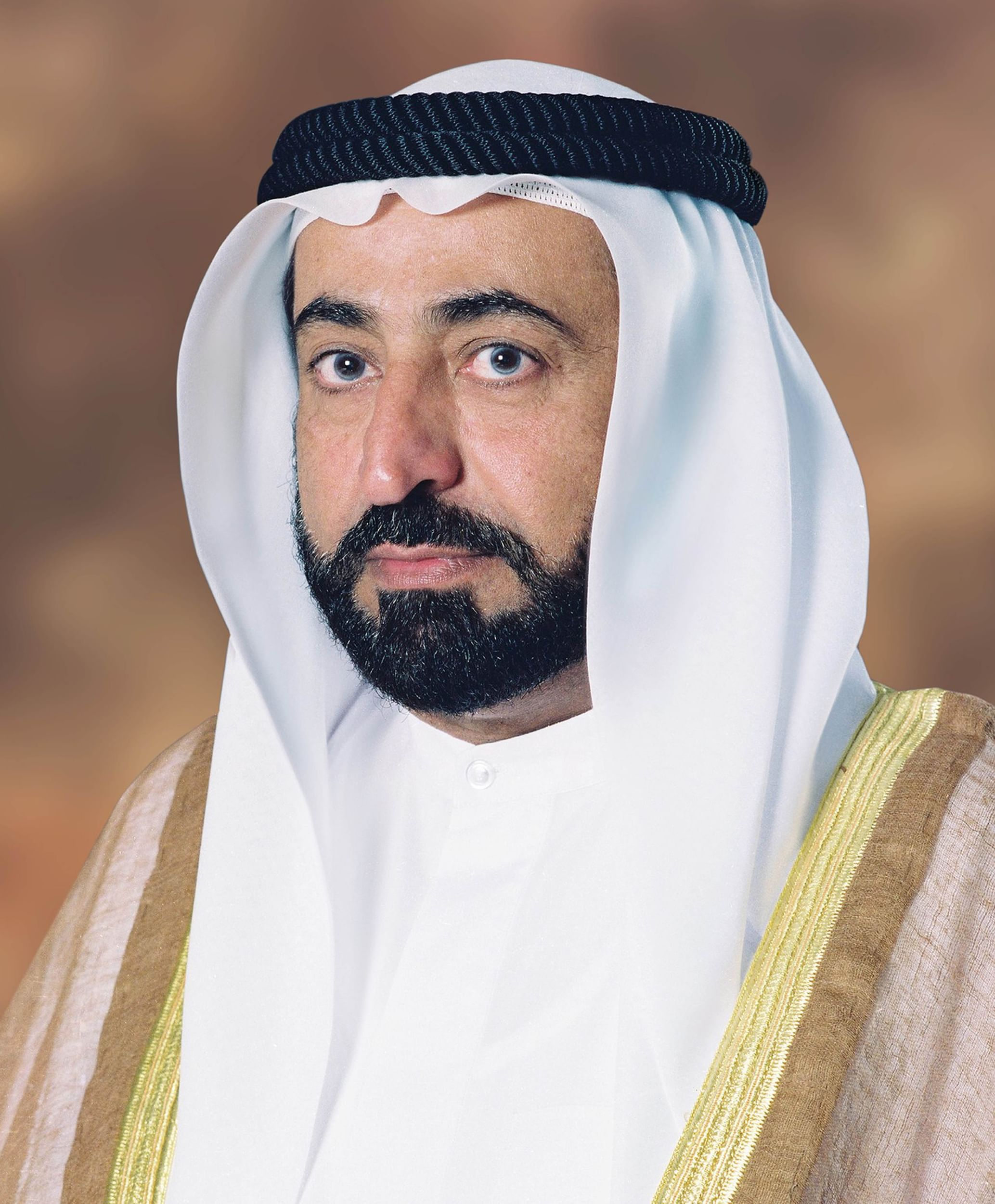
His Highness Sheikh Dr Sultan bin Mohammed Al Qasimi, Supreme Council Member and Ruler of Sharjah, has formally approved the general budget for the emirate, which encompasses total expenditures of approximately AED44.5 billion.
This budget is designed to foster financial sustainability, enhance cultural, scientific, and economic prosperity, and promote social welfare for all residents of the emirate. It also emphasises the importance of ensuring security and social safety, alongside the sustainability of energy, water, and food resources.
Additionally, the budget aims to bolster government entities' capacity to finance strategic initiatives and projects. It seeks to provide appropriate housing solutions for diverse categories of citizens throughout Sharjah and to develop a tourism infrastructure that enhances cultural, recreational, and social tourism. As a result, this sector will significantly contribute to the realisation of sustainable economic development.
The 2026 general budget is structured around several strategic and financial pillars, including efforts to cultivate and strengthen a premier environment across the social, cultural, health, tourism, and infrastructure sectors. The objective is to achieve indicators aligned with those of developed nations, ensuring that all residents of the emirate can benefit from the advantages of economic prosperity.
The general budget for 2026 encompasses two primary objectives: financial sustainability and economic competitiveness. Additionally, it focuses on addressing social needs, meeting employment-related needs, and strengthening the government’s capacity to develop and enhance the emirate's infrastructure. The implementation of capital projects and initiatives will continue across the various cities and regions of the emirate, which are experiencing an urban renaissance characterised by social, tourism, and cultural advancements.
Expenditures in the general budget have increased by 3% compared with the 2025 budget. The government has maintained its commitment to supporting the capital projects budget, which accounts for 35% of the overall budget, thereby ensuring the continued fulfillment of spending needs associated with these projects in 2026. Salaries and wages represent 30% of the 2026 general budget, while operating expenses account for 25%.
Furthermore, subsidies and aid account for approximately 12% of the total budget, and loan repayments and interest comprise 15% of the general budget for 2026, reflecting a 1% decrease from 2025. This framework bolsters the government's financial stability and capacity to meet its obligations. Capital expenditures are projected to account for approximately 2% of the total general budget for 2026.
Overall, the 2026 general budget is designed to support the government’s strategic and operational objectives and initiatives by reinforcing financial stability and sustainability. It aims to improve the efficiency of government spending control, address the needs of governmental agencies, and enhance their capability to meet developmental requirements while advancing the rationalisation of governmental expenditure.
Classifying the budget by economic sector is a critical tool for reflecting the government's strategic priorities. In the 2026 general budget, the infrastructure sector occupies the top position, accounting for 35% of the total budget. This allocation underscores the government's exceptional commitment to enhancing the emirate's infrastructure, which is a fundamental pillar of development, sustainability, and attracting both foreign and domestic investment across all essential sectors.
Following this, the economic development sector ranks second in relative significance, accounting for approximately 30% of the 2026 general budget. This allocation represents a 17% increase from the previous year's budget. The social development sector ranks third, accounting for approximately 23% of the total general budget for 2026, up 6% from the 2025 budget. These figures reflect the government's focus on both economic and social dimensions in the 2026 general budget. Additionally, the government administration, security, and safety sector constitutes about 12% of the total general budget for 2026, reflecting a 16% increase from the 2025 budget. This enhancement underscores the government's emphasis on strengthening security and the administrative and technical capabilities of its institutions.
Regarding government revenues, the government has focused exceptionally on expanding these revenues, improving collection efficiency, and developing smart, technological tools and methods to support this approach. Analysis of public revenue trends shows that, overall, public revenues in the 2026 budget increased by 26% relative to 2025. Operating revenues accounted for 69% of the total revenue budget for 2026, up 16% from 2025, while capital revenues accounted for 10% of the budget, up 35% from 2025.
Tax revenues accounted for approximately 16% of total public revenues in 2026, up 101% from the 2025 tax revenue budget. Similarly, customs revenues accounted for 3% of the total public revenue budget in 2026, while oil and gas revenues accounted for approximately 2% of the total revenue budget for 2026.
Sheikh Mohammed bin Saud Al Qasimi, Chairman of the Sharjah Finance Department, stated that the general budget of the emirate has established a framework of strategic and financial goals and priorities, reflective of the prudent directives of His Highness the Ruler of Sharjah, as well as the overarching vision of the Executive Council and the strategic objectives of the Finance Department. These initiatives aim to achieve the highest levels of financial sustainability and efficiency in managing government financial resources, thereby enhancing the Emirate’s competitiveness across economic, social, infrastructure, cultural, and tourism sectors. Furthermore, they seek to bolster the financial resources of government entities to deliver services that meet global standards and align with the performance indicators outlined in the Government of Sharjah’s budget.
Additionally, Sheikh Mohammed bin Saud noted that the 2026 general budget includes several measures to ensure the government’s financial sustainability. The government has also embraced a comprehensive strategy, in collaboration with relevant entities within the emirate, to develop a digital transformation initiative that encompasses various financial services, including electronic payment and collection systems. This endeavour has led to the provision of superior competitive services to customers while bolstering the role of the Sharjah Digital Department in adopting best global practices related to the development of the Sharjah government’s digital transformation strategy, thereby enhancing its competitiveness both locally and internationally. Moreover, it has empowered governmental entities to re-engineer processes and streamline procedures, ultimately facilitating a significant reduction in bureaucratic inefficiencies within the government financial system of the emirate.
The Chairman of the Finance Department outlined the key dimensions of the 2026 budget, stating, “The 2026 general budget adopts a three-dimensional approach. The first dimension focuses on developing economic and social objectives and strategies to enhance the well-being and prosperity of the emirate's residents. The second dimension is strategic in nature, emphasising the enhancement of the government’s financial sustainability and its capacity to fund strategic and operational activities, initiatives, and projects. The third dimension pertains to the refinement of the government services system and the improvement of macroeconomic indicators, incorporating strategic priorities to stimulate the emirate's economy through the provision of discounts and a review of various service fees, thereby reducing the cost of doing business for customers and investors.”
Furthermore, the budget prioritises the provision of numerous developmental and social requisites to ensure the achievement of economic growth rates that will bolster Sharjah’s standing on both the regional and global economic stages. It aims to secure financial stability and enhance the emirate's competitiveness by offering high-quality financial and strategic services, while fostering an attractive environment for both local and international investors. Additionally, it seeks to cultivate a tourism landscape across various sectors, including cultural, heritage, medical, scientific, and recreational tourism. The framework will ensure that all data, indicators, and results align with international financial standards, particularly concerning inflation rates, sectoral expenditures, and other macroeconomic indicators, while also reinforcing the policies designed to control and rationalise government spending,” remarked Sheikh Mohammed bin Saud.
Sheikh Mohammed bin Saud Al Qasimi emphasised that the budget strengthens the emirate’s strategic objectives in enhancing infrastructure across vital facilities and sectors, safeguarding the environment and public health, and expanding tourism's role through various projects supervised by His Highness the Ruler of Sharjah. These initiatives have generated and are expected to continue generating significant value for the emirate as a dynamic center for tourism, science, and culture. The budget also establishes a robust investment climate, fosters investment in human resources, and increases employment opportunities, aligning with one of His Highness’s strategic priorities.
Moreover, it prioritises the provision of financial support to government entities, ensuring that all essential funding requirements are met to enhance their capacity in executing strategic and operational initiatives and projects. The budget ensures the delivery of high-quality services to citizens and residents, adhering to the highest standards and practices that promote well-being and happiness within the community. Sharjah has achieved a prominent status on the global cultural, scientific, and tourism landscape, a testament to His Highness the Ruler of Sharjah’s strategic vision and leadership in the continuous development process, positioning Sharjah as a global capital of cultural and civilizational creativity, among other accomplishments that evoke collective pride.
The 2026 budget aims to enhance government capabilities and enablers in response to global and regional challenges, including inflation, rising interest rates, economic recession, and geopolitical crises affecting nations worldwide. The government of Sharjah is strategically leveraging its financial, economic, and strategic resources to mitigate the adverse effects of these challenges on the Emirate's financial and economic conditions while safeguarding the interests of its citizens, residents, and businesses operating in the region.
The general budget encompasses a range of strategic goals, priorities, and indicators across economic, social, scientific, cultural, civilizational, tourism, and structural dimensions. The primary focus remains on the citizen, aligning with the directives of His Highness the Ruler of Sharjah, who emphasises the importance of ensuring a dignified living standard for the residents of the emirate. This will be achieved by implementing diverse projects and initiatives across multiple sectors, fostering economic and social stability, security, and safety.
The budget is designed to achieve several key objectives, notably providing employment opportunities in both the public and private sectors. It prioritises the development of skills and competencies for citizens seeking employment, aiming to enhance their integration into the workforce with distinguished entrepreneurial skills. This initiative aspires to contribute significantly to establishing the Emirate of Sharjah as a prominent platform for scientific inquiry, cultural exchange, and a distinctive tourist and economic environment, thereby strengthening its cultural, economic, and financial stature on the local, regional, and international stages.
Moreover, the budget, through its objectives and methodologies, is committed to utilising and advancing the most effective means and technologies that stimulate economic growth, development, and financial sustainability. There is also a significant emphasis on leveraging the human resources and potential of citizens, enhancing their roles in the processes of building and sustainable development, all of which the budget intends to realise during the fiscal year 2026.
The strategic direction of the government for the coming years prioritizes the enhancement of results achieved, which have enabled the Emirate of Sharjah to transition from a local and regional presence to a global and pioneering hub in various domains. These domains include scientific, cultural, heritage, social, and environmental sectors, with Sharjah achieving notable rankings in global assessments regarding cleanliness, safety, and tourism, as well as being increasingly favoured as a residence by diverse nationalities.
The budget has been formulated in accordance with a comprehensive strategic vision aligned with the government's financial plan for 2023 to 2030. The primary focus of the budget is on the control and rationalisation of expenditures in areas that do not significantly enhance competitiveness or financial sustainability. The objective is to improve the efficiency of government spending management by entities within the emirate and to bolster their capacity to finance strategic programs, activities, and plans. As a result, the 2026 budget reflects a 3% increase over the 2025 budget.
The government of Sharjah has made concerted efforts to diversify budget funding sources to ensure the financial sustainability of projects and initiatives overseen by His Highness the Ruler of Sharjah across multiple sectors, including economic, social, tourism, scientific, and infrastructure. These initiatives are executed with a high degree of professionalism and adherence to the best international standards and practices. Furthermore, a well-defined strategy has been established to incentivise government entities to enhance and develop mechanisms for controlling and rationalising government expenditures, thereby directing these funds toward areas that provide added value for the community.