Veteran tailor preserves heritage of Emirati kandura in Ras Al Khaimah, UAE
Mohammed Shafiq reflects on nearly five decades of craftsmanship and evolving traditions
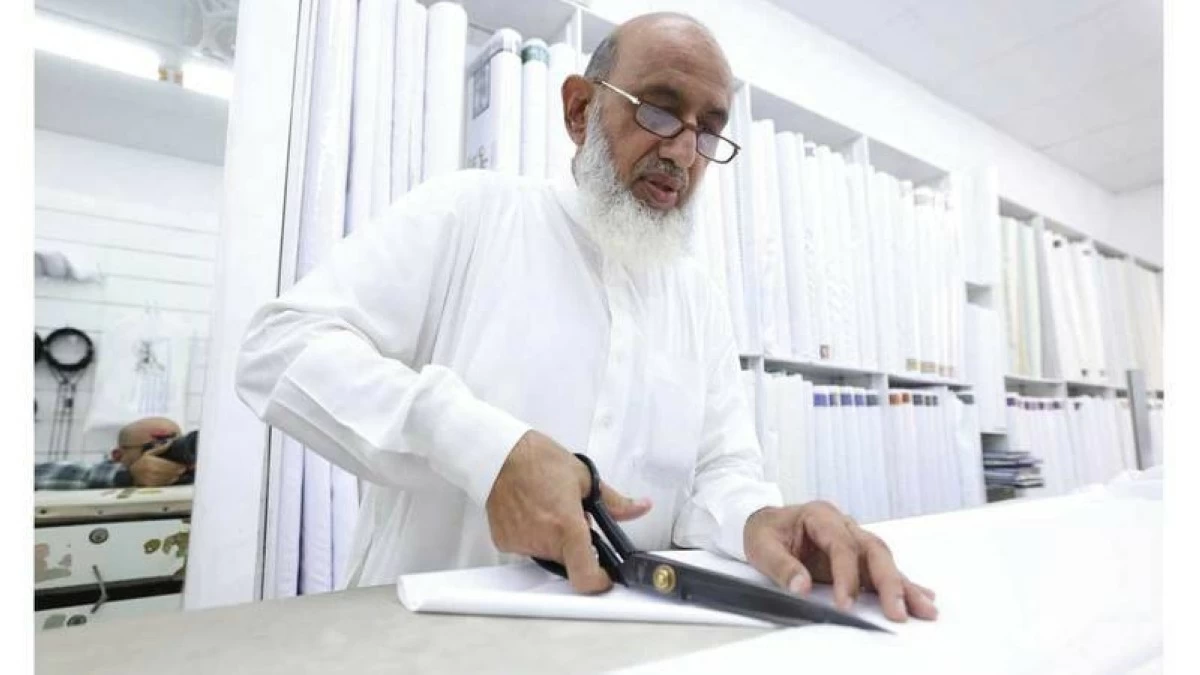
Ras Al Khaimah: For nearly half a century, Pakistani tailor Mohammed Shafiq has been closely linked with the Emirati kandura (the traditional long white robe worn by Emirati men), witnessing its evolution while preserving its authenticity and fine details across generations.
Now aged 68, Shafiq is one of the oldest tailors in Ras Al Khaimah and continues to work daily in his shop near the Ras Al Khaimah Museum, maintaining the same passion that marked the beginning of his career in 1977.
Speaking about his journey, Shafiq said he has lived a fulfilling life in the profession. “I have lived a happy life in this profession since I started working in it 49 years ago, and I still practise it today with love and passion,” he said, adding that Ras Al Khaimah has become his second home.
Evolution of a national garment
Shafiq has witnessed significant changes in the kandura over the decades, while noting that its essence remains unchanged. He recalled that tailoring a kandura once cost between AED 40 and AED 50, compared to higher prices today due to rising labour and fabric costs.
In earlier years, Japanese fabric was preferred for its quality, while today fabrics are sourced from a wider range of countries, including China and Thailand.
He explained that technological advancements have transformed the trade, allowing a single tailor to produce up to eight kanduras a day using modern machinery, compared to earlier methods that relied heavily on manual work. This has improved both efficiency and profitability.
Despite these changes, Shafiq stressed that the Emirati kandura has retained its unique appeal. “The Emirati kandura has always been distinguished by its elegance and simple design,” he said, noting that only minor changes have occurred over time, mainly in fabrics, fine details and tailoring techniques.
Balancing tradition and modernity
According to Shafiq, the success of the kandura lies in its practicality and timeless design, combining simplicity with comfort. While modern technologies have improved precision and speed, the core elements that define the garment remain intact.
He also highlighted the importance of understanding customer preferences in maintaining relevance. “The success of a tailor depends not only on technical skill but also on listening to customers and understanding their tastes,” he said, adding that this approach has helped him build a loyal client base over the years.
His customers include individuals from various professions, including teachers, university professors and military personnel, with many travelling from other emirates such as Abu Dhabi and Dubai to have their kanduras made at his shop.
A profession built on dedication
Shafiq began his career earning between AED 1,000 and AED 1,500 per month, gradually improving his income and achieving financial stability. He said the profession has enabled him to support his family and assist relatives, describing tailoring as a craft that requires patience, precision and strong interpersonal skills.
Reflecting on his long career, Shafiq emphasised the enduring cultural significance of the kandura. “The Emiratis’ connection to the kandura has not been affected by the passage of years; it has become more firmly established,” he said, noting that it remains a key symbol of social and cultural identity.
As trends evolve, Shafiq continues to play a role in preserving one of the UAE’s most recognisable traditional garments, bridging the past and present through craftsmanship and dedication.