Why one virologist traded London for a lifetime in Dubai
Dr Nishi Singh on 35 years of medicine, sarees, and finding a safe haven in Dubai
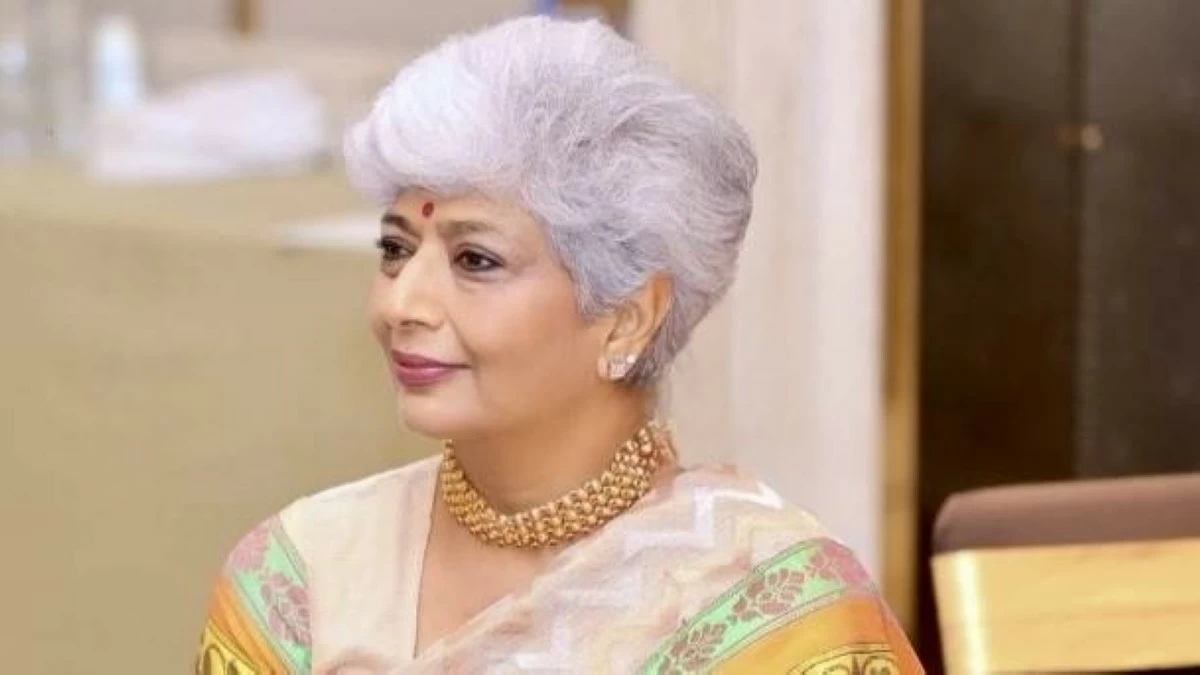
Dubai: She came, she saw, and she stayed. For Indian national Dr Nishi Singh, moving from London to Dubai in the late 1980s was a leap of faith. Thirty-five years later, she has no regrets — only praise for the city she now calls home.
The relocation wasn’t part of a master plan; it began with an unexpected invitation. “We were indeed fortunate to have been invited by the government to join the healthcare system here — an opportunity shaped by the super-specialties we had trained in during the late eighties,” she says. “By 1991, we were ready to take a leap of faith.”
It wasn't an overnight decision. “My husband made four trips, and I came once — carefully assessing the place, the facilities, and the life that awaited us — before we finally decided to take the plunge,” she recalls. What they found upon arrival made the transition surprisingly smooth. “To be greeted by a fully furnished, three-bedroom villa in the heart of town… it was a dream come true for a young family finding its footing.”
For Dr Singh, the contrast with her time in the UK was sharp. “Those intense, gruelling years of training in the heart of London on shoestring stipends” had tested her, especially as a new mother without family support. “In comparison, this new chapter felt like a breath of ease — earned, not given.”
Dubai felt smaller back then, but deeply humane. “The medical community then was small and close-knit. There were no private hospitals,” she remembers. Life moved at a pace that is hard to picture today. “Hardly any traffic — it took me a seven-minute drive across the newly constructed Maktoum Bridge to travel between Rashid and Dubai Hospital in the heart of Deira. Unimaginable in today’s traffic conditions.”
Dubai and the spirit of welcome
What stayed with her most, however, was the spirit of welcome. “Our immediate neighbors… welcomed us into their family fold with effortless warmth,” she says. “It was as if our daughter had been gifted ready-made cousins, slipping into a sense of belonging that made this new place feel like home from the very start.” That sense of community quickly expanded. “Thanks to them, we became honorary members of the Bengali community in Dubai,” she adds, describing a life of festivals and friendships that helped her family put down lasting roots.
Throughout her career, she proudly maintained her cultural identity. A saree paired with a matching bindi became her hallmark—her professional “business suit” as she navigated a high-stakes role as a young Head of Department. “The saree was no longer an effort to fit in — it was an expression of belonging,” she explains. This commitment culminated in her completing the “100 Saree Challenge” within a year, a milestone of wearing 100 different sarees to work. For Dr Nishi, it was “less about achievement and more about celebration of identity worn daily, unapologetically and with pride.”
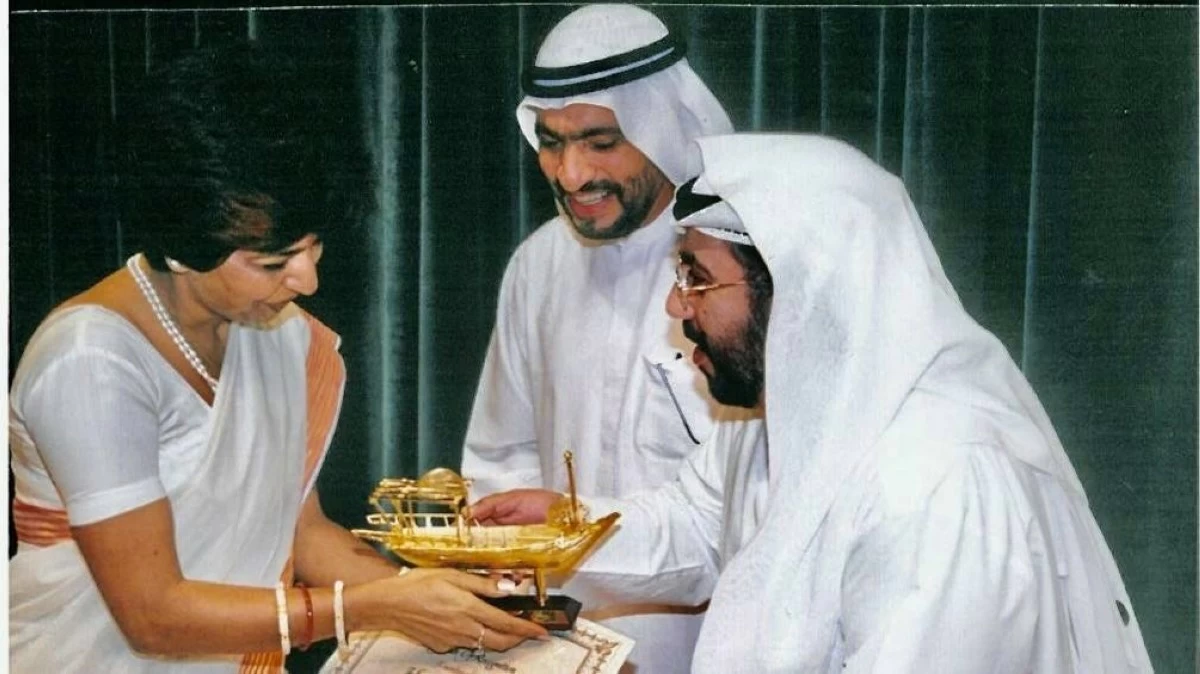
The defining feature of life in the UAE for her is its comfort and security, something that has fundamentally reshaped her instincts over three decades. “Each time I travel out of Dubai, there is a conscious mental adjustment — an awareness that I need to be more vigilant,” she notes. She deeply values “the quiet privilege of having lived in a place where one feels secure and respected as a woman in everyday life.”
Dubai and safety
That foundation of safety allowed her professional life to flourish. Tasked with building Dubai Hospital’s infection control protocols from the ground up, she navigated major outbreaks ranging from SARS to avian flu. “Those years were, in every sense, a trial by fire,” she says. She also discovered that the Emirati culture’s inherent respect for elders aligned naturally with her own Indian ethos, making integration seamless.
Professionally, Dubai demanded a lot, but it also gave her ample room to grow. Thanks to her virology training, her first role at Dubai Hospital was a leadership position. “My first role… was as Head of the Department,” she says. “It was both an honor and an immense challenge… It truly felt like being thrown into the deep end.” Infection control had to be established “from the ground up,” all while the hospital rapidly expanded “floor by floor, specialty by specialty.”
Through it all, the city felt safe, especially as she settled into family life. Her “anchor moment” came with the birth of her second daughter. “Within minutes, I was surrounded,” she says. “Within a week, it felt as though I had been gifted an extended family.” The contrast with her earlier years in London was stark: “Here, it was the opposite. Here, I was held.”
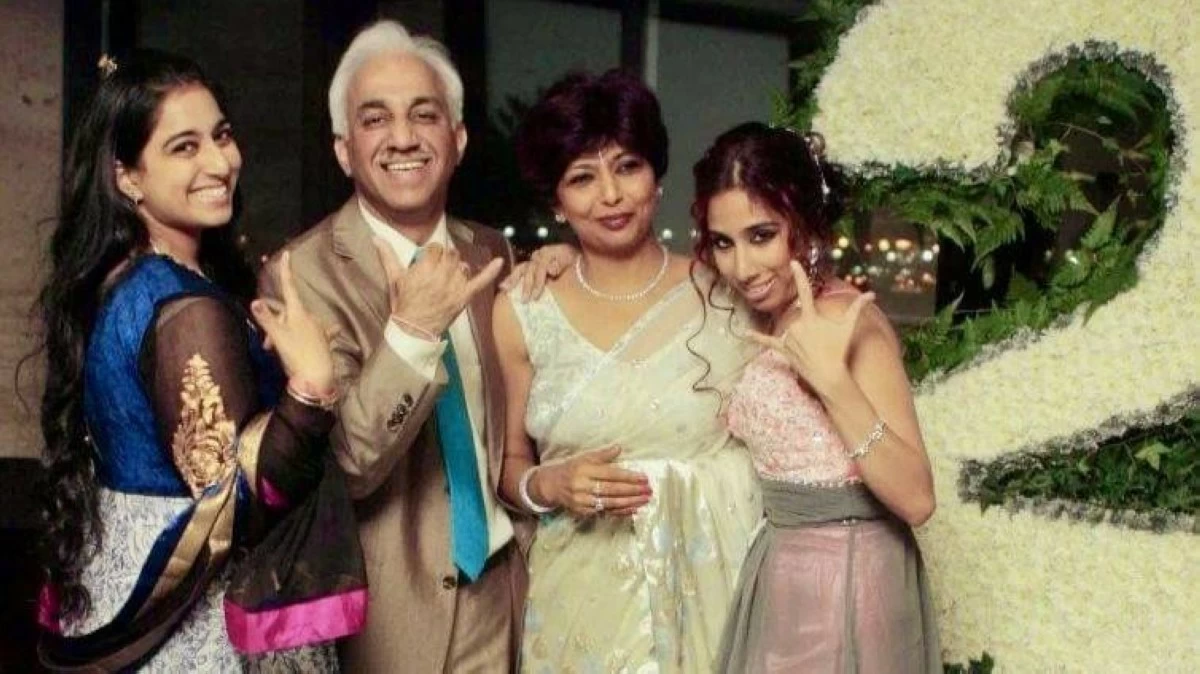
Today, she understands Dubai’s comfort most vividly by its absence when she travels elsewhere. “What stands out most is the sense of safety and security one experiences here,” she says. “Each time I travel out of Dubai, there is a conscious mental adjustment.” And that, more than anything else, explains why she stayed.