Canada Digital Safety Bill bans social media for under-16s, regulates AI chatbots
Companies could face penalties of 3% of global revenue or up to C$10 million ($7.2 million), whichever is more, for failing to comply.
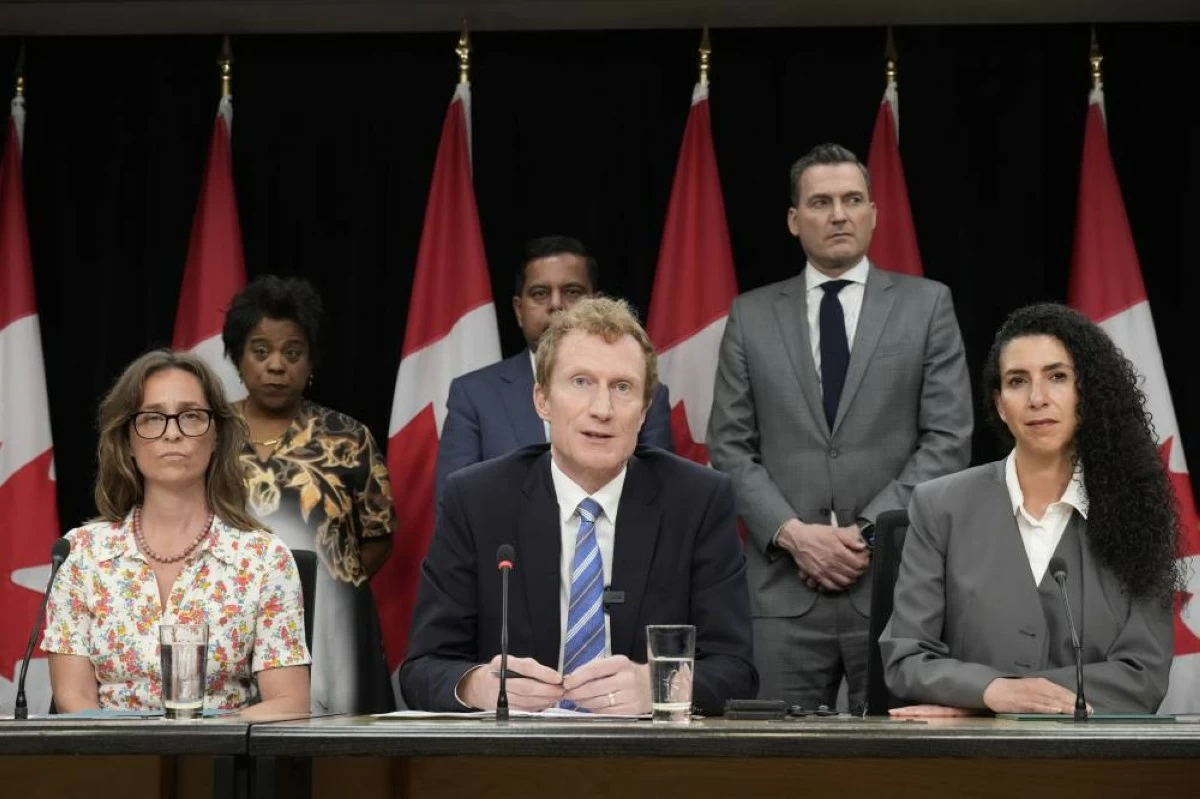
OTTAWA: The Canadian government introduced a digital safety bill on Wednesday that would ban social media for children under 16 with exemptions for platforms that meet certain safety standards, months after Australia enacted the world's first social media ban for young people. The bill also aims to make AI chatbots safer by setting up a digital regulator to establish safety standards, a government official said.
Companies could face penalties of 3% of global revenue or up to C$10 million ($7.2 million), whichever is more, for failing to comply.
"Social media platforms and AI chatbots are designed to capture attention. They do not support healthy childhood development and have become a source of anxiety, isolation, depression and a range of other mental health challenges for many young Canadians," said Marc Miller, minister of Canadian identity and culture.
"This legislation will provide a safer environment for young Canadians and empower them to connect in-person, build friendships, focus in school, and learn real-world skills so they can thrive.” The bill's introduction in Parliament comes weeks after families affected by one of the country's worst mass shootings sued OpenAI, alleging that the company knew the alleged killer was planning the attack on ChatGPT but did not warn police.
OpenAI did not immediately respond to a request for comment. In December, Australia became the world’s first country to ban social media for children under 16. A month after its law was introduced, social media companies collectively deactivated the accounts of nearly 5 million teenagers.
Government officials in a technical briefing said it could take a year for the bill to pass and 18 months to set up the digital regulator once it does. A spokesperson for Google, which owns YouTube, said the company is committed to working with the federal government to establish higher safety standards for all platforms, so parents have the confidence and control to choose better, safer online experiences for their children.
A Meta spokesperson said: "Like lawmakers, we want safe, positive online experiences for young people, and we are assessing the details of the Digital Safety Act." Meta owns Facebook and Instagram.
Elon Musk's X, formerly Twitter, and Snapchat, did not respond to requests for comment. France, Denmark and Poland are also considering tightening rules around social media use for children, while Greece in April announced it would ban access to those under the age of 15 from January 2027. Canadian Prime Minister Mark Carney has a slim majority in Parliament, which is due to break for summer recess soon.
Brett Caraway, an associate professor at the University of Toronto who focuses on technology and privacy, said Canada's proposal would be more comprehensive than the Australian law.
Canada's policy "would entail a more complex set of platform obligations," he said."Its aim is a redesign of the social media ecosystem to make it safer for children, whereas Australia's law is about restricting access to the ecosystem."
"The scope is also broader since the Canadian law would tackle AI as well," he added.