World
Dutch hospital quarantines staff after hantavirus protocol breach
WHO confirms nine cases as cruise ship outbreak prompts global precautions
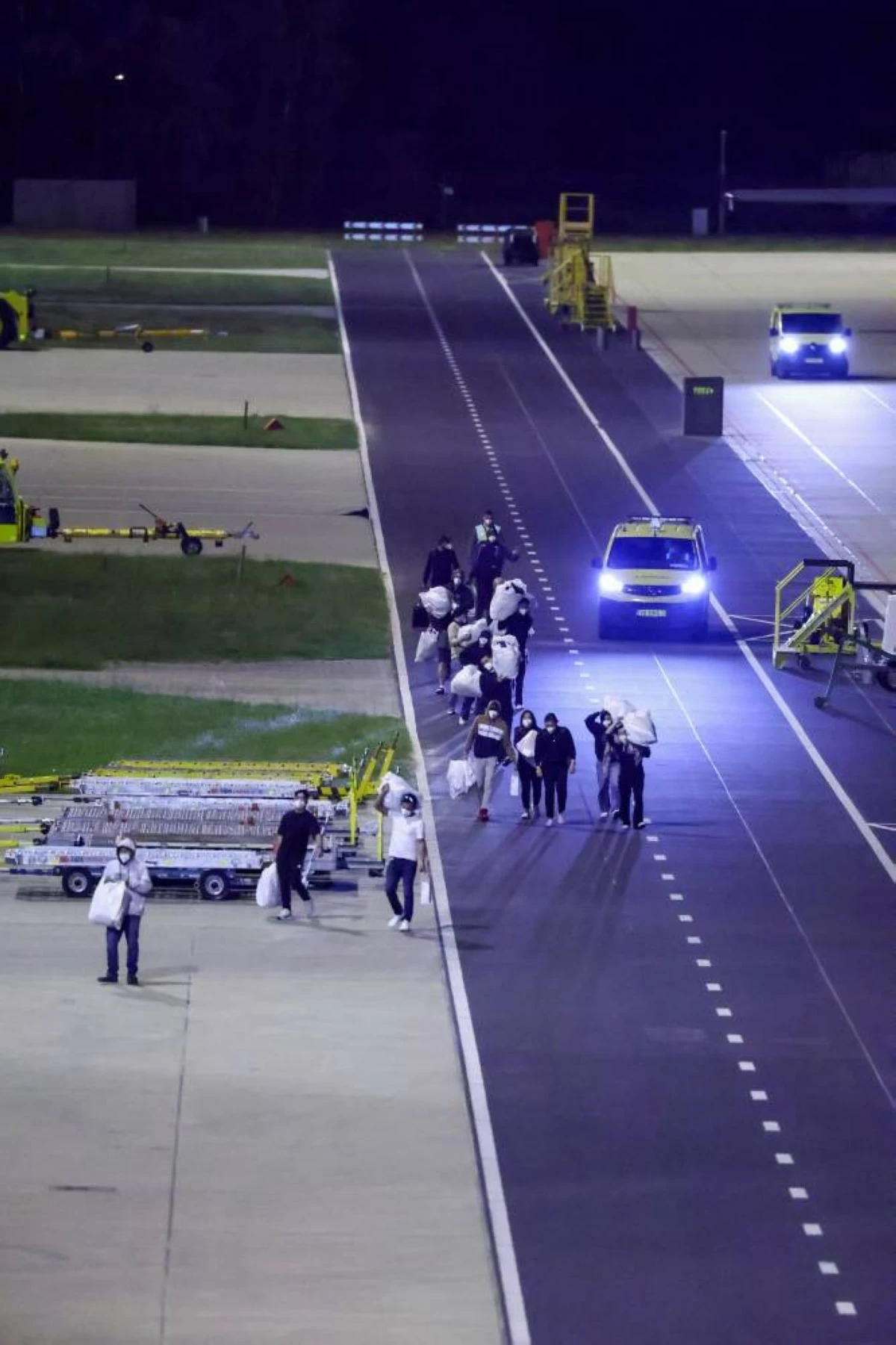
Passengers evacuated from the cruise ship MV Hondius, which was affected by a hantavirus outbreak, carry their belongings after disembarking at Eindhoven Air Base, Netherlands, May 12, 2026. REUTERS
Amsterdam: A Dutch hospital has quarantined 12 staff members as a precaution after blood and urine from a hantavirus patient were handled without following strict protocols.
The staff members will remain in quarantine for six weeks, Radboudumc hospital in Nijmegen said, adding that the infection risk is very low and patient care continues uninterrupted.
The World Health Organization has raised its tally of confirmed cases of the Andes strain of hantavirus to nine, up by two from the previous day. It did not identify the new cases, but the increase followed announcements of positive tests for a Spaniard and a U.S. citizen.
International health officials are working to contain the outbreak of the virus, which affected the Hondius luxury cruise ship that has now set sail for the Netherlands after discharging its final passengers in Spain’s Canary Islands.
The virus can be deadly, although authorities say it does not spread easily from person to person and therefore poses a low risk of a wider epidemic.
Radboudumc admitted the patient, a passenger from the ship, on May 7.
“We will carefully investigate the course of events to learn from this so that it can be prevented in the future,” said Bertine Lahuis, chair of the hospital’s executive board.
Hondius sets sail for Netherlands
After the last passengers disembarked in the Canary Islands, the Hondius set sail for the Netherlands late on Monday evening with 25 crew members, a doctor, and a nurse on board. It is expected to arrive by May 17, ship owner Oceanwide Expeditions said.
Two planes carrying 28 passengers and crew from the Hondius arrived in the Netherlands from the Canary Islands shortly after midnight on Tuesday. Eight are Dutch citizens, while the others will continue to their home countries, authorities said.
Three people—a Dutch couple and a German national—have died since the start of the outbreak of the virus, which is usually spread by wild rodents but can also be transmitted between people in rare cases involving close contact.
Nine confirmed cases
In addition to the nine confirmed cases, the WHO recognises two suspected cases: one person who died before being tested, and another on Tristan da Cunha, a remote South Atlantic island where testing was not available.
All suspected cases have been isolated and managed under strict medical supervision, minimising any risk of further transmission, WHO Director-General Tedros Adhanom Ghebreyesus said at a press conference in Madrid.
“At the moment, there is no sign that we are seeing the start of a larger outbreak, but of course the situation could change and, given the long incubation period of the virus, it is possible we might see more cases in the coming weeks,” he said.
Quarantined
In the latest confirmed case, Spain announced late on Monday that a Spaniard had tested positive. The patient is one of 14 individuals quarantining at a military hospital in Madrid. The patient developed a fever and breathing difficulties but is in stable condition, the Spanish Health Ministry said.
The confirmed cases also include a French passenger who tested positive after the ship docked in the Canary Islands on Sunday. French Prime Minister Sebastien Lecornu said the patient is in intensive care but in stable condition.
U.S. Department of Health and Human Services officials said on Monday that 18 passengers from the Hondius were flown back to the United States and quarantined, with one passenger who tested weakly positive now being treated in a Nebraska biocontainment unit.
Tedros thanked Spain’s Prime Minister Pedro Sanchez for allowing the Hondius to dock and disembark passengers.
Standing alongside him, Sanchez called for greater funding for international organisations.
“We need international cooperation and organisations like the WHO to be provided with the resources to carry out their work,” he said.